The Hipster Subculture: A Deep Dive into Fashion, Culture, and Lifestyle
The term “hipster” traces its origins back to the 1940s, associated with the jazz culture of the time. It referred to people who were keenly aware of the latest trends, especially in jazz music, and who adopted an alternative lifestyle that went against the mainstream norms of the day. This original hipster culture or subculture is often linked to the “hepcats” of the jazz scene.
However, pinpointing the first time the term “hipster” was used in media or television is challenging, mainly because of the evolution of media coverage and the term’s shifting meanings over the decades. The term might have appeared in various print media (magazines, newspapers) when discussing the jazz scene or countercultural movements during the 1940s and 1950s.
During the 1950s and 1960s, a period that coincides with the post-beatnik era, the term “hipster” might have been used in discussions or documentaries about contemporary culture or the beat generation, albeit less frequently compared to its presence in print media.
The modern incarnation of “hipster,” referring to a subculture that emerged in the late 1990s and 2000s, characterized by an interest in alternative music, fashion, and lifestyles, has been widely discussed across all forms of media, including television. This contemporary use of the term has been part of discussions, features, and parodies, reflecting both the subculture’s influence and the criticisms directed at it.
The band helped normalize a soft, performative, and eccentric masculinity in mainstream alt music, making it okay for men to lean into flamboyance and emotional depth—traits that would become central to eboy identity on platforms like TikTok and Instagram a decade later.
Over the decades, the hipster identity has evolved, once signifying a demographic that eschewed mainstream consumerism in favor of an alternative, indie, and often retro aesthetic. This evolution reflected broader societal shifts toward individualism and sustainability, marking the hipster subculture as a significant cultural and social phenomenon.
Hipster culture encompassed a wide array of expressions, from fashion to lifestyle choices, influencing cities worldwide—most notably Portland, Oregon, and Brooklyn’s Williamsburg, which were once considered epicenters of hipster activity.
But today, the term “hipster” has largely faded from popular use. What was once a distinct subculture has been absorbed into the mainstream or splintered into newer micro-trends. While its aesthetic and values persist in everything from coffee culture to slow fashion, few openly identify as hipsters anymore—making the label feel more like a relic of the 2000s and early 2010s than a present-day identity.
What’s a Hipster?
A “hipster” is a term used to describe someone who embraces non-mainstream or alternative culture, often associated with creativity, individuality, and a love for vintage or retro styles.
Hipsters are known for being trendsetters, often adopting obscure fashion, music, and lifestyle choices that set them apart from the mainstream. The term can be used to describe someone who favors alternative music genres, independent films, artisanal foods, and vintage clothing.
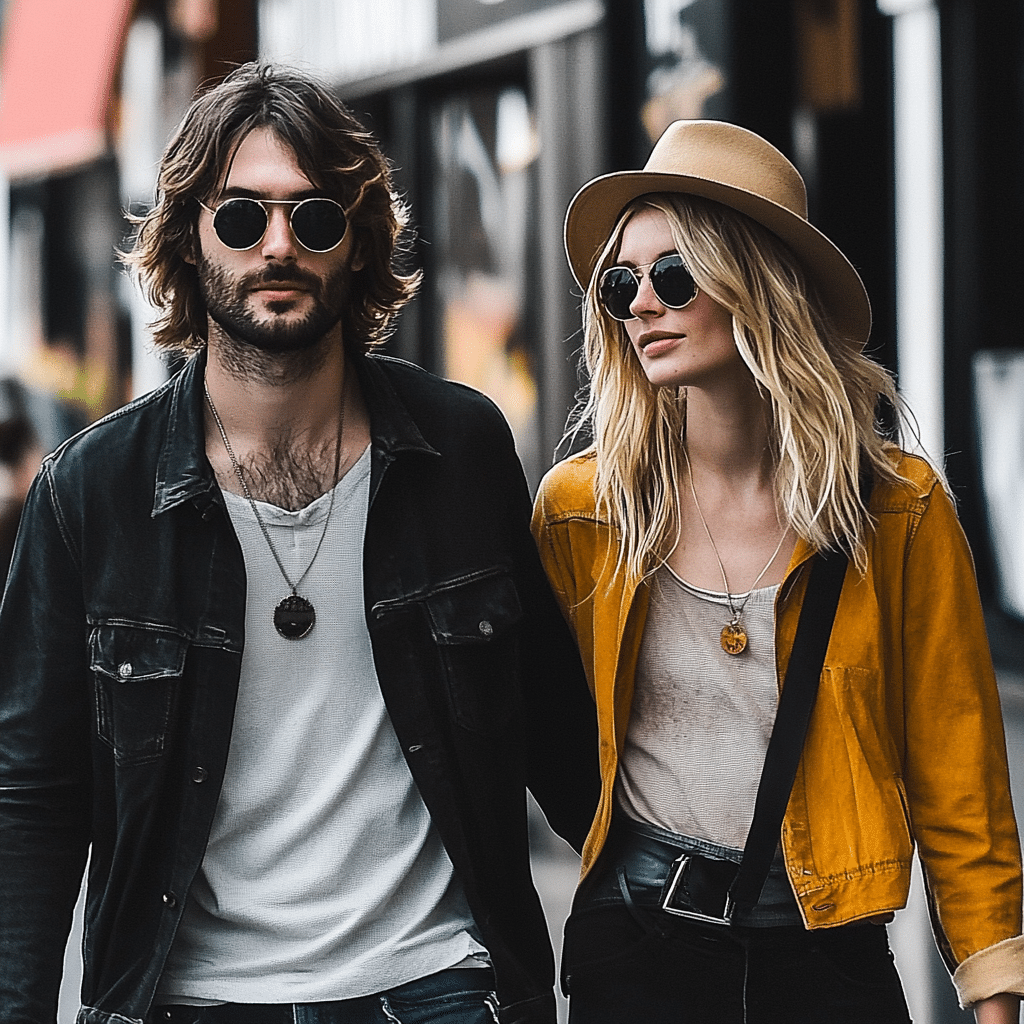
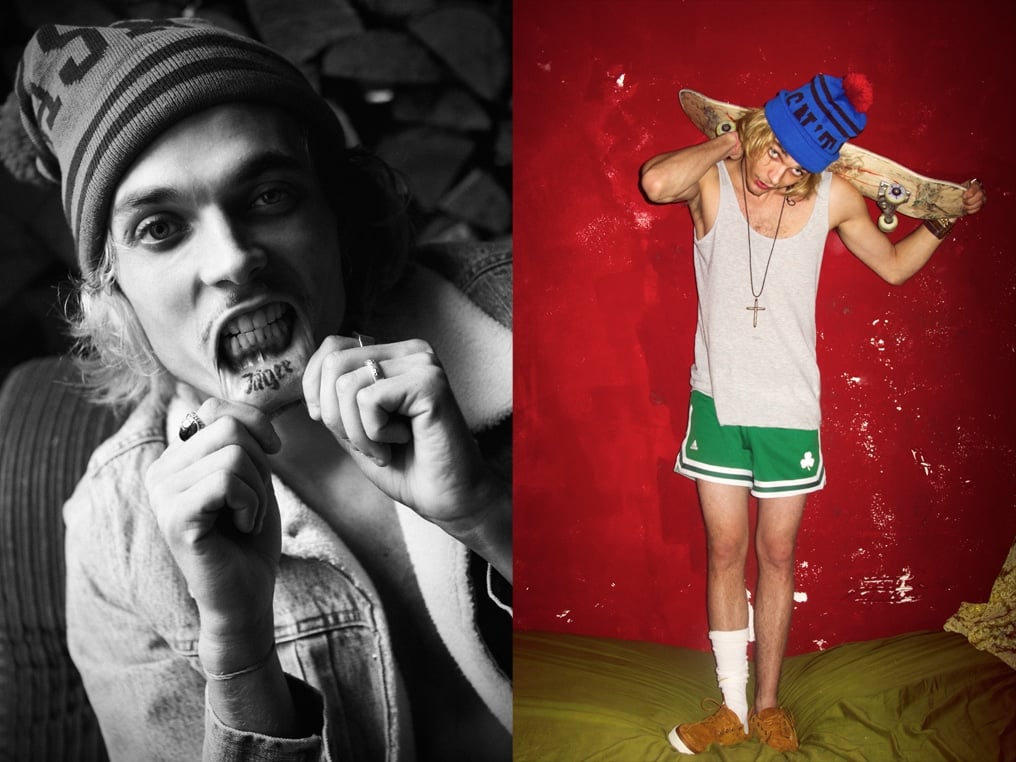
They also tend to gravitate toward more eco-conscious and sustainable living practices. The “hipster” look might include things like oversized glasses, beards, flannel shirts, skinny jeans, and a general appreciation for irony and nostalgia.
Flash, Sweat, and Glitter: The Rise of Foto Blog Party Culture
Long before Instagram stories and TikTok recaps, the early 2000s party scene lived and breathed through gritty, flash-heavy images posted on nightlife photoblogs like Last Night’s Party, The Cobrasnake, and Purple Diary. These sites weren’t just documenting parties—they were shaping a culture.

Armed with point-and-shoot cameras, photographers like Merlin Bronques (Last Night’s Party) and Mark Hunter (The Cobrasnake) became subcultural icons in their own right, prowling through warehouse raves, loft parties, and indie rock shows from Brooklyn to L.A. Their raw, unfiltered photos captured messy hair, smeared makeup, and spontaneous moments under the glare of a harsh flash, offering an aesthetic that was intimate, rebellious, and magnetic.
This was a time when being seen was enough. You didn’t need to be famous. You just had to look interesting, ironic, or intoxicated. These photoblogs became the unofficial yearbooks of hipster youth culture, elevating thrift store style, American Apparel basics, neon rave accessories, and smudged eyeliner into visual motifs of the era. Girls in cut-off tights and boys in skinny jeans posed with cigarettes and red Solo cups, not for likes, but because someone was pointing a camera at them—and that was enough.
What defined this subculture was its blend of rebellion and art school chic: a scene populated by scenesters, hipsters, fashion interns, dropouts, trust-fund kids, and aspiring creatives who worshipped lo-fi glamour. The aesthetic wasn’t polished—it was performatively unpolished. Sweat stains, confetti, and cheap beer on the floor only added to the authenticity.
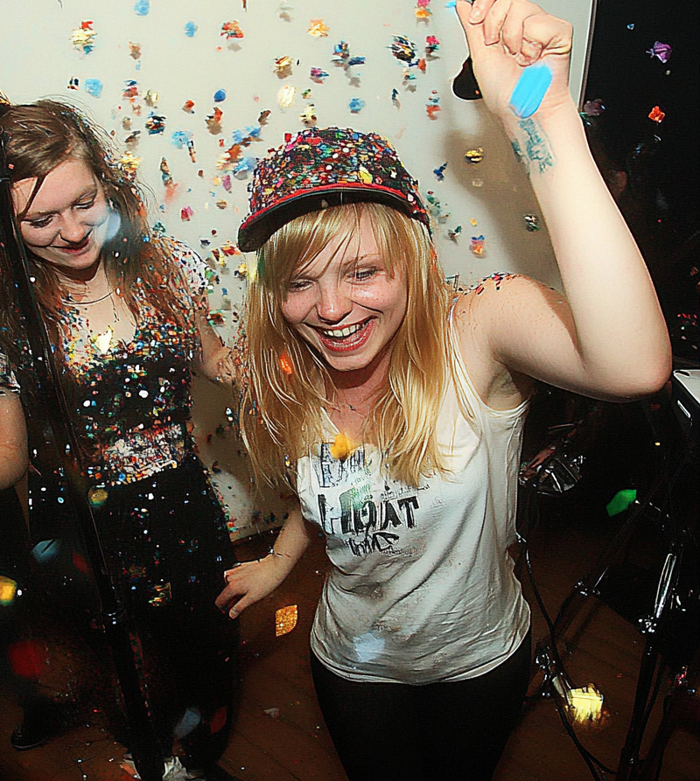
Looking back, these images were more than just documentation; they were early signals of how digital youth would soon begin curating their own mythologies online. Before influencers, there were the party kids of Williamsburg, Echo Park, and Paris—messy, magnetic, and forever caught in the unforgiving glow of a flashbulb.
2020s Hipster Culture Resurgence
There has been a resurgence of hipster subculture in recent years, though it’s evolved in subtle ways. While the original hipster movement peaked in the late 2000s and early 2010s, many elements associated with it—such as a preference for vintage aesthetics, artisanal goods, and indie music—are seeing a comeback. The resurgence is especially visible in fashion, where “retro” styles, like ’90s and early 2000s streetwear, are making a return.
This comeback can be seen in how younger generations are gravitating towards thrift shopping, sustainable fashion, and embracing nostalgic trends from past decades, like oversized clothing, plaid patterns, and graphic tees. The rise of minimalist and eco-conscious lifestyles also plays into the hipster ethos, with a focus on conscious consumption and local, independent brands.
Nowadays, the influence of social media has allowed for a new wave of “hipster” trends to spread faster. Platforms like Instagram, TikTok, and YouTube have become breeding grounds for “vintage” and “indie” aesthetics, reintroducing hipster elements to wider audiences in fresh ways.
So, while the term “hipster” itself may feel a bit dated or less commonly used, many of the core values and aesthetics of the subculture are very much alive and thriving today in both fashion and broader cultural trends.
Key Locations of the Hipster Movement
Portland, Oregon
Portland is celebrated for its pioneering artisanal coffee scene, a commitment to environmental sustainability, and extensive bike paths that promote a green, eco-friendly lifestyle. This city epitomizes the hipster ethos with its plethora of vintage shops, farm-to-table restaurants, and a vibrant arts scene, fostering a community that values creativity and sustainability.
Brooklyn-Williamsburg, New York
Williamsburg, Brooklyn, has undergone a transformation into a beacon for the hipster subculture, with indie music venues, vintage boutiques, and contemporary art galleries dotting its landscape. It’s a neighborhood where old warehouses have been converted into lofts and studios, attracting artists, musicians, and creatives drawn to its eclectic vibe and community-oriented lifestyle.
Fashion Forward: The Hipster Aesthetic
Hipster fashion is a deliberate rebellion against the mainstream, merging vintage finds with modern designer pieces to create a look that’s uniquely personal and often avant-garde. This fashion sensibility is not just about appearance; it’s a statement of values, emphasizing sustainability, ethical manufacturing, and the rejection of fast fashion.
Essential Hipster Fashion Items
- Skinny jeans and plaid shirts: A staple of the hipster wardrobe, symbolizing a blend of comfort and vintage style.
- Oversized eyeglasses: Not just a necessity for some but a fashion statement that nods to retro aesthetics.
- Vintage sneakers and leather boots: Footwear choices that combine functionality with an old-school charm.
Culture and Subculture: Beyond Mainstream Ideals
The hipster subculture is a critique of mass consumerism, advocating for a lifestyle that prioritizes authenticity, artisanal quality, and environmental sustainability. This ethos is evident in their consumption choices, from the coffee they drink to the art they consume.

Hipster Habits and Preferences
- Artisanal Products: The preference for craft beers, handmade jewelry, and organic food markets underscores a commitment to quality and supports small, local businesses.
- Social Justice: Hipsters often engage with social and environmental causes, reflecting progressive values and a desire to effect positive change.
Indie Influence: Movies and Music
The indie arts scene owes much to the hipster subculture, which champions alternative narratives and sounds, from low-budget films to indie rock and folk music. This influence highlights a discerning taste for the authentic and the innovative.
Hipster Cinematic and Musical Choices
- Movies: A preference for indie films and documentaries that challenge societal norms and explore nuanced narratives.
- Music: The hipster music palette is diverse, embracing indie rock, folk, and electronic genres, often highlighting emerging artists who bring fresh sounds and perspectives.
Defining the Hipster Lifestyle
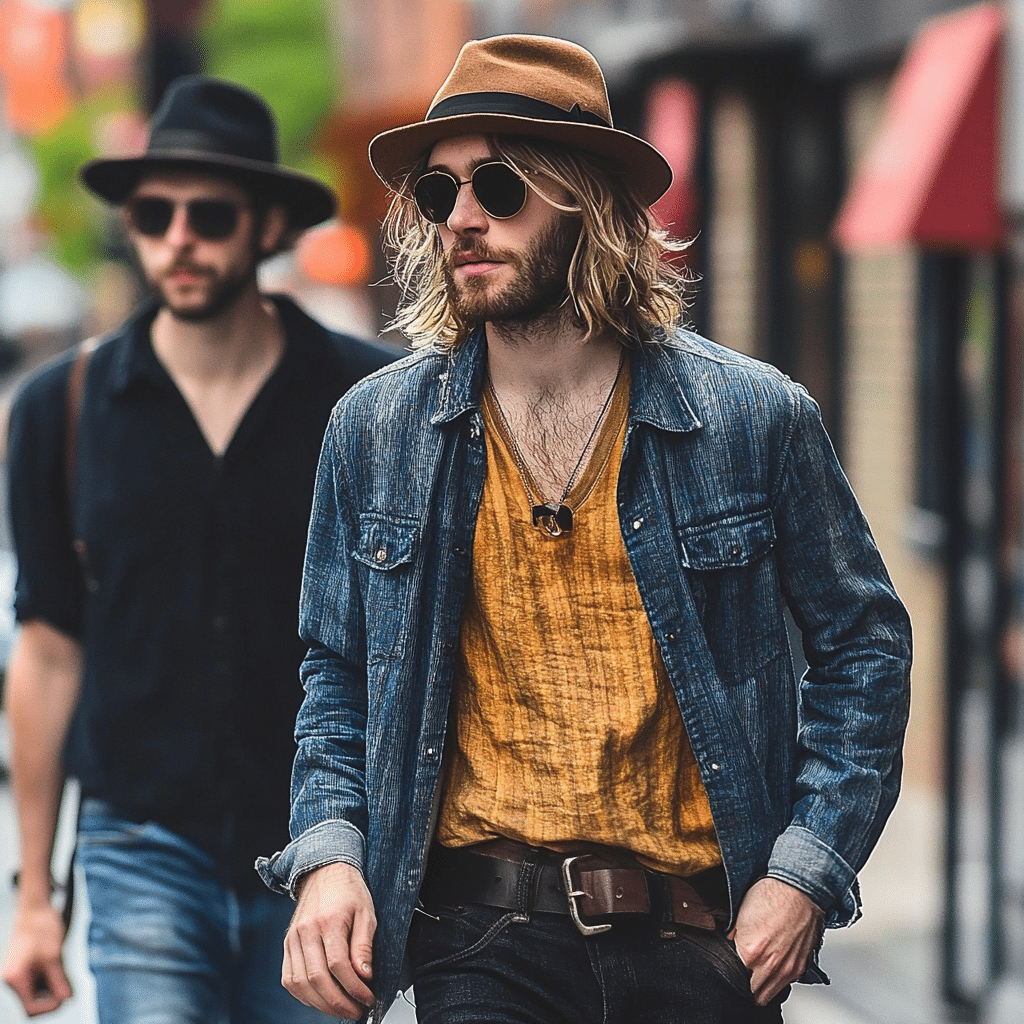
The hipster lifestyle is characterized by a conscious choice to diverge from mainstream norms, embracing sustainability, creativity, and a DIY ethos. This lifestyle extends to various aspects of daily life, from grooming to transportation and dining.
Signature Styles and Lifestyle Choices
- Hairstyles: From undercuts to man buns, hipster hairstyles often blur traditional gender norms, embracing both vintage and contemporary trends.
- Lifestyle: The embrace of cycling, organic eating, and urban gardening reflects a commitment to sustainability and a quality of life that values simplicity and authenticity.
Critiques and Contributions of Hipster Culture
Despite its positive attributes, the hipster subculture is not without its criticisms, particularly regarding its impact on urban gentrification and a perceived exclusivity in its pursuit of authenticity.
Addressing the Challenges
- Gentrification: The influx of hipsters into affordable neighborhoods often leads to increased rent and living costs, displacing long-standing communities.
- Authenticity vs. Exclusivity: The quest for authenticity can sometimes border on exclusivity, challenging the inclusive values many hipsters espouse.
The Ongoing Evolution of Hipster Culture
The hipster subculture continues to be a dynamic force in shaping fashion, culture, and lifestyle across the globe. Its impact prompts us to reflect on broader questions concerning consumerism, identity, and the role of subcultures in urban and global contexts.
Reflecting on Hipster Contributions
- Sustainability and Diversity: The lasting influence of hipster culture on promoting sustainability and diversity in local and global markets is undeniable.
- Urban Identity: Hipster subcultures have played a pivotal role in defining the cultural identity of cities, transforming neighborhoods, and fostering communities that prioritize creativity and sustainability.
Hipster Megalist Hotspots and Cultural Icons
This mega list encapsulates the hipster culture involves highlighting brands, music, movies, directors, books, and iconic figures that have resonated within this subculture. This list is designed to reflect the diversity and depth of the hipster ethos, emphasizing creativity, individuality, and an appreciation for both the vintage and the cutting-edge.
Hipster Style Brands
- American Apparel – Known for basics and sustainable practices.
- Urban Outfitters – Retailer with a mix of vintage-inspired and boho chic.
- Warby Parker – Eyewear brand with a vintage flair.
- Levi’s – Classic denim with a timeless appeal.
- Brooklyn Industries – New York-based brand with an urban edge.
- Patagonia – Outdoor apparel with a focus on sustainability.
- Dr. Martens – Iconic footwear brand favored for its rebellious spirit.
- Beardbrand – Grooming products catering to the quintessential hipster beard.
- Birkenstock – Sandals known for their comfort and sustainability.
- Etsy – Marketplace for handmade and vintage items.
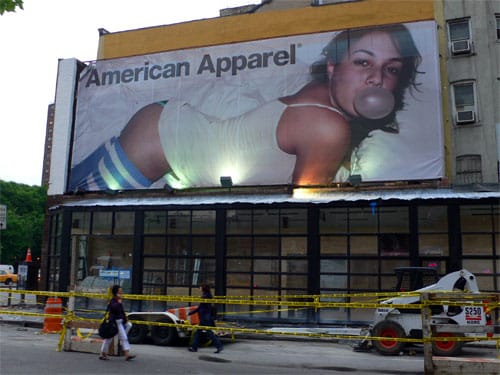
American Apparel was a key brand within the hipster subculture, especially during the 2000s and early 2010s. The brand became an icon for the hipster crowd due to its minimalist, retro-inspired designs, commitment to American-made products, and its strong ties to countercultural aesthetics.

At the height of its popularity, American Apparel’s simple yet bold clothing—like basic t-shirts, leggings, and hoodies in muted colors—perfectly aligned with the hipster ethos of rejecting mass-market trends and embracing individuality. The brand’s focus on high-quality, well-crafted basics allowed for creative, laid-back styling that resonated with young people who valued authenticity and artisanal craftsmanship over flashy logos or designer labels.
Additionally, American Apparel’s advertising campaigns often featured raw, artistic imagery that was intentionally provocative, appealing to the non-conformist attitudes of the hipster crowd. The ads, which sometimes featured models in natural, unretouched poses, embraced a raw and unpolished aesthetic that was both rebellious and unpretentious—another hallmark of the hipster movement.
Moreover, the company’s commitment to ethical manufacturing in the U.S. (though controversial at times) and its efforts to promote inclusivity in its advertising added to its appeal among hipsters, who were drawn to brands with a strong stance on social and environmental issues.
Though American Apparel faced challenges, including the resignation of its founder and a shift in fashion trends, it remains a nostalgic symbol of the hipster movement—representing an era when coolness was often synonymous with simplicity, quirkiness, and a DIY spirit.
Hipster Music
- Tame Impala – Psychedelic music with a modern twist.
- Vampire Weekend – Indie rock with unique global influences.
- Bon Iver – Introspective folk and indie music.
- Arcade Fire – Indie rock known for its anthemic quality and depth.
- The Black Keys – Blues-rock with a garage band feel.
- Sufjan Stevens – Multi-instrumentalist with a soft, melancholic tone.
- Fleet Foxes – Harmonic folk music with rich narratives.
- MGMT – Electro-indie with psychedelic undertones.
- Grizzly Bear – Experimental rock with intricate arrangements.
- LCD Soundsystem – Electronic rock with a critical acclaim.
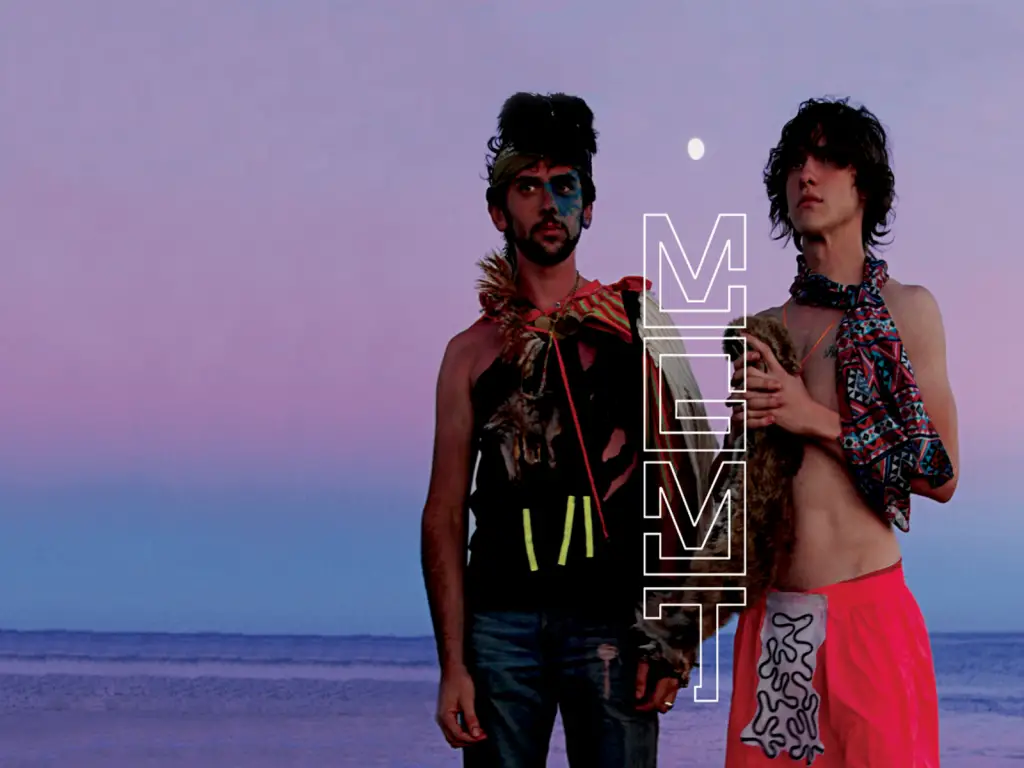
MGMT is widely considered an emblem of hipster music and style, especially during the late 2000s when their debut album Oracular Spectacular (2007) became a cult classic among indie and alternative youth. The duo—Andrew VanWyngarden and Ben Goldwasser—blended psychedelic rock, synth-pop, and experimental sounds in a way that felt both nostalgic and forward-thinking, hallmarks of the hipster ethos.
Why MGMT represents hipster culture:
- Aesthetic: Their fashion in this image—face paint, tribal-inspired prints, vintage scarves, and ironic body adornments—reflects the hipster tendency to appropriate and remix cultural symbols for artistic expression. It’s theatrical, self-aware, and purposefully unconventional.
- Music: Tracks like “Electric Feel,” “Time to Pretend,” and “Kids” epitomized the dreamy, ironic detachment that defined much of the 2000s hipster sound—emotional but not sentimental, catchy but offbeat. Their music bridged the gap between lo-fi indie rock and electronic pop, aligning with the era’s love of genre-defying creativity.
- Cultural Impact: MGMT’s rise paralleled the explosion of Tumblr aesthetics, American Apparel ads, and the Brooklyn DIY scene. They became sonic and visual icons of a subculture that celebrated weirdness, art-school sensibilities, and a rejection of mainstream polish.
In short, MGMT didn’t just make music for hipsters—they defined what hipster music and style looked and sounded like at a time when the label was still taking shape.
Hipster Movies & Directors
- Wes Anderson – Director known for his distinctive visual and narrative style.
- The Grand Budapest Hotel – A film by Wes Anderson known for its visual artistry.
- Juno – A film that blends indie music with a unique story.
- Eternal Sunshine of the Spotless Mind – Directed by Michel Gondry, a blend of science fiction and romance.
- Garden State – Directed by Zach Braff, known for its indie soundtrack.
- 500 Days of Summer – A non-linear story of romance and self-discovery.
- Quentin Tarantino – Director known for his cult classics and unique storytelling.
- Lost in Translation – Directed by Sofia Coppola, known for its emotional depth and minimalism.
- Moonrise Kingdom – Another visually unique film by Wes Anderson.
- Her – Directed by Spike Jonze, known for its futuristic love story.
Hipster Books & Icons
- “Infinite Jest” by David Foster Wallace – A complex narrative exploring various themes.
- “On the Road” by Jack Kerouac – Iconic Beat Generation novel.
- “The Catcher in the Rye” by J.D. Salinger – A classic novel of teenage rebellion.
- Patti Smith – Musician and author, known for her memoir “Just Kids”.
- Kurt Vonnegut – Author known for his satirical literary style.
- “Norwegian Wood” by Haruki Murakami – A novel blending the mundane with the mystical.
- Franz Kafka – Author known for his surreal and existential works.
- “The Bell Jar” by Sylvia Plath – A semi-autobiographical novel exploring mental health.
- Jean-Michel Basquiat – Artist known for his raw, edgy street art.
- Tavi Gevinson – Founder of Rookie Magazine, a voice for teenage girls and young women.
Hipster Cultural Icons
- Zooey Deschanel – Actress and musician known for her quirky roles.
- James Franco – Actor and artist known for his eclectic and intellectual pursuits.
- Lena Dunham – Creator and star of “Girls,” known for her candid exploration of young women’s lives.
- Alexa Chung – Fashion icon known for her vintage-inspired style.
- Ryan Gosling – Actor known for his roles in indie films as well as mainstream successes.
- Florence Welch – Lead singer of Florence and the Machine, known for her unique voice and style.
- Donald Glover – Multi-talented artist known for his work in music, comedy, and acting.
- Michele Lamy: Muse and collaborator of fashion designer Rick Owens.
- Greta Gerwig – Actress and filmmaker known for her contributions to indie cinema.
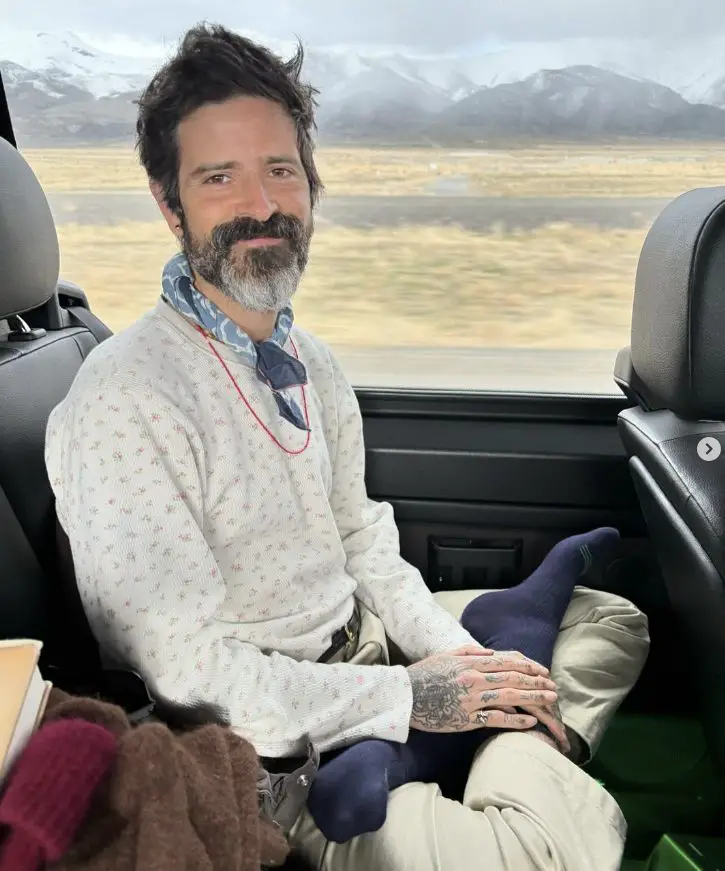
- Devendra Banhart – Musician known for his eclectic folk music.
Hipster Bars, Cafes, and Hot Spots
These venues often act as crucibles for the exchange of ideas, music, fashion, and art that define hipster aesthetics and values. Below are additional entries focusing on such locales, categorized by cities known for their vibrant hipster scenes.
Portland, Oregon
- Stumptown Coffee Roasters – Pioneers of the third-wave coffee movement.
- The Secret Society – A cozy bar with a vintage feel, offering live music.
- Doug Fir Lounge – A log cabin-inspired venue for indie music and great food.
- Powell’s City of Books – The largest independent new and used bookstore in the world.
- The Ace Hotel – A boutique hotel that doubles as a hipster hangout.
Brooklyn, New York
- Brooklyn Brewery – A leader in the craft beer movement, offering tours and tastings.
- The Wythe Hotel – A luxury hotel with stunning views and a rooftop bar.
- Beacon’s Closet – A popular spot for vintage and second-hand fashion.
- McCarren Park – A green space that hosts outdoor movies and food markets.
- Cafe Grumpy – An independent coffee shop with a focus on quality and sustainability.
Austin, Texas
- Jo’s Coffee – Famous for its Iced Turbo and outdoor graffiti wall.
- The Continental Club – A legendary venue for live music, ranging from rockabilly to swing.
- BookPeople – The largest independent bookstore in Texas, hosting frequent author events.
- Spider House Cafe and Ballroom – A quirky cafe and event space with a vibrant outdoor patio.
- Rainey Street – A row of historic homes converted into bars with unique themes and live music.
San Francisco, California
- The Mission District – Known for its murals, thrift stores, and the vibrant Dolores Park.
- Four Barrel Coffee – A minimalist coffee shop with a commitment to direct trade.
- The Independent – A live music venue hosting emerging and established indie acts.
- City Lights Bookstore – An iconic independent bookstore and publisher that became famous as a Beat Generation haven.
- Alamo Drafthouse Cinema – Offers a unique movie-going experience with food and drinks served during films.
Seattle, Washington
- Capitol Hill – A neighborhood with a concentration of coffee shops, indie bookstores, and music venues.
- Elliott Bay Book Company – A large independent bookstore with readings and signings.
- Bauhaus Strong Coffee – A coffee shop with a vast collection of books and a bohemian vibe.
- Neumos – A mid-sized music venue showcasing indie and alternative bands.
- The Pink Door – An Italian-American restaurant and bar with burlesque and trapeze entertainment.
—Edited by Fernando Lahoz-García a fashion writer and art director based in New York.
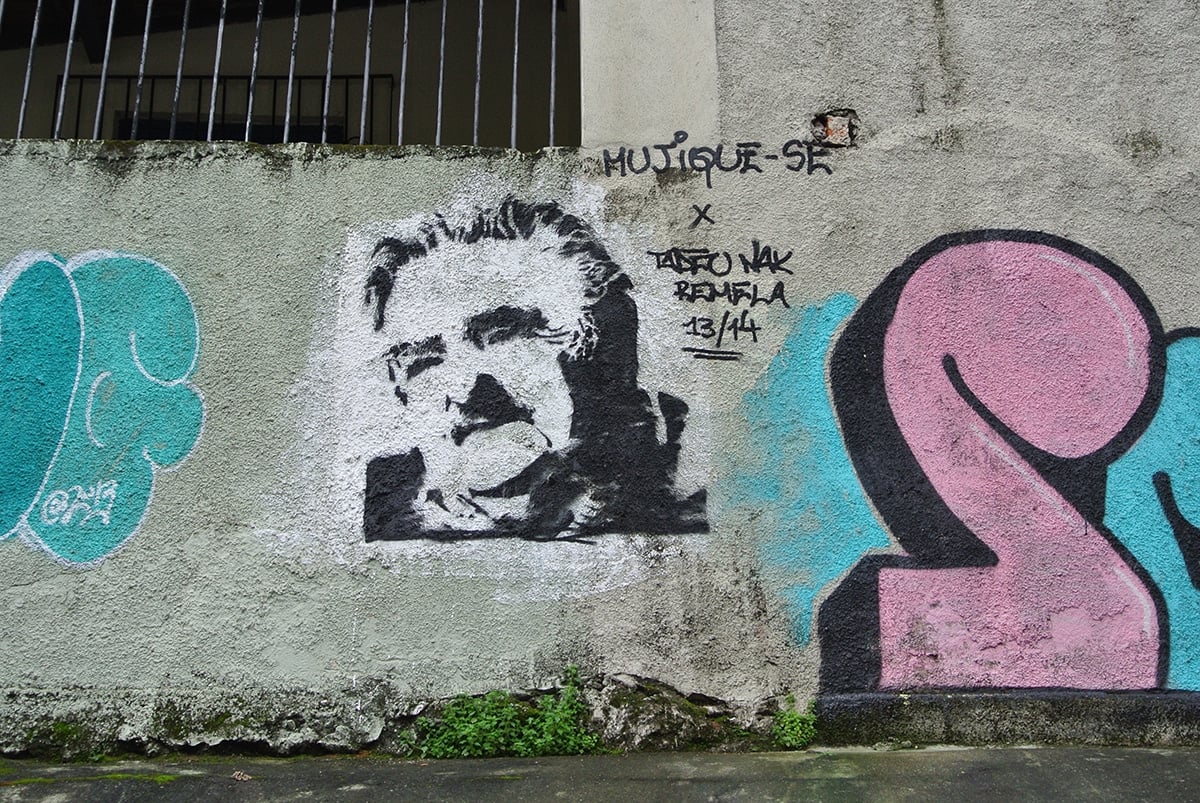
The World’s Happiest President, José Mujica
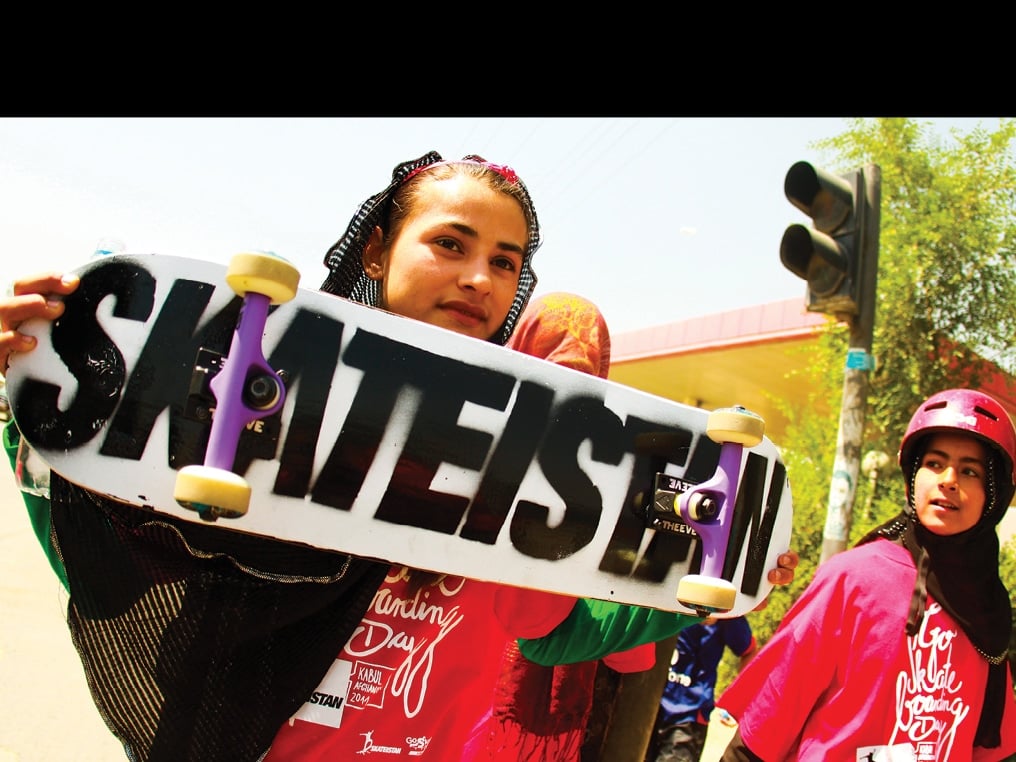
SKATEISTAN – Afghanistan’s Girl Skaters Collective is Pushing Boundaries

Art Basel Miami Beach: Leading Galleries, Big Parties
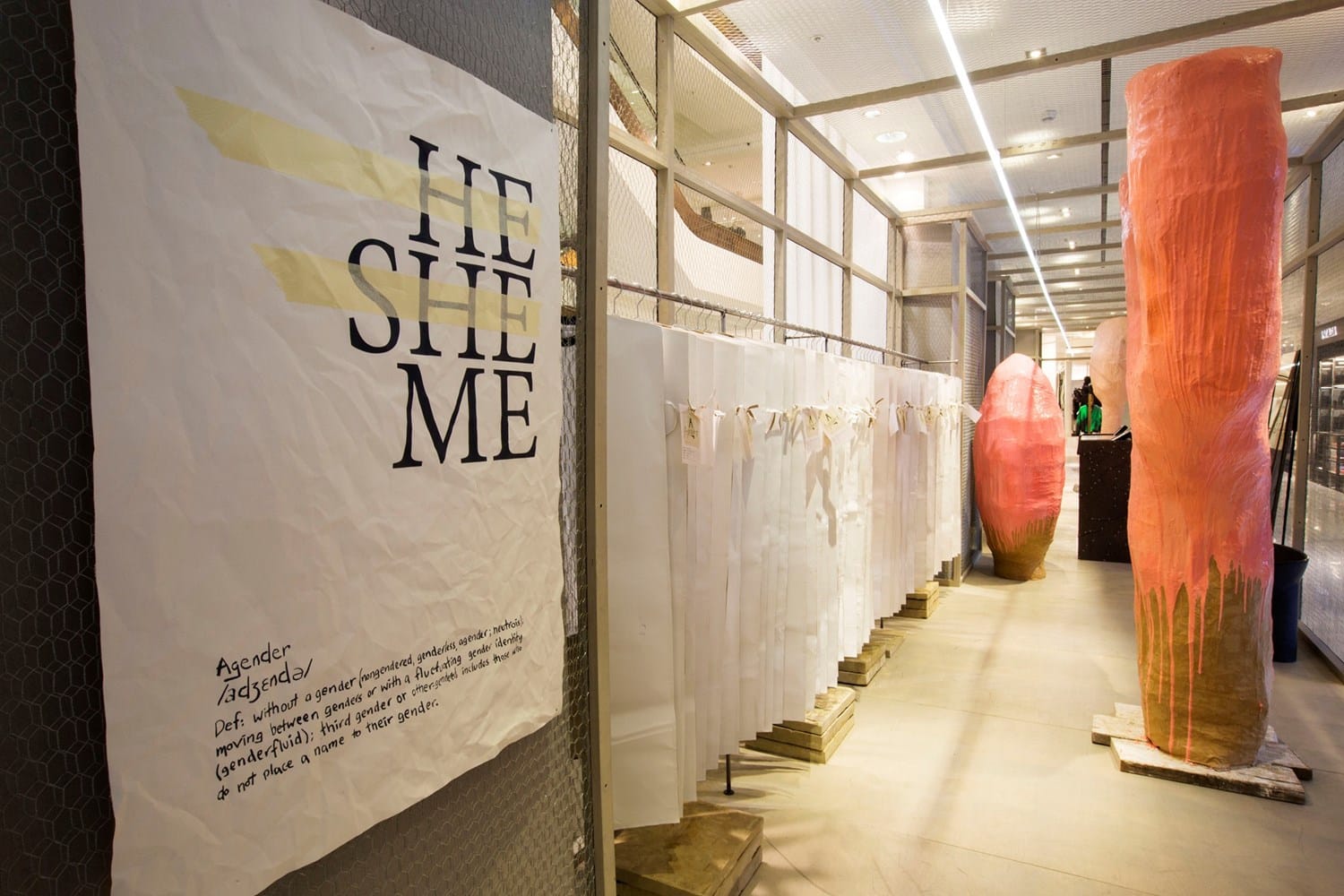
About Jaden Smith As The New Face Of Louis Vuitton And Gender-Bending Fashion
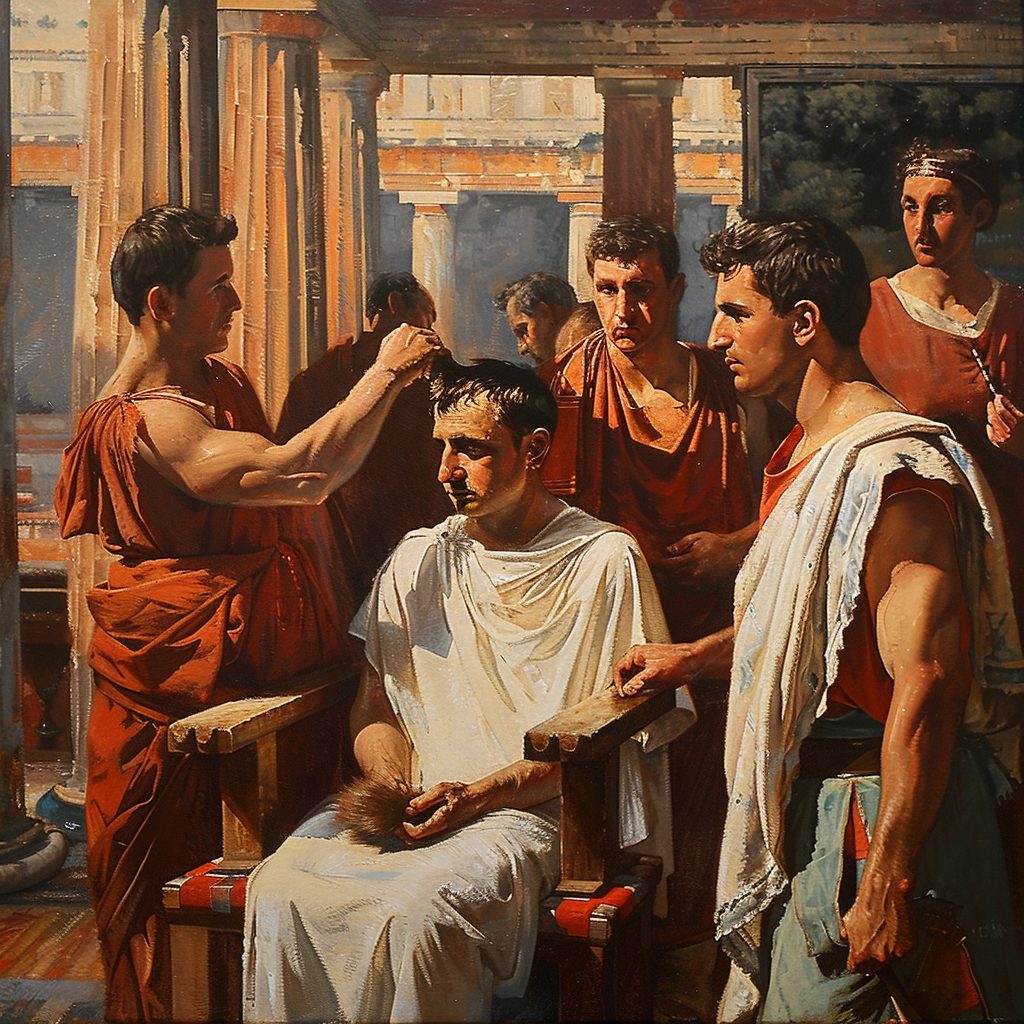
Ancient Rome Men’s Hairstyles: Timeless Trends