
When Joy Goes Quiet, Something Else Begins
British philosopher Alan Watts often suggested that when the things that once excited us stop working, it doesn’t mean we’re broken. Especially in midlife, when old motivations fade, that quiet can feel unsettling. But it may point to something deeper: a shift away from chasing constant stimulation and toward a more grounded way of experiencing life. This article is a personal reflection inspired by Watts’ thinking, and what it means when joy grows quieter but meaning begins to take its place.
Why Nothing Brings You Joy Anymore
At some point, usually somewhere after 40, something subtle happens.
Nothing breaks. Nothing collapses. There’s no dramatic event you can point to and say, that’s when it started. You just notice that life doesn’t light you up the way it used to.
The music still plays, but it doesn’t hit your chest.
Food tastes fine, but not memorable.
Trips, plans, conversations, even achievements land softly, like they’re padded.
You go through the motions and think, I should be enjoying this more.
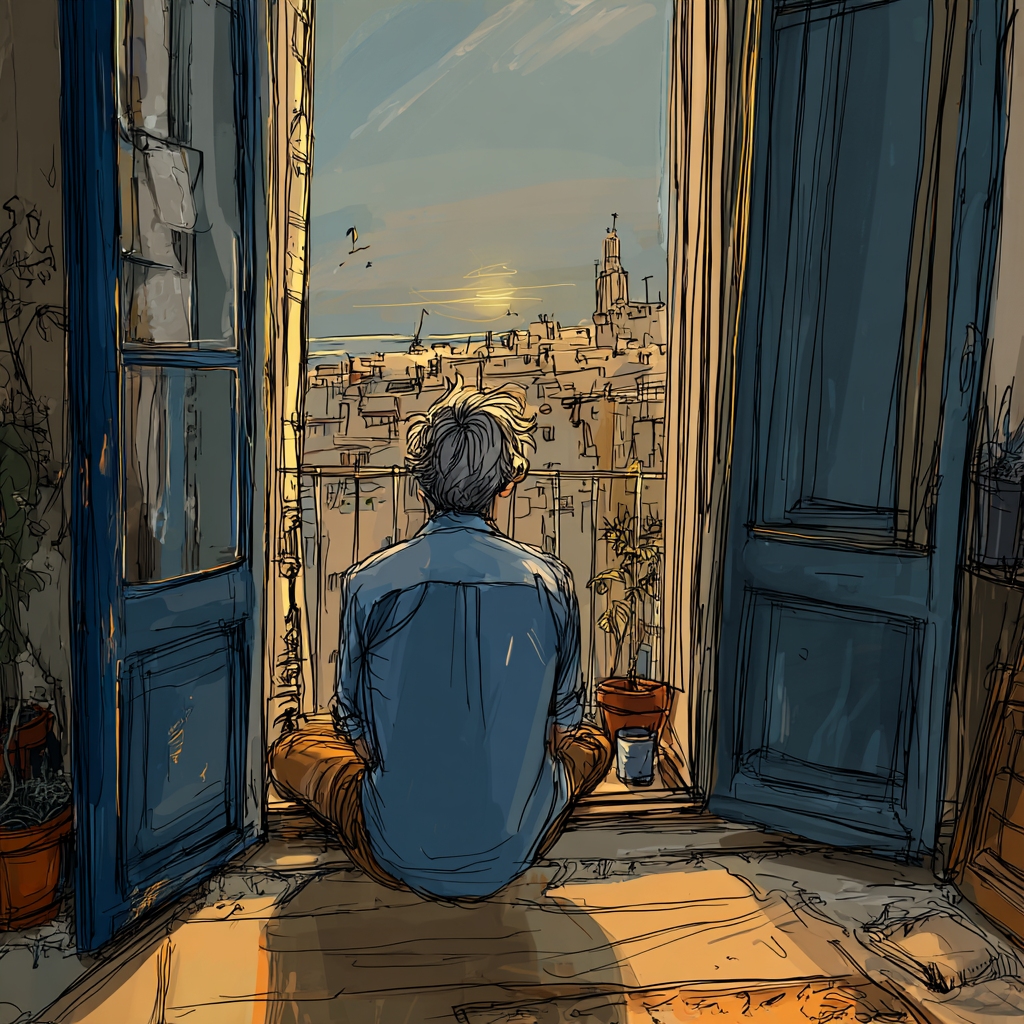
That thought is what scares you.
For a long time, I assumed this meant something was wrong with me. Burnout. Depression. Losing my edge.
I started quietly measuring myself against earlier versions of me. The one who was more driven. More excitable. More reactive to life.
The truth was harder to admit.
I wasn’t broken.
I was outgrowing something.
The Kind of Joy We’re Taught to Chase
Most of the joy we learn to recognize early in life is loud.
It comes from contrast. From relief. From tension finally releasing.
You work hard, then you relax.
You feel lonely, then you feel wanted.
You feel uncertain, then you get reassurance.
That swing creates sensation, and we call that happiness.
For years, I lived inside that rhythm without questioning it. Chase, release. Want, satisfy. Repeat. And it worked, until it didn’t.
At some point, I realized that a lot of what I thought was joy was actually just the absence of discomfort. I wasn’t feeling full. I was just feeling less empty for a moment.
Once you see that, the old pleasures don’t work the same way.
You can still do them, but the charge is gone.
And that’s when men tend to panic.
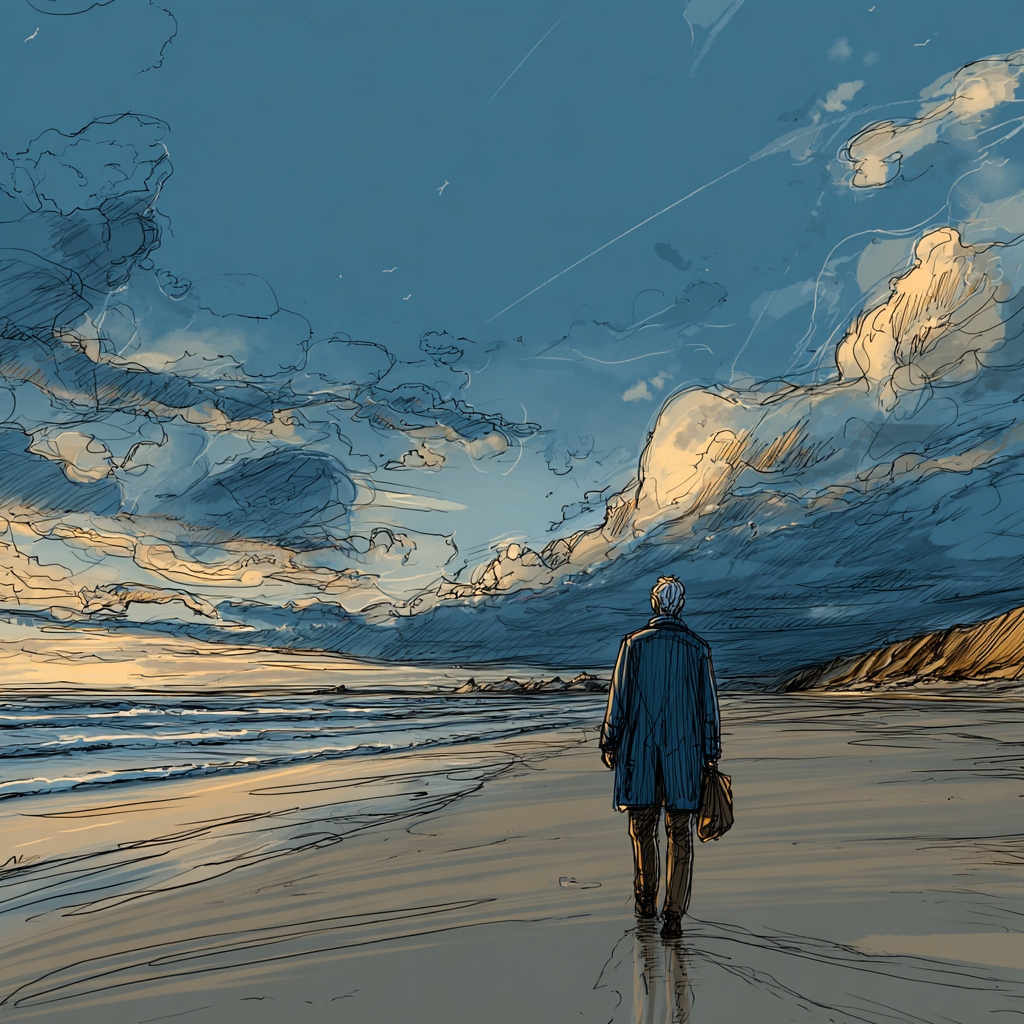
The Moment Stimulation Stops Working
When joy disappears, the instinct is to replace it with something stronger.
More intensity.
More goals.
More noise.
I tried that. New projects. New ideas. Pushing harder, staying busier, consuming more. It didn’t bring the spark back. It just made me tired.
What I didn’t realize then is that I wasn’t losing joy.
I was losing my tolerance for agitation.
And agitation had been running my life for a long time.
When that stops, what replaces it feels unfamiliar. Neutral. Flat. Almost empty.
That emptiness can feel unsettling if you’ve never learned to sit quietly with yourself.
Midlife Isn’t a Breakdown, It’s a Withdrawal
Nobody tells men this, but midlife often feels less like a crisis and more like a withdrawal.
Not from substances, but from stimulation itself.
From needing life to constantly prove itself.
From needing to feel something dramatic to feel alive.
When that necessity fades, the nervous system doesn’t immediately celebrate. It goes quiet. And quiet feels terrifying when you’ve been loud inside for decades.
I mistook that silence for numbness.
What it really was, was rest.
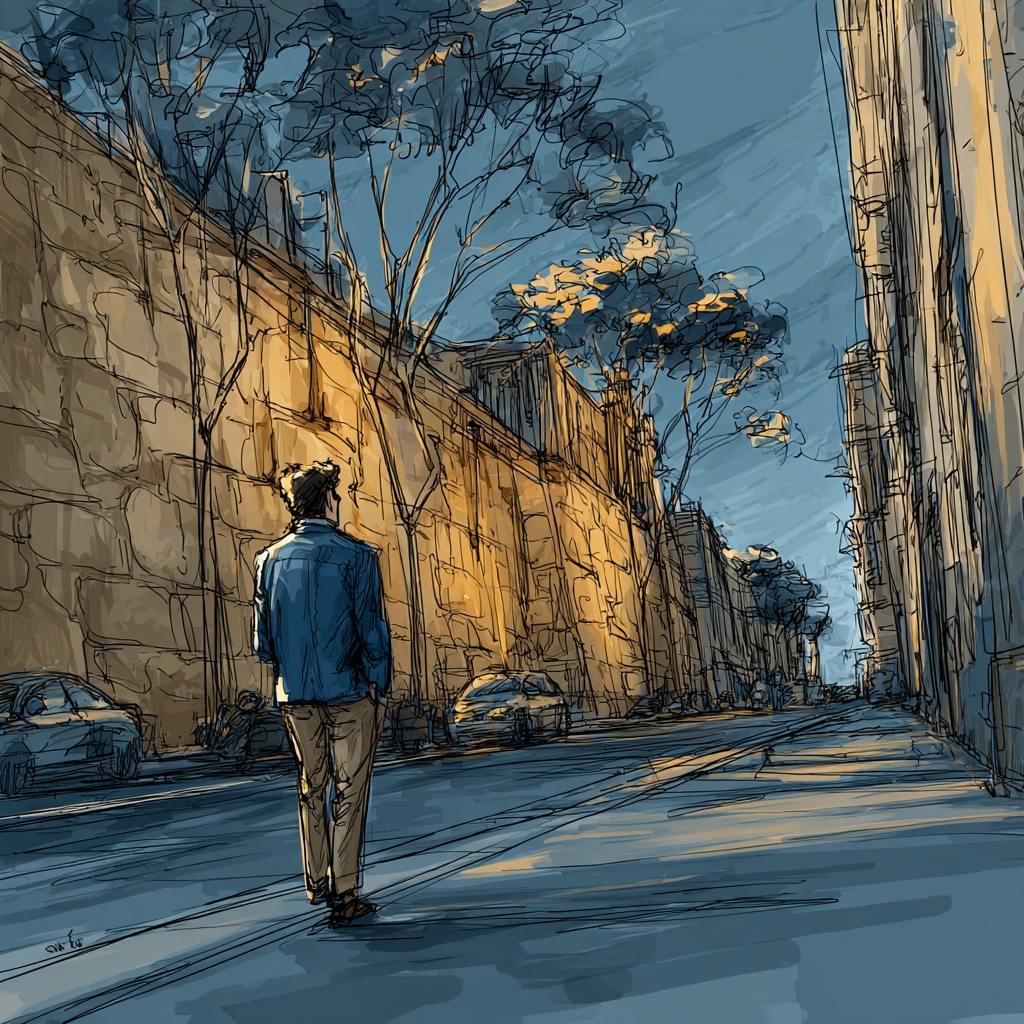
The Space Between Who You Were and Who You’re Becoming
There’s a strange in-between phase that doesn’t get much airtime.
You’re no longer entertained by the old things.
But the new way of being hasn’t revealed itself yet.
You’re not necessarily depressed.
You’re not inspired.
You’re just… here.
That space is uncomfortable because it doesn’t reward effort. You can’t hustle your way through it. You can’t optimize it.
This is the part where most men try to go backward.
I almost did.
But staying with it taught me something unexpected.
What Shows Up When You Stop Chasing Joy
When I stopped demanding that life feel exciting, something else surfaced.
Not happiness. Not bliss.
A kind of okayness.
A baseline sense that this moment didn’t need improvement to be valid. That I didn’t need to be entertained to belong in my own life.
It wasn’t dramatic. That’s why I almost missed it.
This kind of peace doesn’t announce itself. It doesn’t spike dopamine. It doesn’t come with a story you can tell at dinner.
It’s more like taking off shoes that were too tight and realizing how long you’d been uncomfortable.
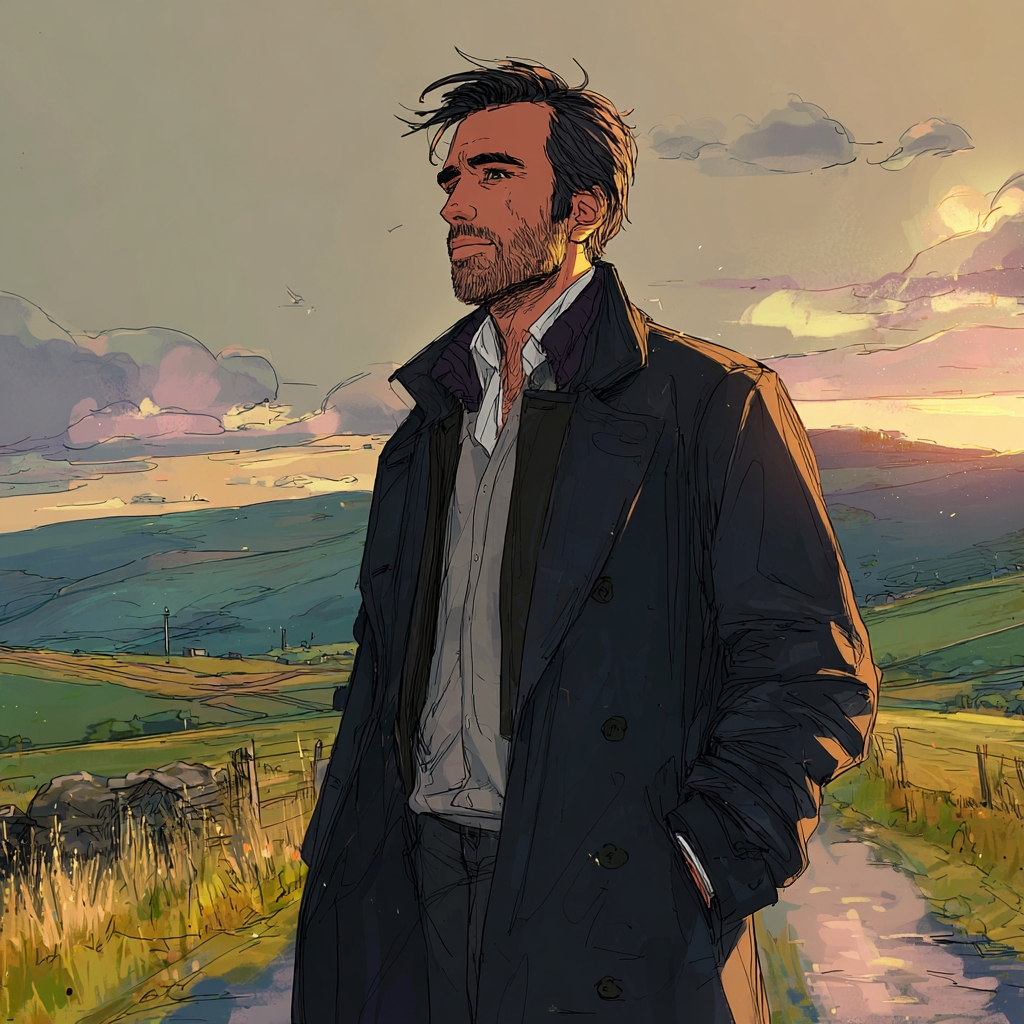
Why This Feels So Hard for Men
We’re taught early that stillness is suspicious.
That if you’re not striving, you’re stagnating.
If you’re not driven, you’re falling behind.
If you’re not chasing something, you must be settling.
So when life stops pushing back, when there’s no obvious enemy or mountain or hunger to satisfy, we don’t know who we are.
We confuse peace with boredom.
Presence with emptiness.
Contentment with complacency.
But they’re not the same.
The Quiet Grief No One Warns You About
There’s also grief here. Real grief.
Not for what you lost, but for what you thought joy would always feel like.
For the intensity.
For the highs.
For the version of you who reacted more strongly to the world.
That grief doesn’t come with tears. It shows up as restlessness. Comparison. A vague sense that something important slipped away without asking permission.
Letting that grief exist, without trying to fix it, changed everything for me.
Redefining Joy After 40
Joy doesn’t disappear in midlife.
It changes temperature.
It becomes quieter. Slower. Less performative.
It lives in moments that don’t photograph well:
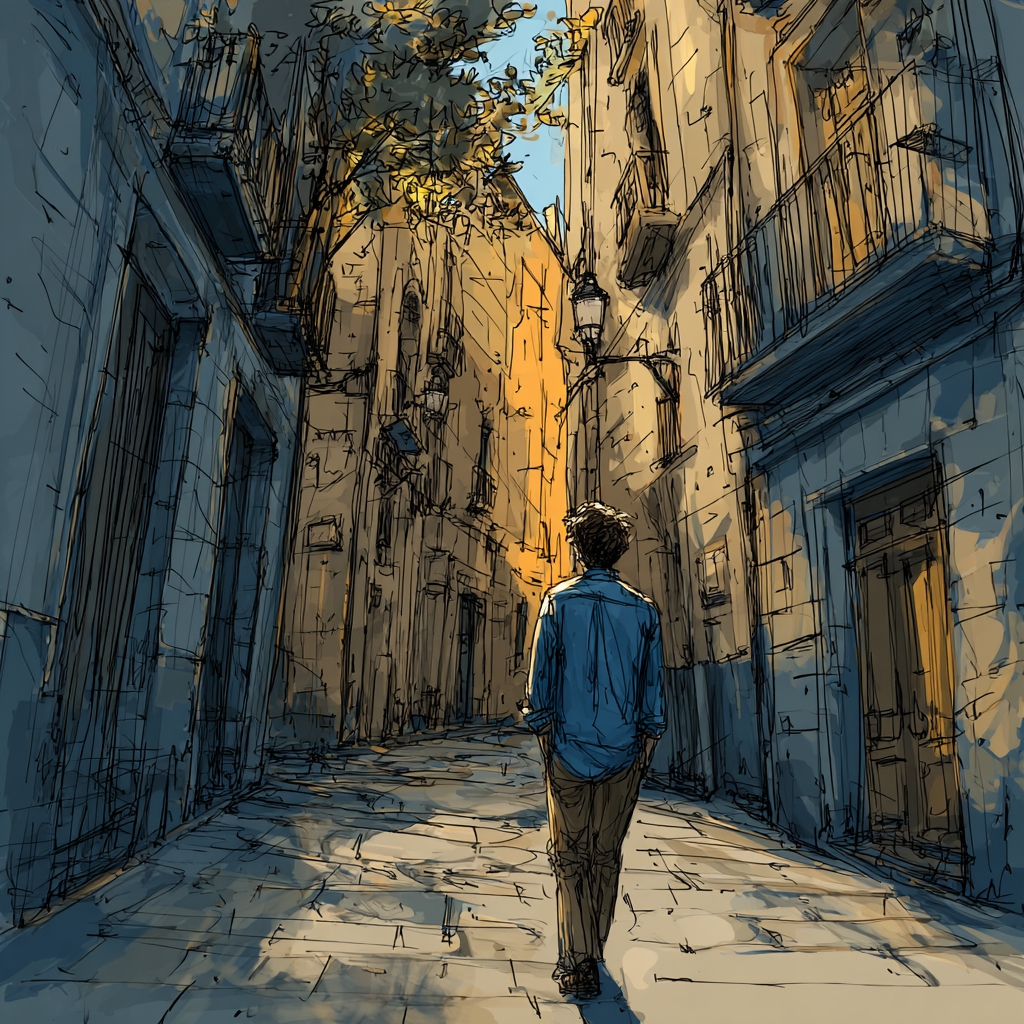
A morning without urgency.
A conversation where nothing needs to be proven.
A walk with no destination.
Doing something ordinary and not rushing through it.
This kind of joy doesn’t hit.
It settles.
And once you recognize it, you realize it was always there. You just couldn’t feel it while you were chasing something louder.
What I Do Now When Nothing Feels Exciting
I don’t try to fix it.
I brush my teeth.
I eat.
I work.
I move my body.
But I’ve stopped expecting life to entertain me.
I pay attention instead.
I notice the urge to escape and don’t always follow it. I notice the flat days and let them be flat. I don’t compare them to the past or measure them against some imagined future.
That’s not resignation.
That’s presence.
If You’re Here, You’re Not Broken
If nothing brings you joy the way it used to, it doesn’t mean you’ve lost your capacity to feel.
It might mean you’ve lost your attachment to a certain kind of feeling.
And that loss creates space.
Space to experience life without constantly scratching an itch you didn’t know you were creating. Space to live without demanding intensity as proof that things are okay.
This phase isn’t something to escape.
It’s something to move through.
Quietly. Honestly. At your own pace.
You’re Not Behind. You’re Adjusting
You might not feel excited.
You might not feel inspired.
You might feel strangely neutral.
That doesn’t mean you’re failing at life.
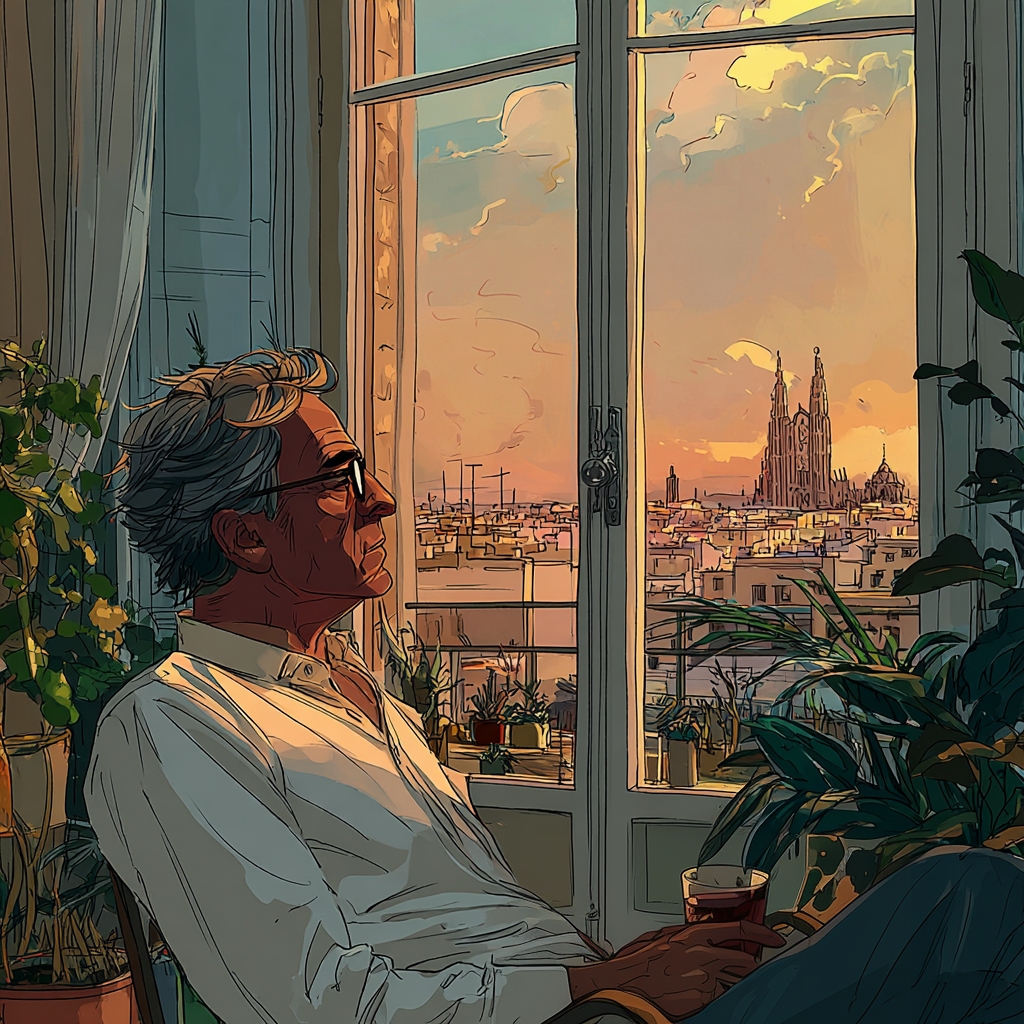
It may mean you’re learning how to stand in it without leaning on constant stimulation.
Without noise.
Without the pressure to perform or prove anything.
And that’s not emptiness.
That’s steadiness returning.
That’s your nervous system exhaling.
That’s space opening up for something more sustainable than adrenaline.
From here, a different kind of energy begins to take shape.
Not urgency, but ease.
Not ambition for ambition’s sake, but intention.
Not constant motion, but presence.
You start to notice the good that was always there.
The comfort of ordinary days.
The quiet satisfaction of doing things at your own pace.
The relief of no longer chasing a version of yourself you’ve outgrown.
This is a deeper kind of wellness.
One built on calm, clarity, and self-trust.
Not loud.
Not dramatic.
Just grounded.
And genuinely good.
—Edited by Fernando Lahoz-García, M.A. in Journalism, Complutense University of Madrid. Currently based in Florida.
This content is for educational purposes only and not intended to diagnose, treat, prevent or cure any physical, mental or emotional issue, disease or condition. If you are experiencing a mental health issue, please contact a professional.