
The Moment You Stop Seeking Approval, You Start Living
I spent most of my twenties trying to impress people I didn’t even like.
Not in obvious ways. I wasn’t boasting or name-dropping. It was quieter than that. More exhausting.
I’d edit my opinions before speaking. Soften my edges.
Laugh at jokes I didn’t find funny. Choose restaurants based on what would seem sophisticated, not what I actually wanted to eat.
I was running a constant calculation: What will make me look good here? What’s the right thing to say? How do I come across?
And the thing is, I didn’t even realize I was doing it.
The Approval You Don’t Know You’re Chasing
Most of us are seeking validation, all the time, and we’ve forgotten we’re doing it.
It starts early. As kids, we learn which behaviors get praise and which get silence or worse. We learn to shape ourselves around other people’s reactions.
Smile here. Be quiet there. Don’t be too much, but don’t be too little either.
By the time we’re adults, the need for approval is automatic. We’ve become so good at reading the room, at adjusting ourselves to fit, that we’ve lost track of what we actually think and feel.
You’re at dinner with friends. Someone asks your opinion on something.

Before you answer, there’s a split-second pause, a tiny calculation: What’s the safe answer? What makes me look thoughtful, or cool, or informed?
You’re not asking yourself what you actually believe. You’re asking how to manage the impression.
And it’s exhausting.
The Invisible Prison
I didn’t realize how much energy I was burning until I stopped.
For years, I chose work that looked impressive on paper but drained me.
I stayed in friendships that felt hollow because leaving would’ve seemed cold.
I presented versions of myself that I thought people wanted, not who I actually was.
The worst part? I thought this was just how life worked.
Everyone else seemed to be doing the same dance. Everyone was chasing approval from everyone else, trying to earn validation from people who were also seeking it.
It felt normal. It felt necessary.
But underneath it all, there was this low hum of exhaustion. This sense that I was always on, always managing, always one step away from being found out as somehow not enough.
What Happens When You Stop
Somewhere in my late thirties, something shifted.
Maybe it was fatigue. Maybe it was just getting older and caring less. But I started noticing the pattern.
I’d catch myself mid-sentence, shaping my words to sound smarter or cooler or more agreeable. And instead of just doing it automatically, I’d think: Why am I doing this?
I started experimenting. Small things at first.
Admitting when I didn’t know something instead of faking it.
Saying what I actually thought about a movie instead of parroting the consensus.
Choosing the work I genuinely wanted to do instead of what would look best.
And something unexpected happened.
Some people disappeared.
Friends who’d only liked the curated version of me drifted away.
A few reacted with confusion or disappointment. You’ve changed, they said, and not in a good way.

But others got closer.
The people who stayed, who leaned in, were different.
They appreciated the honesty. They felt like they could finally see me, and that made them feel safer being themselves.
These relationships felt lighter. Easier. I wasn’t constantly working to maintain an image.
The Fear That Keeps You Seeking Approval
Here’s what stops most people from doing this: fear.
The fear that if you stop trying to please everyone, you’ll be rejected. Cast out. Left alone.
It’s an old fear, wired deep. In our evolutionary past, being rejected by the group meant death. So disapproval feels catastrophic, even when it isn’t.
But here’s what I learned: some people not liking you isn’t the end of the world. In fact, it’s inevitable.
No matter how much you chase approval, some people won’t like you anyway. You can’t win everyone over. You’ll exhaust yourself trying.
The real question is: would you rather be liked for who you’re pretending to be, or accepted for who you actually are?
Who You Are Without the Need for Validation
When you stop seeking approval, you get to find out who you actually are.
Not who you think you should be. Not who your parents wanted you to be, or who your industry respects, or who gets likes on social media.
Who you actually are.
And that person might surprise you.
I discovered I liked things I’d been dismissing as uncool.
I had opinions that didn’t fit neatly into any camp. I wanted a life that looked nothing like what I’d been aiming for.
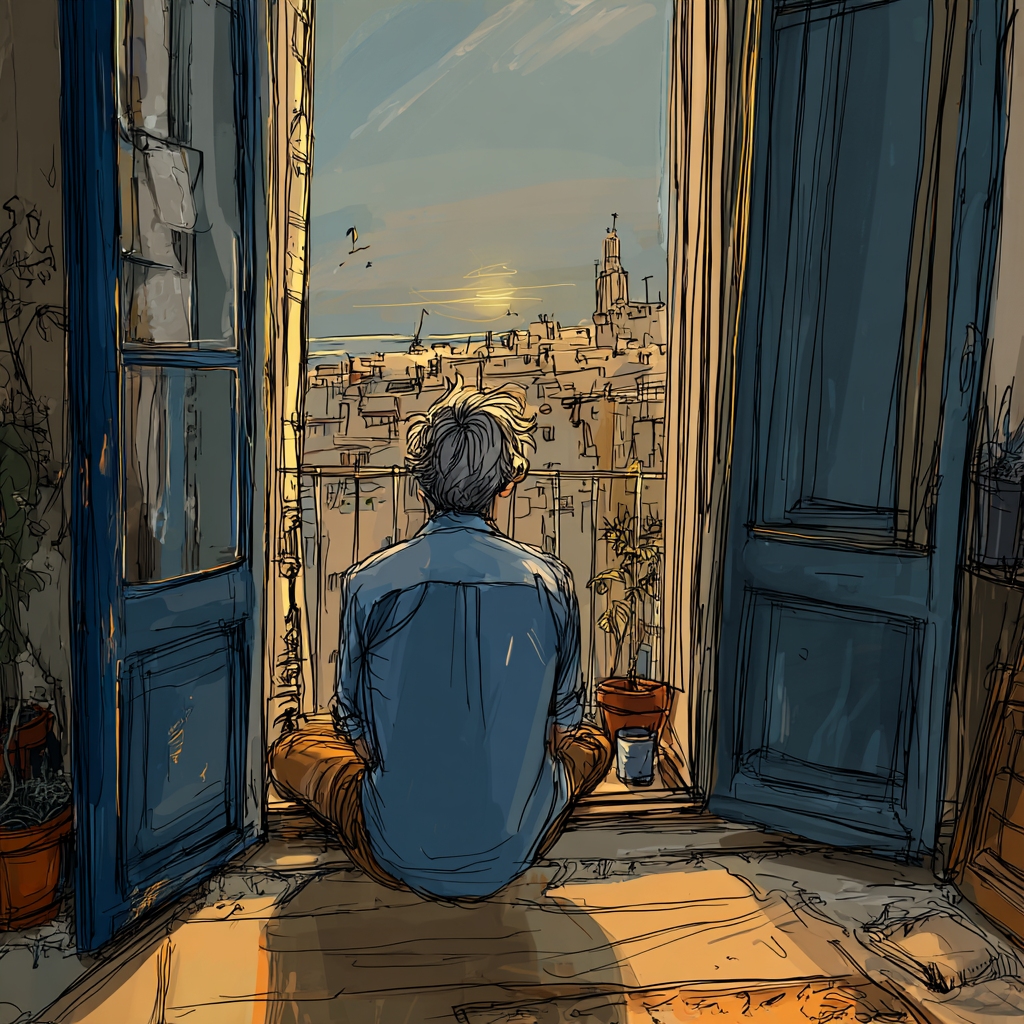
The authentic version of me was quieter, more contemplative, less concerned with achievement.
He wanted simple things: time to think, space to create, conversations that went deep instead of wide.
I’d been seeking validation for a different character for so long, I’d forgotten this person existed.

The Lightness That Follows
Once you stop chasing approval, there’s this tremendous sense of relief.
It’s like putting down a weight you didn’t realize you were carrying.
Suddenly, you’re not managing your image anymore. You’re not running those constant calculations. You can just be.
Conversations become easier because you’re not filtering every word. Work becomes clearer because you’re not trying to impress anyone.
Choices become simpler because you’re asking, What do I actually want? instead of What will make me look good?
The old patterns still show up sometimes. I still catch myself adjusting my words, still feel that twinge of anxiety when someone disagrees with me.
But now I see it happening. And seeing it gives me a choice.
I can go back to seeking approval, or I can take a breath and just say what’s true.
Most of the time now, I choose truth.
What You Discover
When you stop seeking validation, you discover something fundamental: you’re already enough.
Not perfect. You’ll still mess up, still have flaws, still carry doubts and uncertainties.
But you don’t need anyone’s approval to exist. You don’t need to earn your place in the world through validation.
You’re already valid. You were always valid.
You just couldn’t see it while you were so busy trying to prove it.
This is what freedom feels like.
Not doing whatever you want without consequences. Not becoming selfish or inconsiderate.

Freedom is finally coming home to yourself. Finally dropping the mask. Finally living your actual life instead of the one you think you’re supposed to live.
Some people will love you for it. Some won’t.
And both are fine.
Because you’re no longer seeking anyone’s approval. You’re just living.
And that, it turns out, is more than enough.
Explore More: How Men Over 40 Can Let Go of What Wasn’t And Embrace What Is
—Edited by Fernando Lahoz-García, M.A. in Journalism, Complutense University of Madrid. Currently based in Florida.
This article is inspired by the philosophical works and ideas of Alan Watts, the British philosopher and writer who interpreted Eastern philosophy for Western audiences. The personal reflections and contemporary examples are original. The core insights draw from Watts’ teachings on human nature, authenticity, and honoring one’s true design rather than conforming to societal expectations.
Top 10 Grooming Essentials for Men Over 50 — Hair, Beard and Skincare
Older Men’s Hairstyles: Embracing Thinning Hair with Style
Hassle-Free Skincare Routine Tips for Boys
How Men Over 40 Can Let Go of What Wasn’t And Embrace What Is
When Joy Goes Quiet, Something Else Begins