
Stop Explaining Yourself: The Moment You Take Back Your Own Life
On August 12, something unusual happened while I was on vacation in Spain.
The moon moved between us and the sun, and across a large part of the country daylight briefly disappeared. The solar eclipse of August 12, 2026 turned something completely ordinary and permanent into something temporarily hidden from view.
The sun, of course, had not gone anywhere. Something had simply moved in front of it.
That was the part I kept thinking about afterwards.
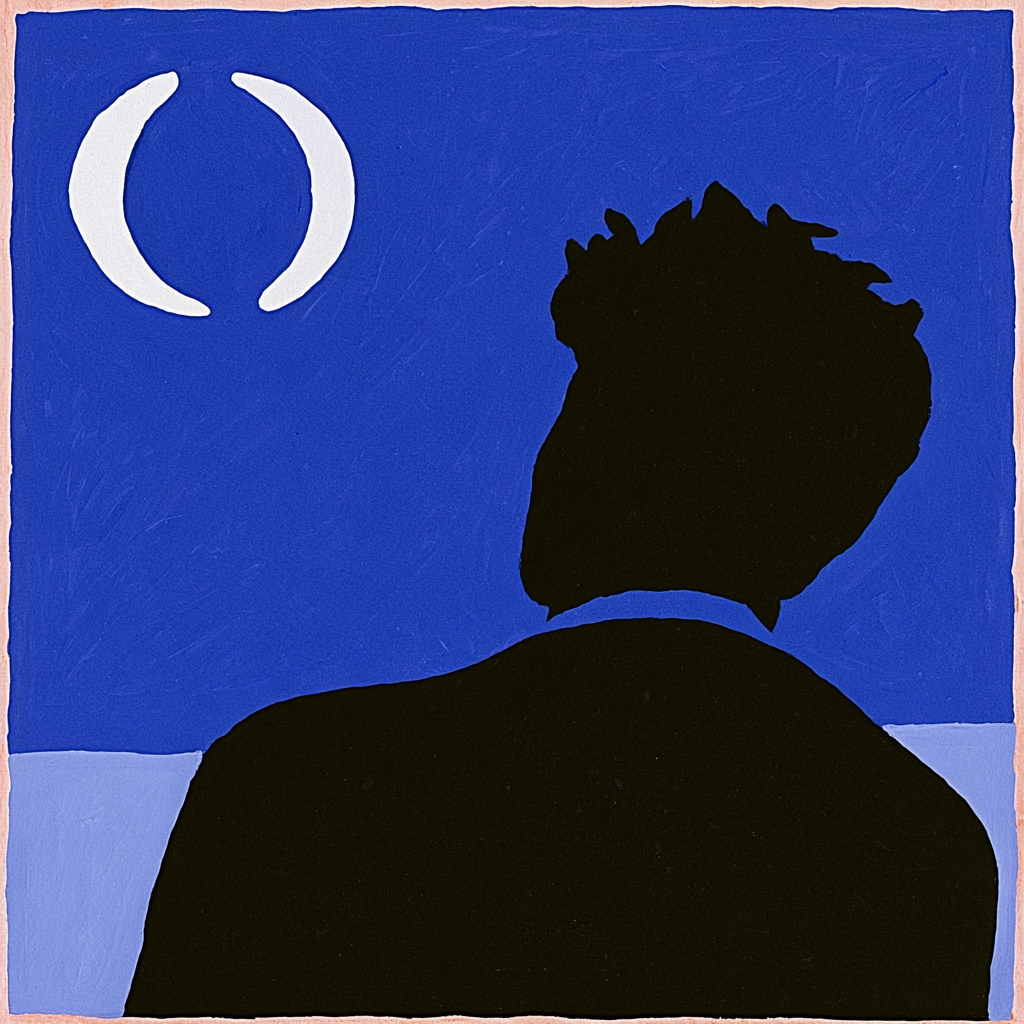
Because there is an uncomfortable human equivalent to it.
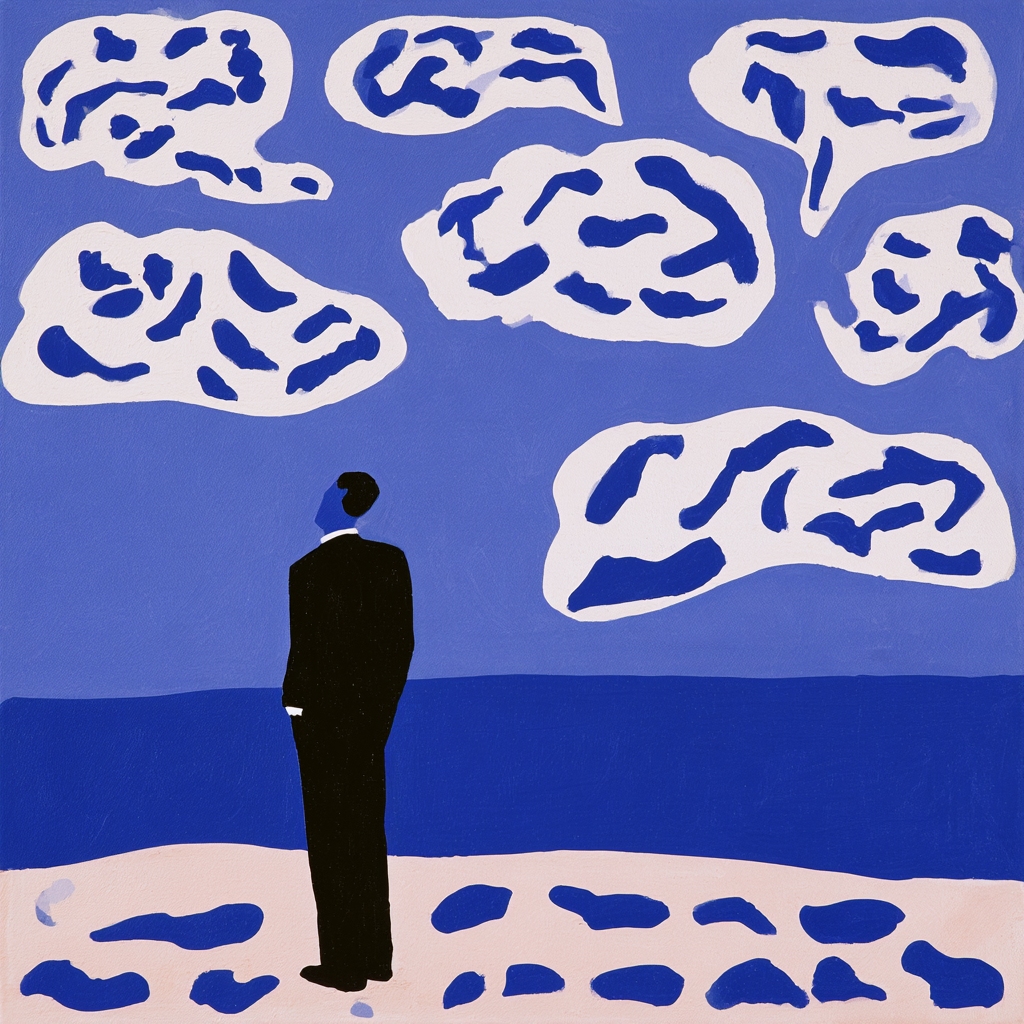
Parts of us disappear in much the same way. Not because they are gone, and not because we consciously decided to abandon them, but because over the years other things move in front: other people’s expectations, other people’s opinions, other people’s versions of who we are supposed to be.
I don’t think this usually happens dramatically. Most of us don’t wake up one morning and realize we’ve handed somebody else control of our lives. It happens slowly, through hundreds of small accommodations that seem perfectly reasonable at the time.
Eventually, without noticing exactly when it happened, we can begin allowing other people to decide our lives for us.
It usually starts with an explanation
I’ve become increasingly suspicious of the instinct to explain everything.
You change your plans and explain why. You turn down an invitation and give three reasons. You set a boundary and immediately soften it. You make a decision and, before anyone has even questioned it, begin assembling the evidence for your defense.
It seems considerate. Mature, even. And sometimes it is.
But I’ve come to think that sometimes an explanation is not communication.
It is a request for permission.
That distinction matters, because when you repeatedly present your choices for approval, people eventually learn that they are allowed to have a vote.
The version of this I keep imagining is completely ordinary.
A man is sitting at dinner with his family. He is 42. For the past five years, everyone has rented the same house together for a week every summer. This year he does not want to go.
It should be a fairly simple piece of information.
Instead, he begins building a case.
Work has been hectic. Flights are expensive. He might have something happening that week. He hasn’t been sleeping well. Perhaps he will join them for only three days.
His sister starts solving the problems for him. Someone finds a cheaper flight. His father says he works too much anyway. His wife looks at him because, until ten minutes ago, she thought they had already decided not to go.
I think most of us recognize some version of this moment.
Somewhere in the middle of explaining himself, he realizes what has happened.
He did not tell them he wasn’t going.
He asked them whether his reasons were good enough.
How other people start deciding your life
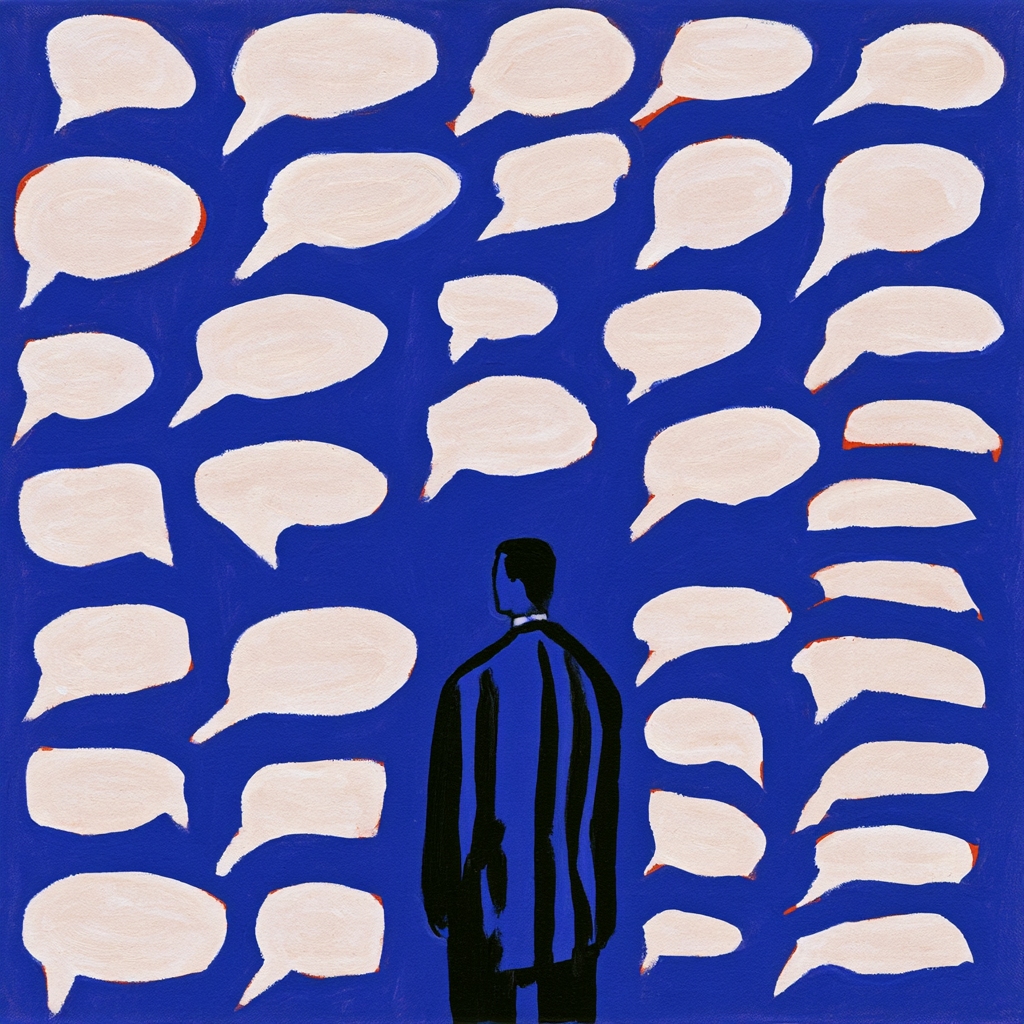
Very few people announce that they intend to take control of your decisions. In my experience, it happens much more politely than that.
Are you sure?
Why would you do that?
That’s not really you.
You’ll regret it.
So you explain. Then you explain a little more. Their reaction enters the calculation, and you adjust the decision, perhaps only slightly.
Do this often enough and something changes.
You stop asking yourself, What do I want?
You start asking, What will everyone think if I do it?
Those are profoundly different questions.
I don’t mean that listening to other people is weakness. Advice can save us from spectacularly stupid decisions. Someone who knows you well may see something you cannot.
But listening is different from surrendering authorship.
There is a point at which openness becomes outsourcing.
The person everybody knows may not actually be you
One reason I find Jung’s idea of the persona useful is that it gives a name to something most of us already understand instinctively: the social version of ourselves we present to the world.
We all need one. Society would become fairly exhausting if every cashier, colleague and neighbor encountered the complete psychological contents of everyone they met.
The problem begins when the persona stops being something you use and becomes something you, almost unconsciously, obey.
You become dependable because people like you dependable. Easygoing because people like you easygoing. Successful in the way your family understands success. Social in the way your friends understand fun. Available because somebody expects you to be available.
Eventually, the version of you that everybody recognizes can become so convincing that even you stop questioning it.
This is also where Jung’s idea of the shadow interests me. Not because it contains some secret evil self waiting to escape, but because what gets pushed out of view can also be useful: assertiveness, instinct, ambition, anger, creativity, tenderness, desire.
Qualities that simply did not fit the person we learned to be.
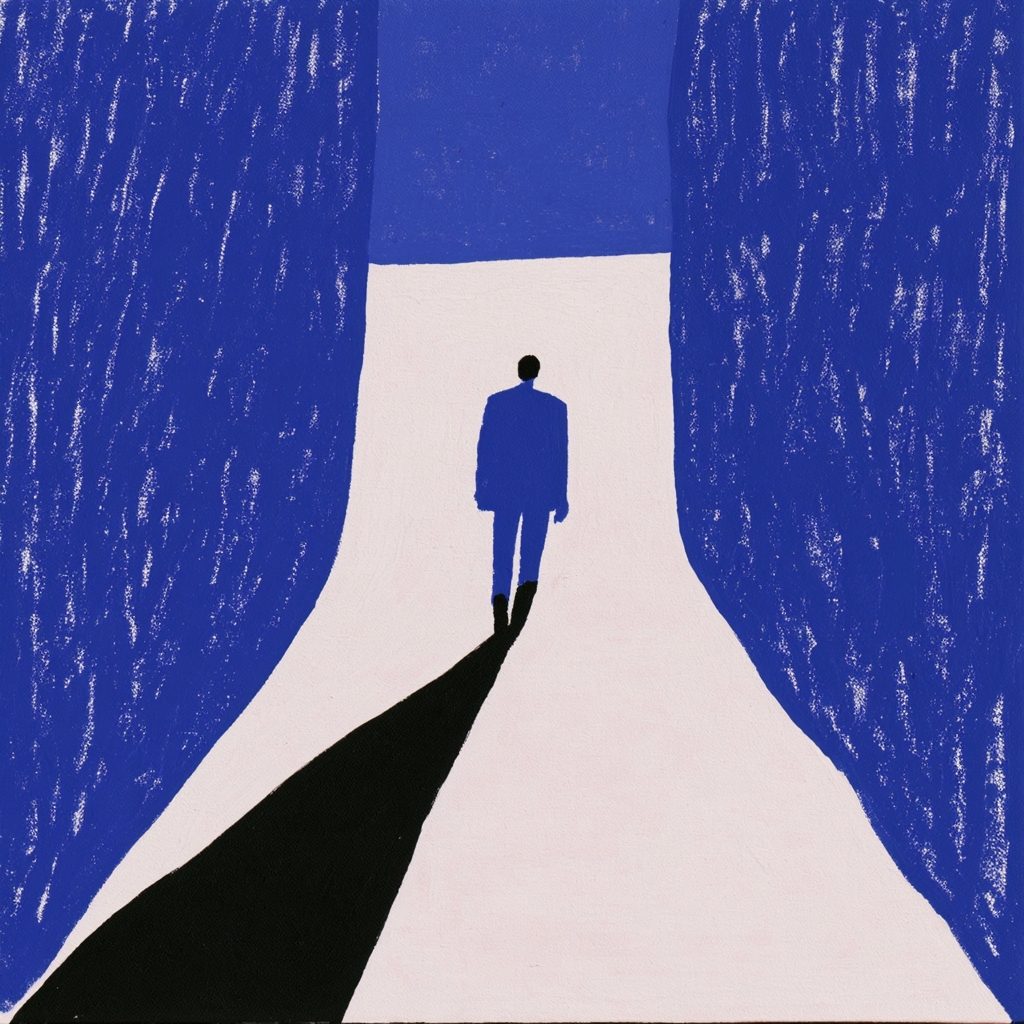
That is why I keep coming back to the eclipse.
What has been obscured is not necessarily something new waiting to be discovered. It may be something familiar that became inconvenient.
The preference you stopped mentioning because everyone laughed at it.
The ambition you learned to downplay because it made somebody uncomfortable.
The part of your personality that was apparently easier for everyone when it stayed quiet.
We tend to imagine self-discovery as finding something new. I’m not sure that’s always true.
Often it seems to be the opposite: recognizing something that has been there for years, covered by everything you thought you were supposed to be.
The dangerous phrase: “They know me”
There is another phrase I’ve learned to be cautious with: They know me.
Because often they do.
Parents know what is sensible for us. Friends know what we normally like. Partners know how we behave. Colleagues know what we’re good at.
And because their assessment contains some truth, we give it authority.
But someone knowing your history does not give them ownership of your future.
They know the person you have been. You are allowed to become somebody they did not predict.
I’ve noticed that this is often where change becomes socially difficult. When you change, everyone around you has to subtly renegotiate their relationship with you.
Some will do it easily.
Others will keep referring you back to your previous self.
Since when do you do that?
You never used to care about this.
You’re different.
Perhaps.
That may be the point.
More Reading: The Loneliness of Outgrowing Everyone Around You: A Truth for Men Over 40
The moment you stop explaining
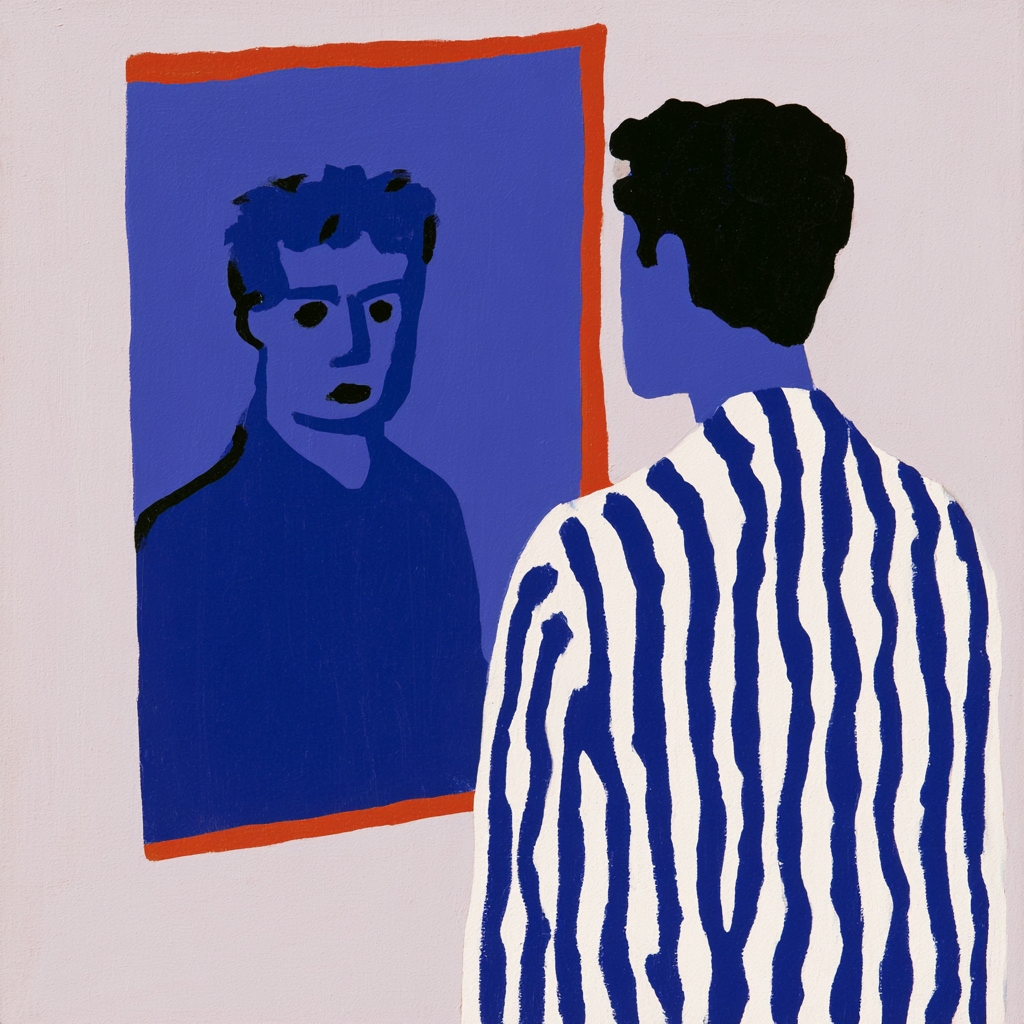
I think one of the strangest things about stopping the reflex to explain yourself is how quickly you learn which relationships never required the explanation in the first place.
You say, I’m not coming tonight.
They say, Okay. Another time.
An astonishingly sophisticated social interaction, apparently.
Other people push. They want a reason. Then another reason. They begin negotiating against your explanation as though your decision were merely the opening position.
You may discover that certain relationships depended more heavily on your compliance than you realized.
That information can hurt. I still think it is useful information.
Because a boundary that only works after the other person agrees with your reasoning is not really a boundary.
It is a negotiation.
And when you stop explaining everything, there is suddenly space.
If you have spent decades orienting yourself toward other people’s reactions, that space can feel uncomfortable. You are accustomed to reading the room before reading yourself.
There is no immediate verdict. Nobody telling you whether your feeling makes sense. Nobody reassuring you that your decision is correct.
You have to hear your own preference before everybody else’s opinion arrives.
I don’t think we realize how difficult that is until we try it.
Sometimes they are right about you
This is the part I don’t want to romanticize.
There is an attractive version of this argument in which every boundary is growth, every objection is control and every person who struggles with the new you simply preferred the old, more compliant version.
I don’t believe that version.
A man who stops explaining himself at 40 has not necessarily become more authentic. Sometimes he has simply become selfish and found better language for it.
“I need to protect my peace” can mean I no longer want to deal with anyone else’s needs.
“I’m setting a boundary” can mean I want the benefits of this relationship without its obligations.
“This is who I am now” can occasionally mean I don’t want to be questioned.
I’ve become wary of language that automatically turns every uncomfortable decision into personal growth. There are people who discover the language of self-respect and use it beautifully. There are also people who discover it and become unbearable.
And sometimes the person challenging your decision is not trying to control you.
Sometimes he really does know you.
Sometimes she sees the pattern you are pretending not to see.
Sometimes your friend saying, This doesn’t sound like you, is not demanding that you remain unchanged. He is noticing that you are about to do something stupid.
For me, that is the harder definition of internal authority. It does not mean assuming every impulse emerging from inside you deserves obedience.
It means taking responsibility for choosing.
Including responsibility for choosing badly.
You are allowed to disappoint people. They are allowed to leave.
This may be one of adulthood’s least advertised freedoms: you can disappoint someone and still have made the right decision.
Someone can misunderstand you and you do not have to correct the record. Someone can dislike a boundary and the boundary can remain. Someone can think your choice is foolish.
They might even be right.
It is still your choice to make.
But there is another side to this that I think gets left out of most conversations about boundaries.
Other people get choices too.
You are allowed to stop going on the annual trip. Your friends are allowed to eventually stop inviting you.
You are allowed to become less available. Someone you love is allowed to decide that the resulting relationship no longer gives them what they need.
You can leave a job, a friendship, a marriage, a city, a version of yourself.
And the people affected are not required to applaud your growth.
I think this is where a lot of advice about “choosing yourself” becomes dishonest. Sometimes reclaiming authorship costs you relationships you will genuinely miss—not toxic relationships, not people who were secretly using you, but good people whose lives simply no longer fit comfortably with yours.
That does not automatically mean you made the wrong decision.
It means decisions have consequences.
Autonomy is not immunity from them.
I don’t think the goal is to move through life without disappointing anyone. Nor is it to turn disappointment into proof that you are finally living authentically.
It is to know whose life you are choosing, accept the cost of choosing it, and remain open to the possibility that you could still be wrong.
That is considerably harder than simply refusing to explain yourself.
When the light returns
This is why I keep returning to that image of the eclipse.
Nothing actually disappeared.
The light was obscured. Then the alignment changed, and what had been there all along became visible again.
I think there is something worth noticing in that.
Not in the sky.
In ourselves.
The preference you keep explaining away. The decision you have effectively allowed someone else to make. The part of your personality that became inconvenient. The life you keep defending instead of examining.
I’ve started thinking of it as a very simple question:
What would I choose if nobody required an explanation?
Not what would look best. Not what would make everybody comfortable. Not what the person you have always been is expected to choose.
What do you actually want?
And then, because I don’t think the first question is enough, there is another one.
What would that choice cost, and are you willing to own the cost?
You may not like the answer immediately.
That does not make it the wrong answer.
Sometimes the part of you that has been hidden is not asking to be invented.
It is simply waiting for whatever has been standing in front of it to move.

Men’s Skin Care Kit for Daily Grooming

Hobbies for Retired Men: Staying Strong, Curious, and Connected After 60

Receding Hairline Haircuts for Men Over 50

Inspirational Quotes for Men Over 40

Best Natural Remedies for Men with Thinning or Receding Hair