The Evolution of German Men’s Fashion: From Traditional to Contemporary
Germany has long been a country with a rich and varied cultural heritage, influencing many facets of life, including fashion. German men’s fashion, in particular, has evolved significantly over the centuries, reflecting broader social, economic, and political changes. From the structured, formal attire of the early 20th century to the relaxed, avant-garde styles of today, German men’s fashion tells a story of tradition, innovation, and adaptation.
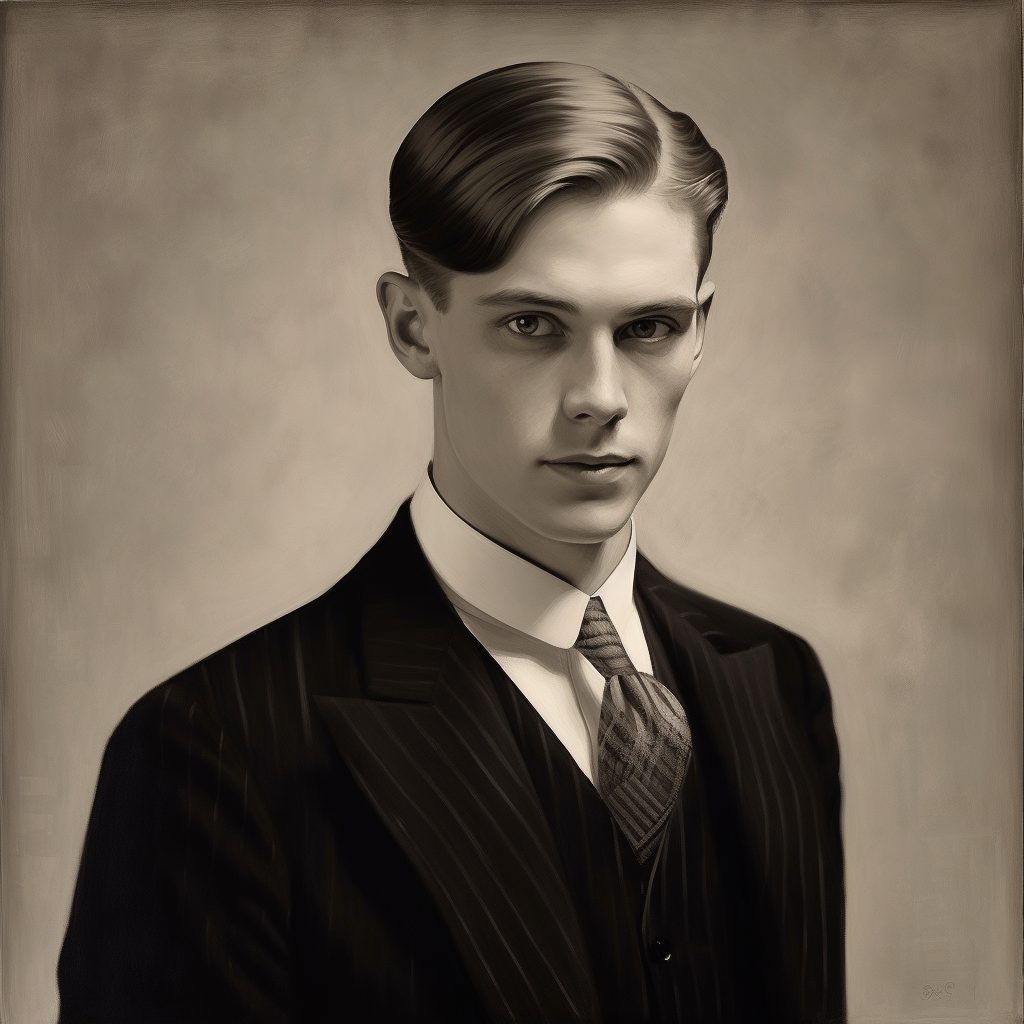
In the early 1900s, German men’s fashion was characterized by its formality and adherence to strict social codes. Men typically wore tailored suits, complete with waistcoats, ties, and hats. This period reflected a society that valued order and discipline, mirrored in the precise cuts and conservative styles of the clothing. However, the impact of World War I and the subsequent economic challenges brought about significant changes in both society and fashion. Practicality and functionality became more important, leading to simpler, more utilitarian styles.
The 1920s and 1930s saw the rise of a more relaxed and casual approach to fashion. Influenced by the global trends of the Jazz Age and the increasing influence of American culture, German men began to embrace more comfortable and expressive styles. This era also marked the beginning of the influence of cinema and celebrities on fashion, with men looking to the silver screen for style inspiration. The advent of World War II, however, brought another shift. During this time, clothing was heavily influenced by the need for practicality and resourcefulness, with many materials being rationed and styles becoming even more utilitarian.
Post-war Germany saw a resurgence in fashion innovation. The Wirtschaftswunder (economic miracle) of the 1950s and 1960s brought newfound prosperity, and with it, a renewed interest in fashion. German designers began to make their mark on the global stage, blending traditional craftsmanship with modern aesthetics. This period also saw the rise of subcultures, each with its own distinct style, from the rock ‘n’ roll-inspired looks of the 1950s to the rebellious, countercultural fashions of the 1960s and 1970s.
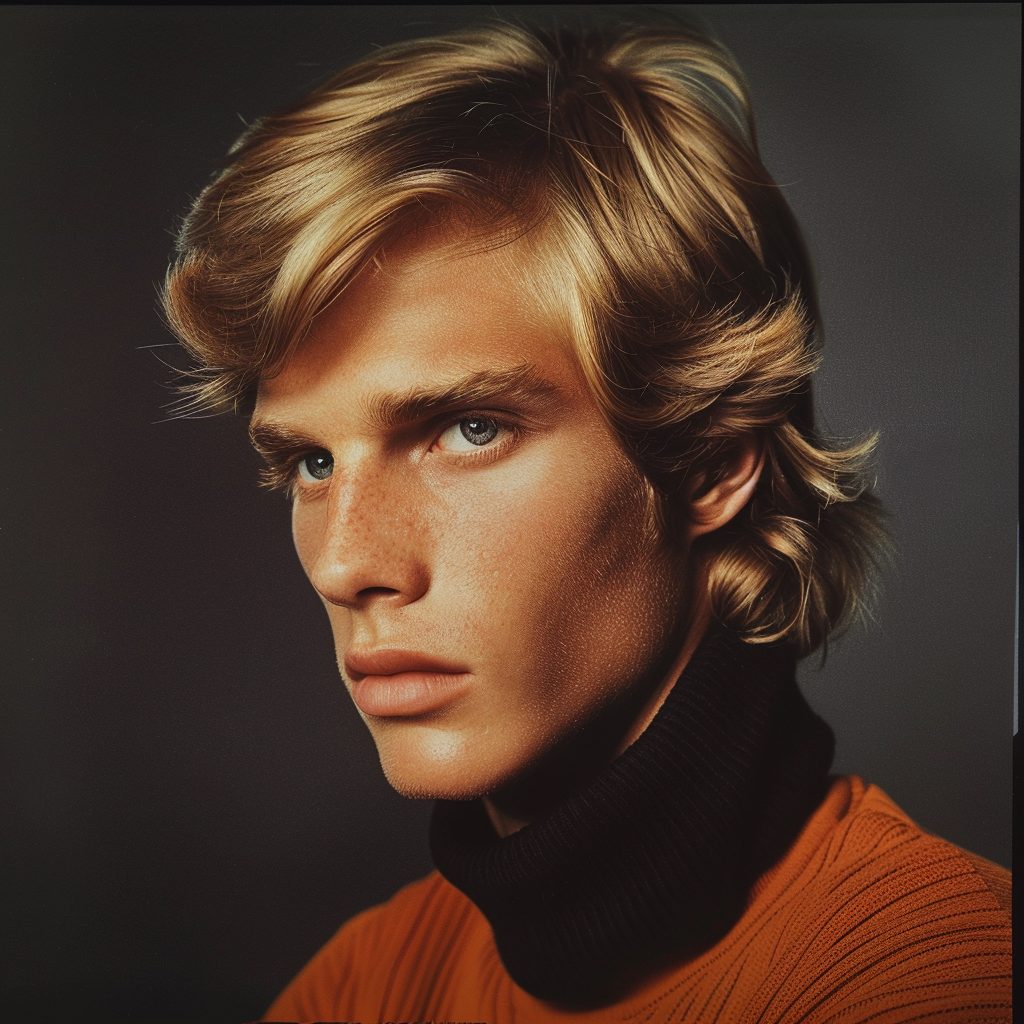
The late 20th century and early 21st century have seen German men’s fashion continue to evolve, embracing both global trends and local traditions. Today, German fashion is known for its blend of classic tailoring and avant-garde innovation, with designers like Karl Lagerfeld and Wolfgang Joop leading the way. The modern German man can be seen sporting everything from sleek, minimalist suits to bold, experimental streetwear, reflecting the diverse and dynamic nature of contemporary German society.
The Early 20th Century: Tradition and Formality
In the early 1900s, German men’s fashion was heavily influenced by Victorian and Edwardian styles. Tailored suits were the norm, with men wearing three-piece suits consisting of a jacket, waistcoat, and trousers. Accessories such as bow ties, cravats, and pocket watches added a touch of elegance and sophistication. This period emphasized formality and decorum, with strict dress codes governing what was appropriate for different occasions.
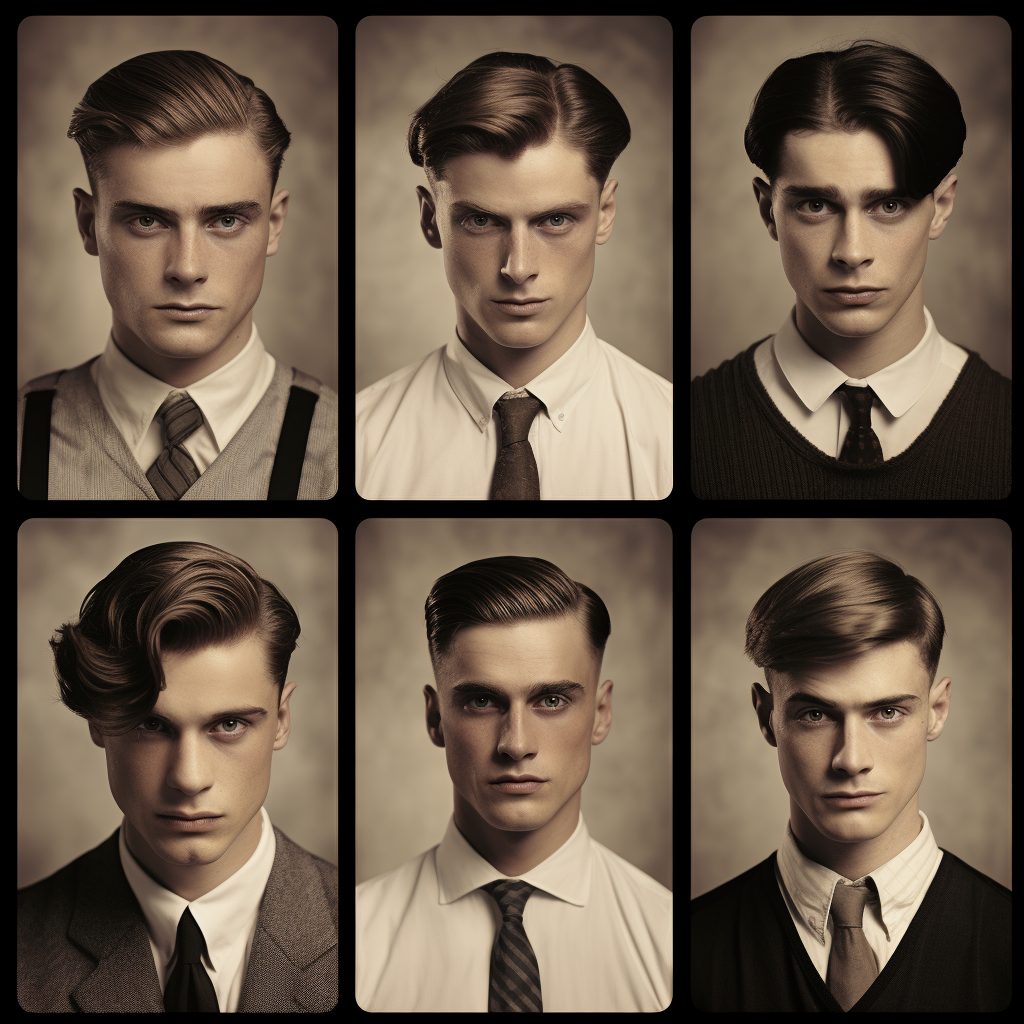
The impact of World War I brought about a significant shift in fashion. The need for practicality and functionality became paramount, and clothing styles became simpler and more utilitarian. Military uniforms influenced civilian fashion, with trench coats and bomber jackets becoming popular items in men’s wardrobes. The economic challenges of the post-war period also meant that clothing had to be durable and affordable, leading to the widespread adoption of mass-produced garments.
One of the most iconic elements of traditional German attire is the Lederhosen. These leather breeches, originating from the Bavarian region, were initially designed for durability and functionality, making them ideal for outdoor labor. Typically knee-length or shorter, Lederhosen were made from leather, which offered both flexibility and strength. Over time, they became a symbol of Bavarian culture, worn during festivities and cultural events like Oktoberfest. Their lasting popularity underscores the deep-rooted respect for tradition in German fashion, even as other styles have evolved.
The Roaring Twenties and the Influence of American Culture
The 1920s, known as the Roaring Twenties, brought about a sense of liberation and experimentation in fashion. Influenced by the Jazz Age and the increasing popularity of American culture, German men began to embrace more relaxed and casual styles. The traditional three-piece suit gave way to more comfortable and less structured clothing, with softer fabrics and looser fits becoming popular.
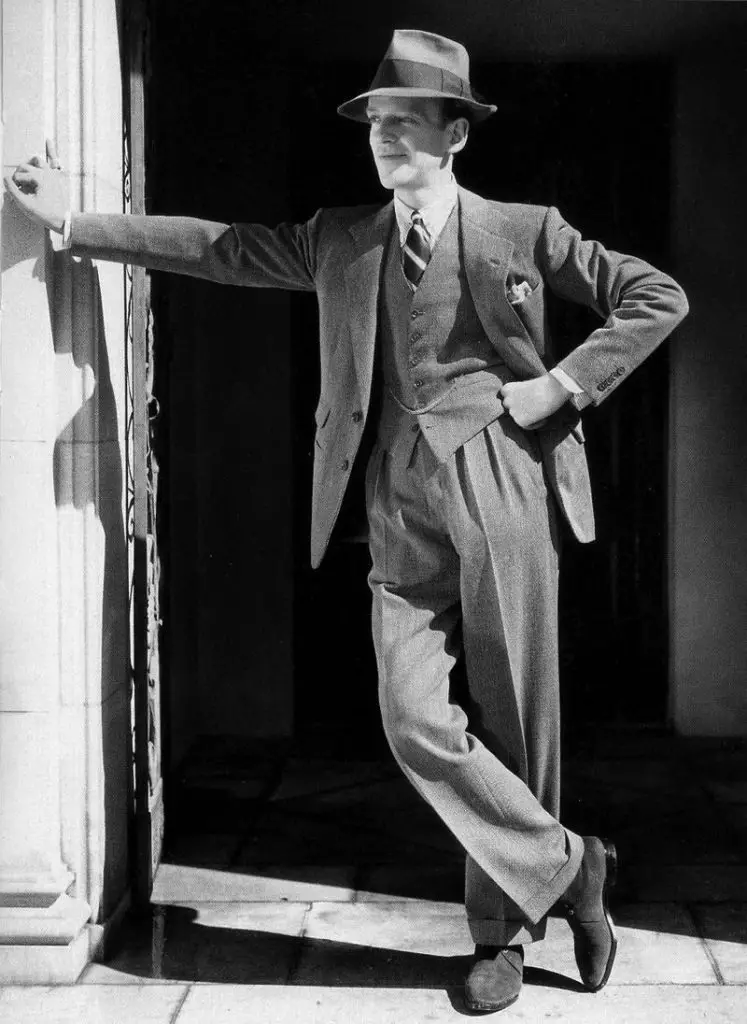
This era also saw the rise of the cinema as a major influence on fashion. Men looked to Hollywood for style inspiration, emulating the looks of their favorite movie stars. The tuxedo, for example, became a symbol of sophistication and glamour, worn by leading men on and off the screen. Accessories such as fedoras and bow ties added a touch of flair and individuality to men’s outfits.
The Impact of World War II: Practicality and Resourcefulness
The advent of World War II brought about another significant shift in men’s fashion. The need for practicality and resourcefulness became even more pronounced, with many materials being rationed and styles becoming more utilitarian. Military uniforms once again influenced civilian fashion, with items such as pea coats, bomber jackets, and cargo pants becoming staples in men’s wardrobes.
During this time, clothing was often made from durable and easily accessible materials such as wool and cotton. The focus was on functionality and durability, with styles that could withstand the rigors of daily life. The influence of the war also led to a more somber and restrained color palette, with shades of brown, gray, and green dominating men’s fashion.
The Post-War Period: Prosperity and Innovation
The post-war period brought about a resurgence in fashion innovation. The Wirtschaftswunder (economic miracle) of the 1950s and 1960s brought newfound prosperity, and with it, a renewed interest in fashion. German designers began to make their mark on the global stage, blending traditional craftsmanship with modern aesthetics.
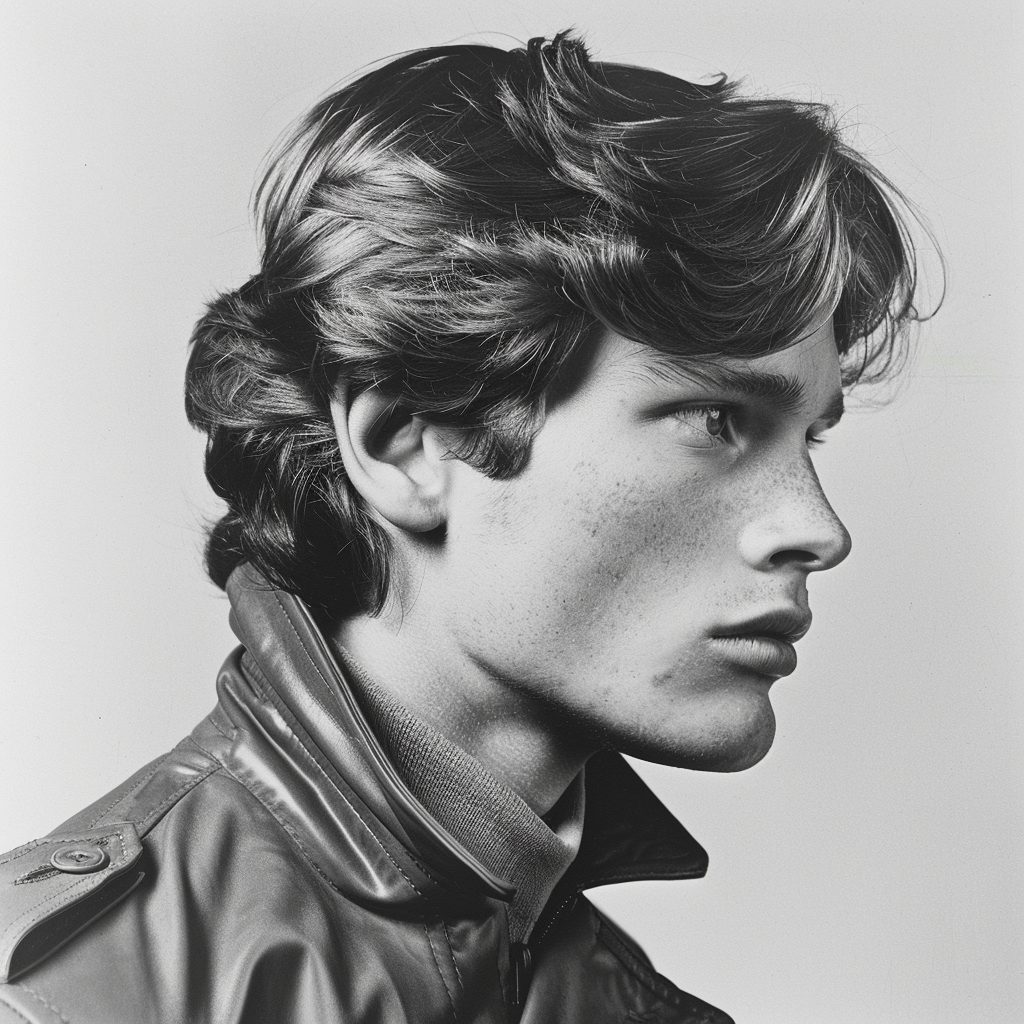
This period also saw the rise of subcultures, each with its own distinct style. The rock ‘n’ roll-inspired looks of the 1950s, characterized by leather jackets, denim jeans, and slicked-back hair, reflected a rebellious spirit and a desire for individuality. The 1960s and 1970s, meanwhile, saw the rise of the countercultural movement, with styles such as bell-bottom jeans, psychedelic prints, and long hair becoming popular among young men.
The Late 20th Century: Minimalism and Avant-Garde
The late 20th century and early 21st century have seen German men’s fashion continue to evolve, embracing both global trends and local traditions. The 1980s and 1990s, in particular, were characterized by a blend of minimalism and avant-garde innovation. Designers such as Karl Lagerfeld and Wolfgang Joop brought German fashion to the forefront of the global stage, with their unique and often unconventional designs.

Minimalism became a key trend during this period, with clean lines, neutral colors, and simple silhouettes dominating men’s fashion. This minimalist aesthetic was often contrasted with bold, experimental pieces, reflecting a desire to push the boundaries of traditional fashion norms. Streetwear also became increasingly popular, with brands such as Adidas and Puma leading the way in creating stylish and functional clothing for the modern man.
Modern German Men’s Fashion: Tradition Meets Innovation
Today, German men’s fashion is characterized by a unique blend of tradition and innovation. The modern German man can be seen sporting everything from sleek, minimalist suits to bold, experimental streetwear, reflecting the diverse and dynamic nature of contemporary German society. Designers such as Boris Bidjan Saberi and Bernhard Willhelm continue to push the boundaries of fashion, creating innovative and cutting-edge designs that challenge conventional norms.
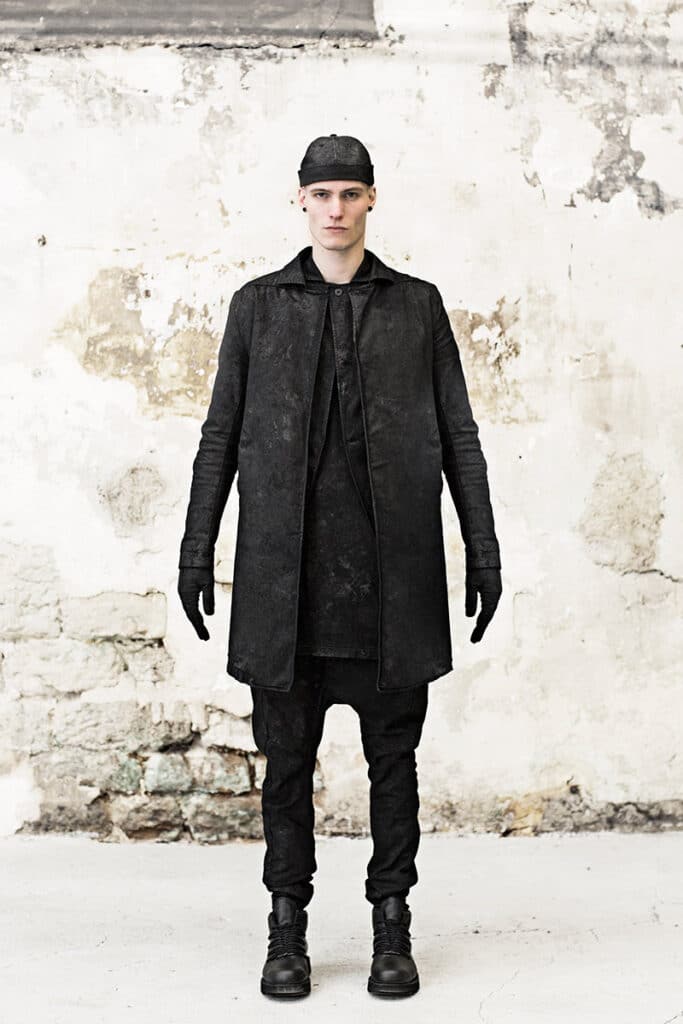
At the same time, traditional German craftsmanship remains highly valued, with many men seeking out high-quality, bespoke garments that reflect a commitment to quality and attention to detail. This ongoing interplay between tradition and modernity is what makes German men’s fashion so unique and exciting, offering a rich tapestry of styles and influences that continue to evolve and inspire.
Looking Forward: The Future of German Men’s Fashion
The evolution of German men’s fashion is a fascinating journey that reflects broader social, economic, and cultural changes. From the formal, structured styles of the early 20th century to the relaxed, avant-garde looks of today, German men’s fashion has continually adapted and evolved, blending tradition with innovation to create a unique and dynamic style. Influential designers, historical events, and global trends have all played a role in shaping this evolution, resulting in a rich and diverse fashion landscape.
As we look to the future, it is clear that German men’s fashion will continue to evolve, embracing new trends and technologies while remaining grounded in its rich cultural heritage. The modern German man is confident, stylish, and unafraid to experiment with different looks, reflecting a society that values both individuality and tradition. Whether it’s a sleek, minimalist suit or a bold, experimental streetwear outfit, German men’s fashion offers something for everyone, making it an exciting and ever-changing field to explore.
The evolution of German men’s fashion is a testament to the country’s ability to adapt and innovate, blending tradition with modernity to create a unique and dynamic style. From the early 20th century to the present day, German men’s fashion has continually evolved, reflecting broader social, economic, and cultural changes. As we move forward, it is clear that this evolution will continue, offering new and exciting possibilities for the future of German men’s fashion.
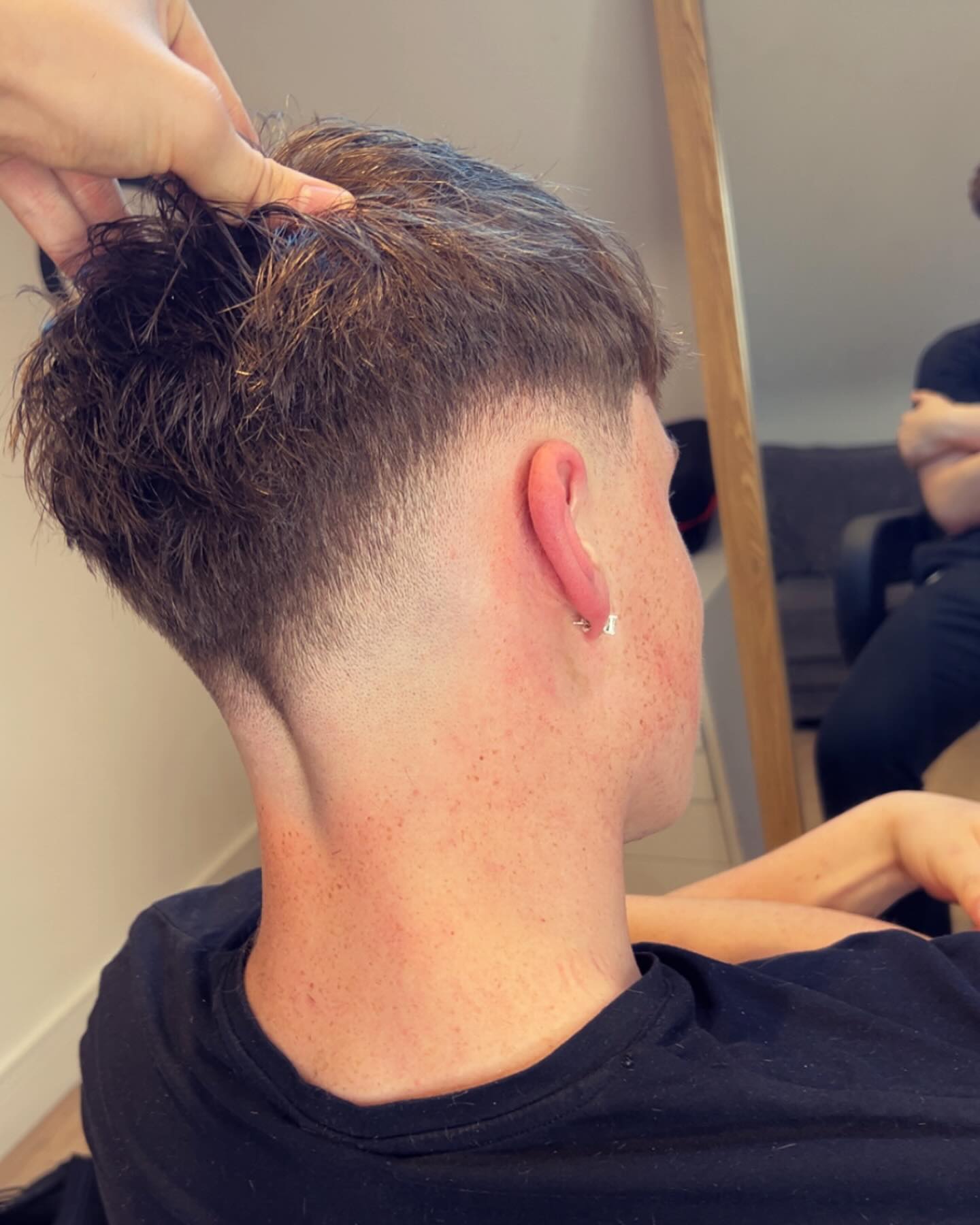
Drop Fade Haircut: Styles, Variations for Different Hair Texture and Modern Inspiration
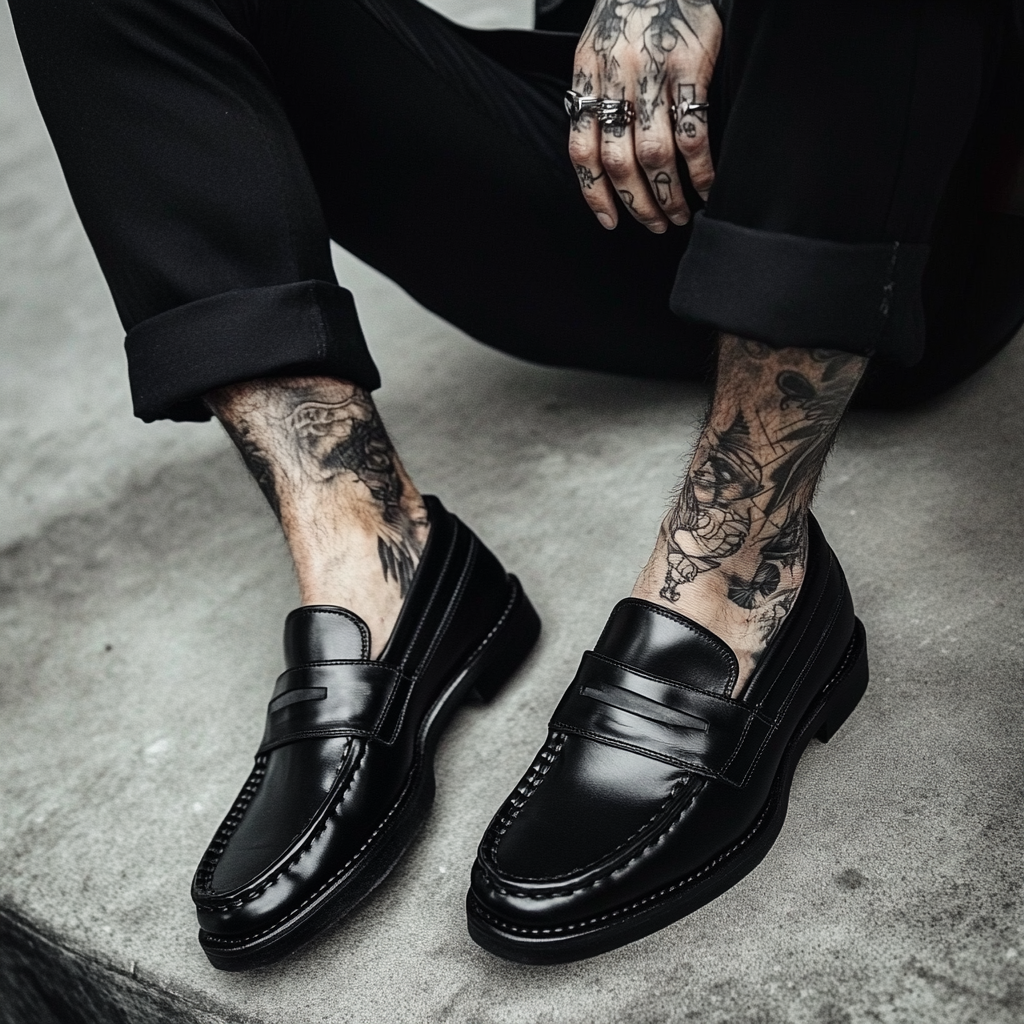
Men’s Black Dress Shoes: Classic and Modern Pairs for Every Occasion
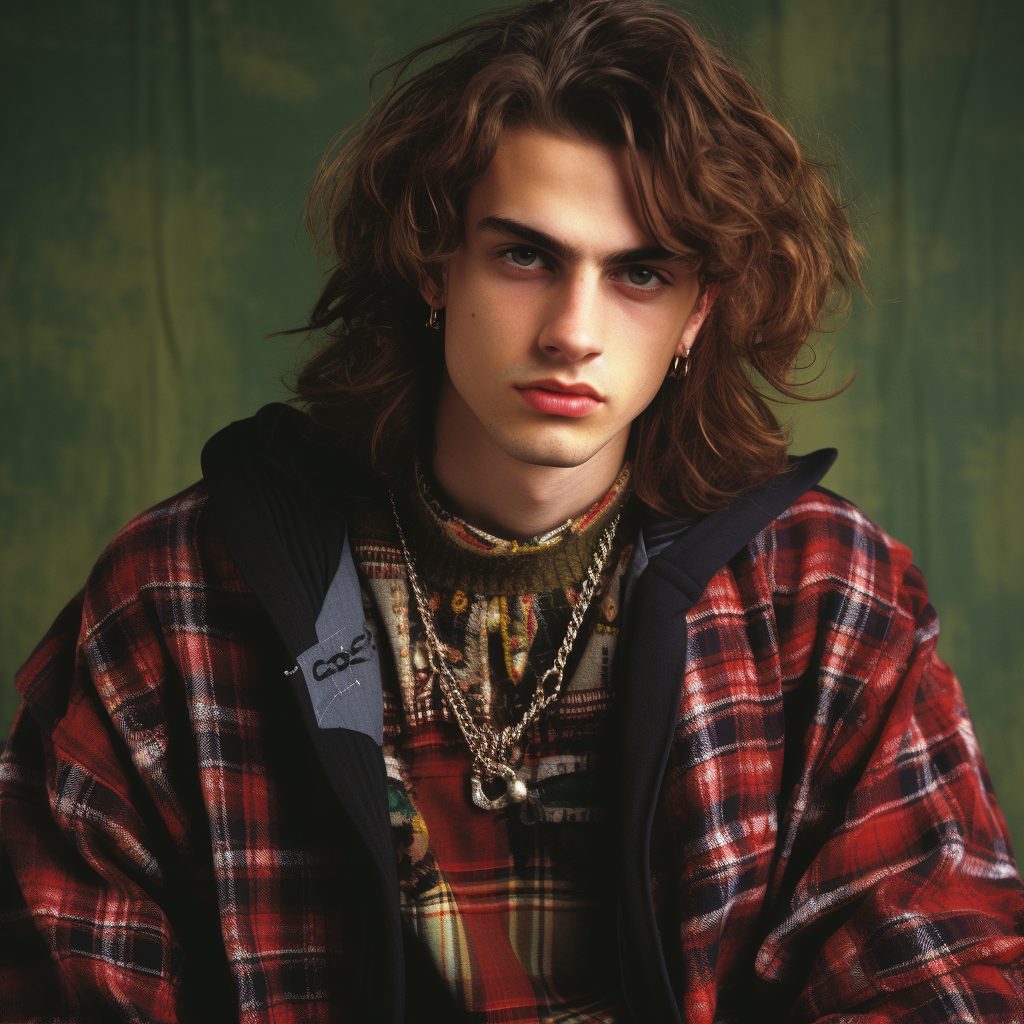
Iconic 90s Men’s Fashion and Hairstyles: A Nostalgic Journey
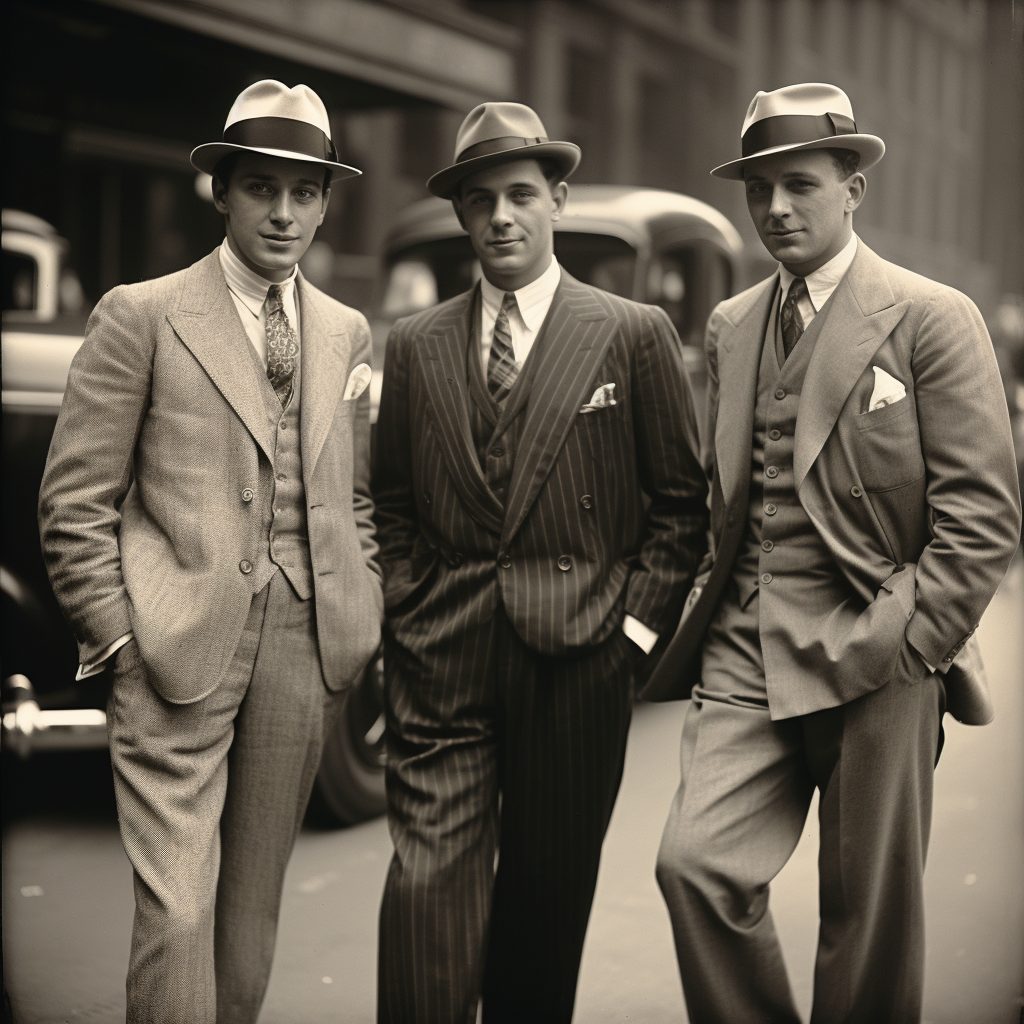
1920s Fashion for Men: A Glimpse into the Roaring Twenties

Surfer Curtains Hairstyle for Men: Beach Vibes Guide