The Mod Cut Hairstyle for Men: A Timeless and Trendy Fashion Statement
Fashion trends come and go, but some styles have a remarkable ability to transcend time and remain relevant through the ages.
One such hairstyle is the mod cut, a classic and iconic look that has continued to captivate men’s fashion enthusiasts for decades.
We are going to explore the history of the mod cut, its evolution over the years, and its enduring popularity as a trendy and hip style for men.
The Mod Movement: A Revolution in Style
A Glimpse into History
The mod hairstyle finds its roots in the vibrant and revolutionary mod movement of the 1960s.
Originating in the streets of London, this cultural phenomenon was marked by a rejection of traditional norms and a fervent embrace of modernity, fashion, and music.
The mods were young people who sought to break free from the constraints of the past, and their distinctive style was a testament to their rebellion.
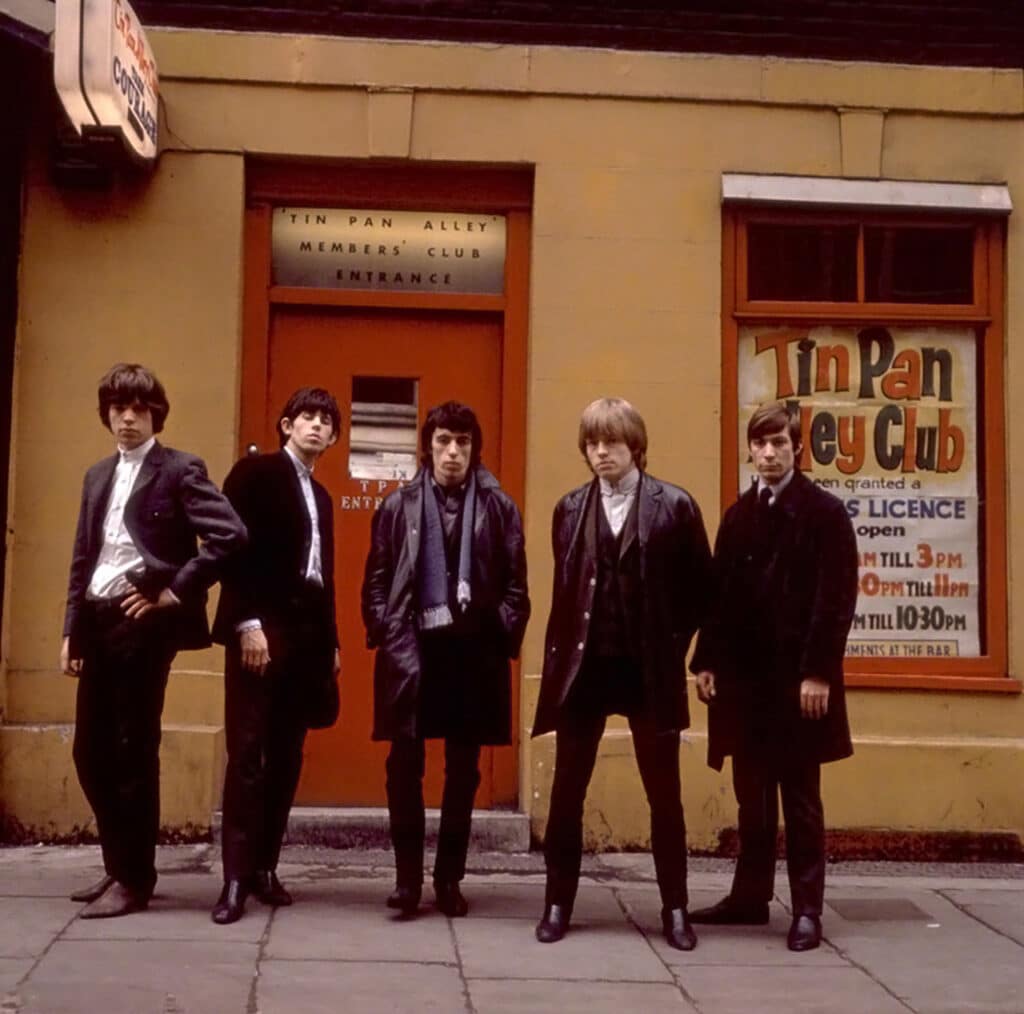
The mod haircut, in particular, was a sharp departure from the longer, more conservative hairstyles of the previous generation.
It was characterized by its clean, tailored lines, and an emphasis on precision and symmetry.
The mod cut exuded confidence and a sense of forward-thinking, making it the perfect choice for a generation that was determined to shape its own destiny.
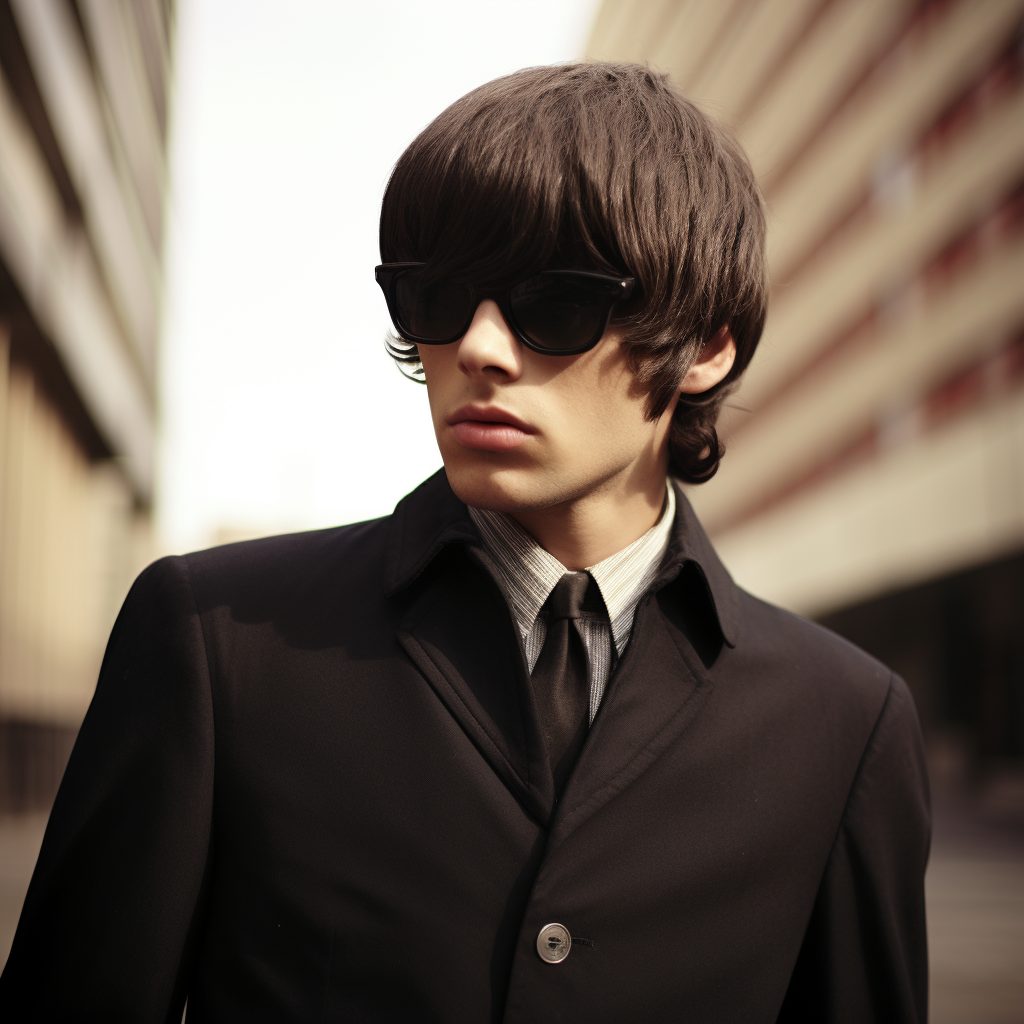
Icons of the Era
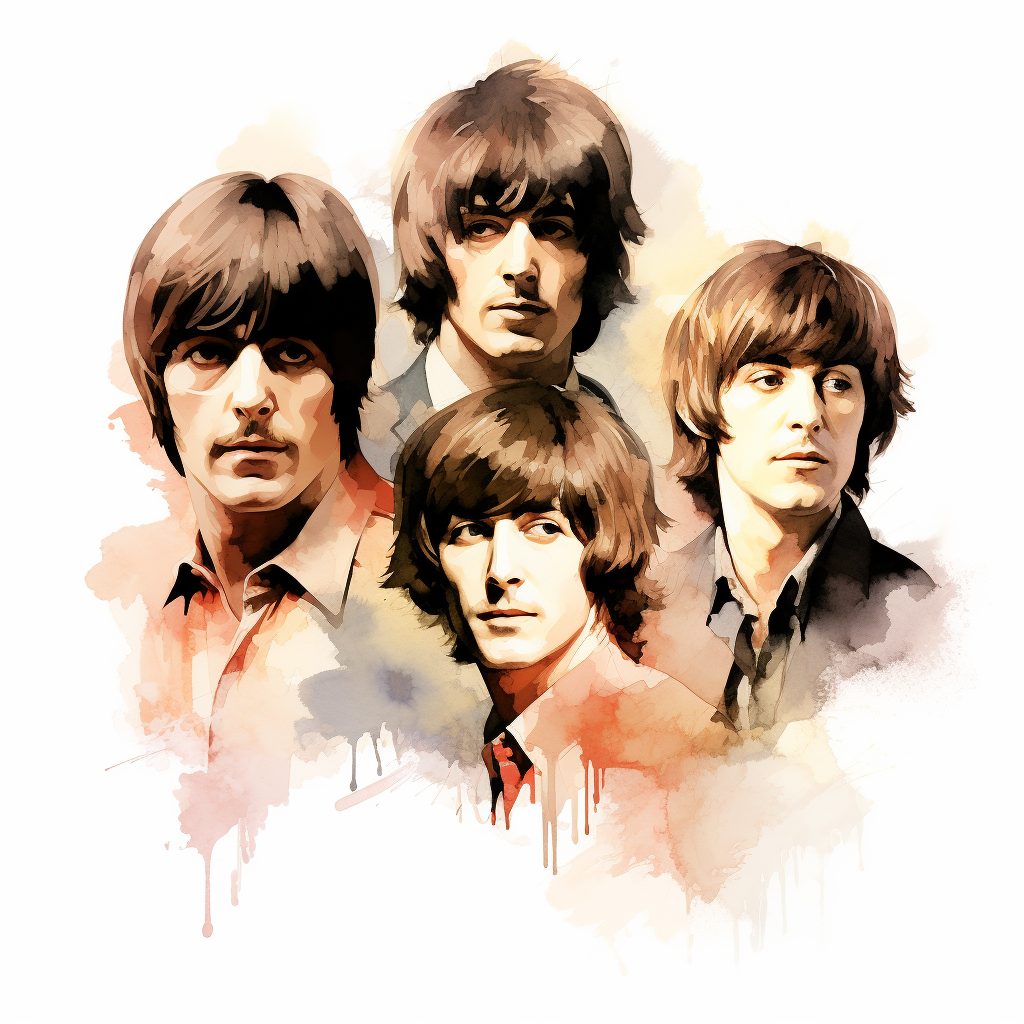
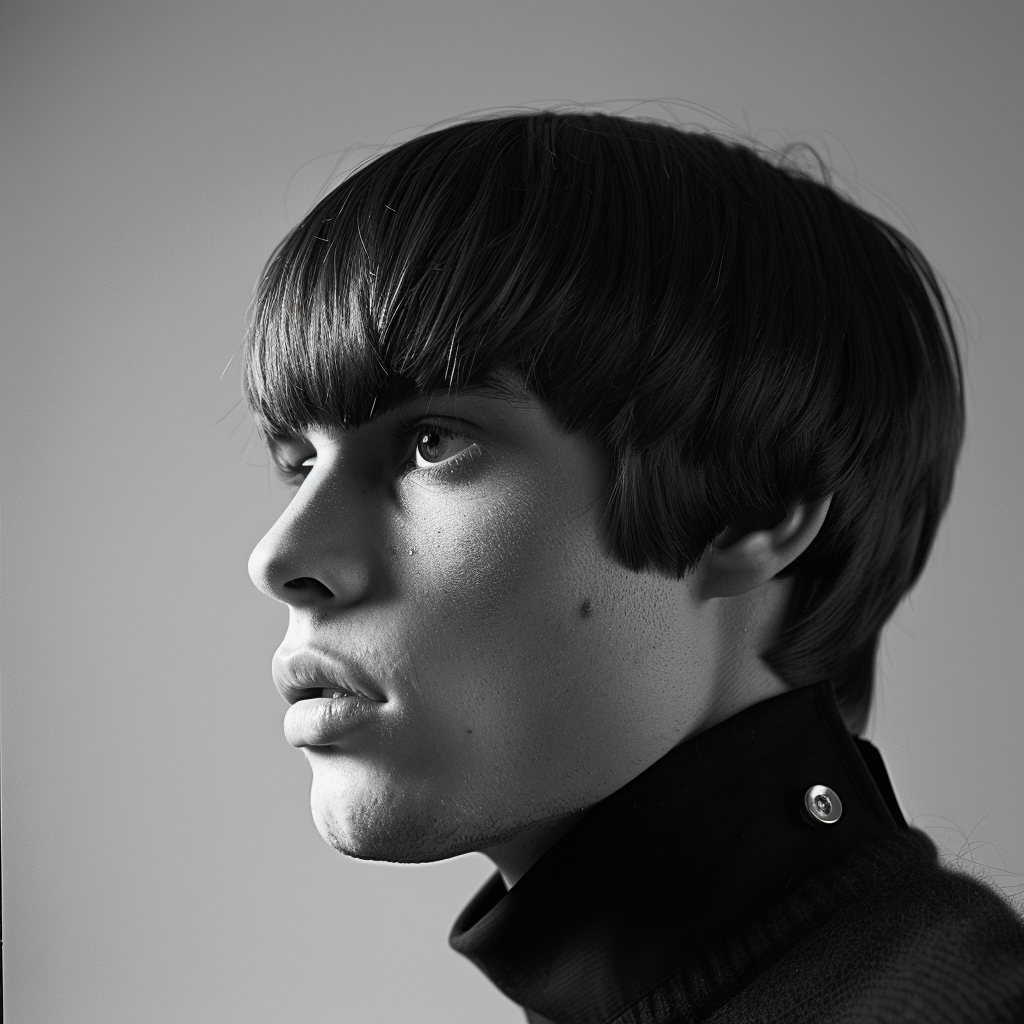
One of the most iconic figures associated with the mod cut is the legendary British band, The Beatles.
In the early 1960s, as the band skyrocketed to international fame, their adoption of the mod hairstyle catapulted it into the mainstream.
This endorsement by cultural icons helped solidify the mod cut as a symbol of youth rebellion and style.
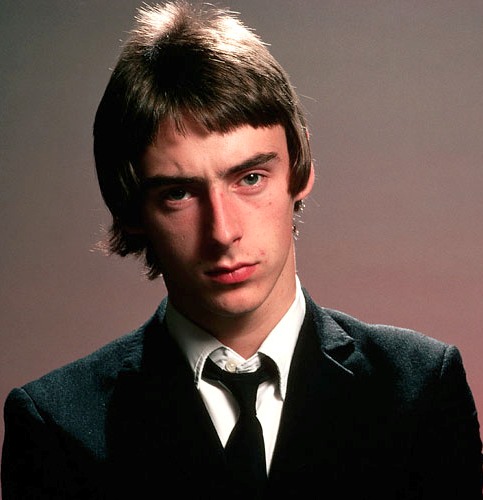
Another notable figure who popularized the mod cut was the singer Paul Weller from The Jam.
The Evolution of the Mod Cut
The 1960s and 1970s: The Golden Era
During the 1960s and 1970s, the mod cut underwent several variations and adaptations.
While the core elements of a clean, short cut with neatly combed hair at the top remained constant, men began experimenting with different lengths, textures, and sideburn styles.
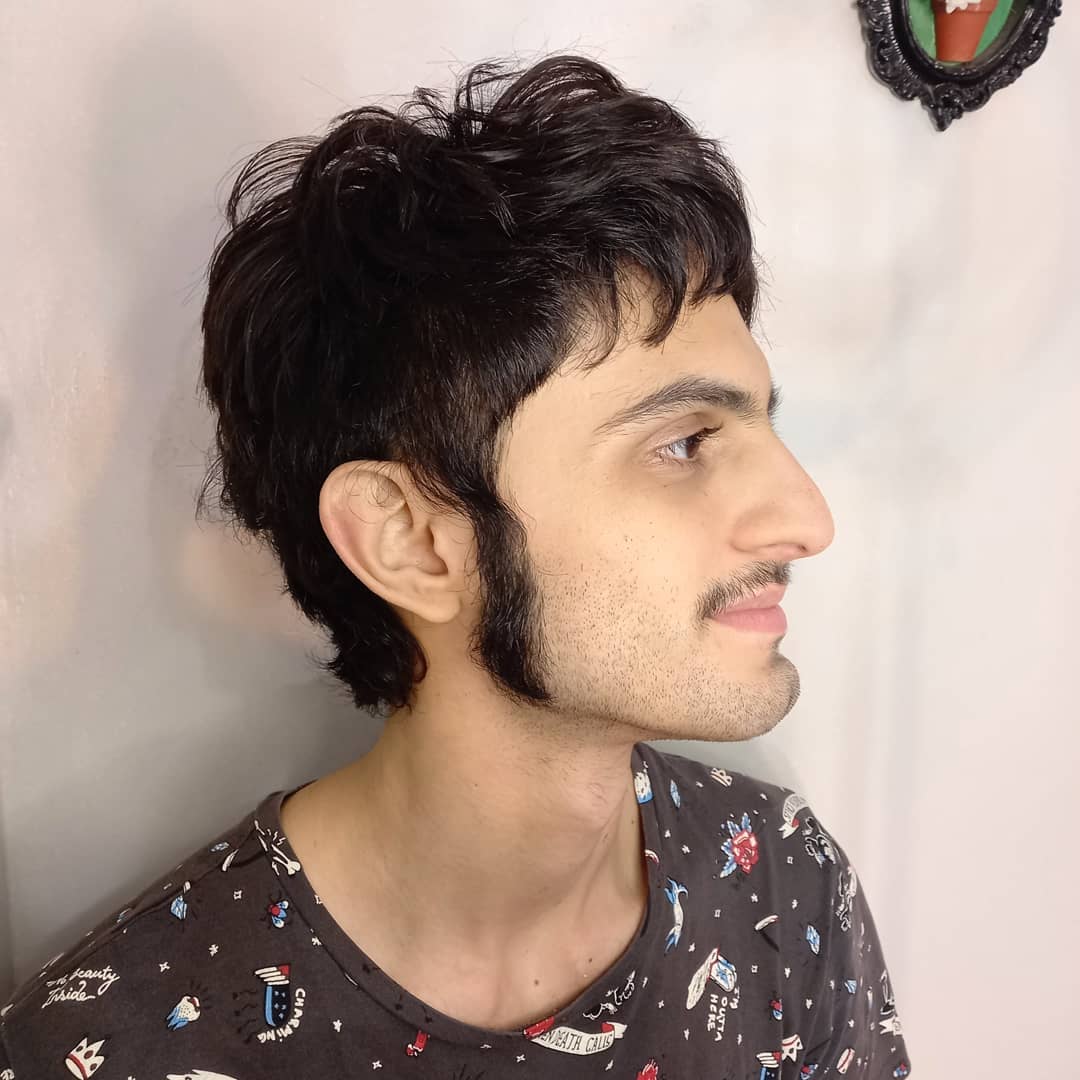
Sideburns, in particular, played a significant role in defining the mod cut during this era.
Some men opted for shorter, neatly trimmed sideburns that accentuated the clean lines of the hairstyle, while others embraced longer, more exaggerated sideburns as a form of self-expression.
The 1980s and 1990s: A Resurgence
The mod cut experienced a resurgence in the 1980s and 1990s as fashion tends to be cyclical, with styles from the past often making a comeback.
During this period, pop culture icons like George Michael and David Bowie sported modified versions of the mod cut that incorporated more volume and texture.
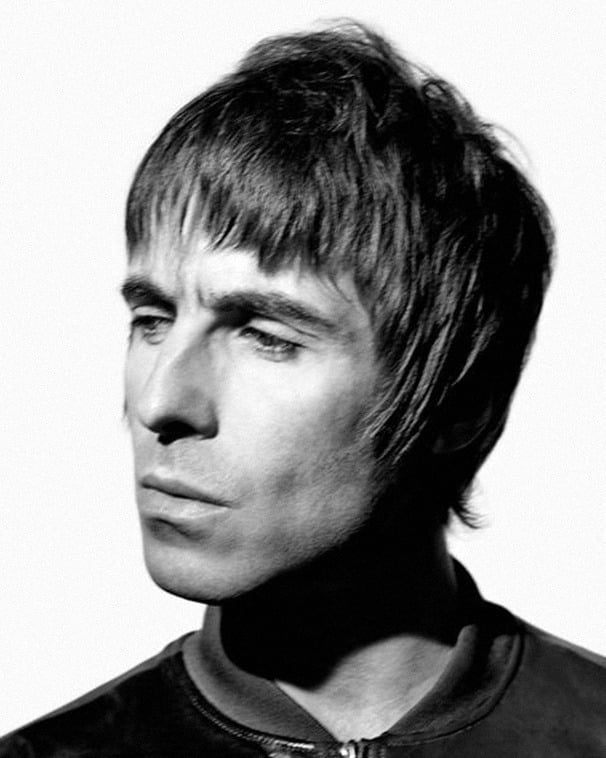
This gave the mod hairstyle a contemporary twist while paying homage to its iconic roots.
The 21st Century: A Modern Take
In the 21st century, the mod cut continues to thrive as a trendy and hip hairstyle for men.
Contemporary variations of the mod haircut often involve shorter sides and back with a slightly longer top, allowing for more versatility in styling.
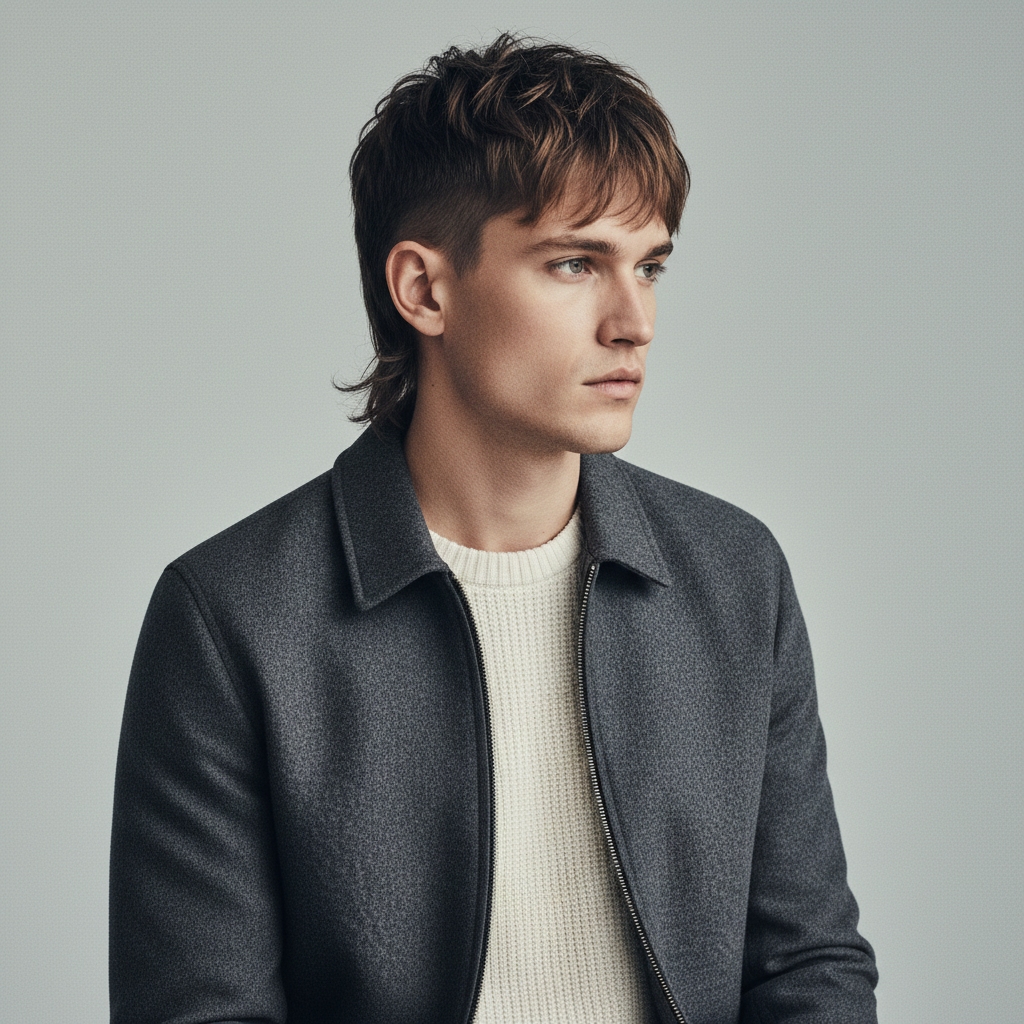
The modern mod cut adds texture for a more casual appearance, or even incorporates undercuts and fades for a modern edge.
The 2020s Mod Renaissance: Hollywood’s Hottest Trend
Hybrid Styles Define the Modern Era
The mid-2020s has witnessed something remarkable.
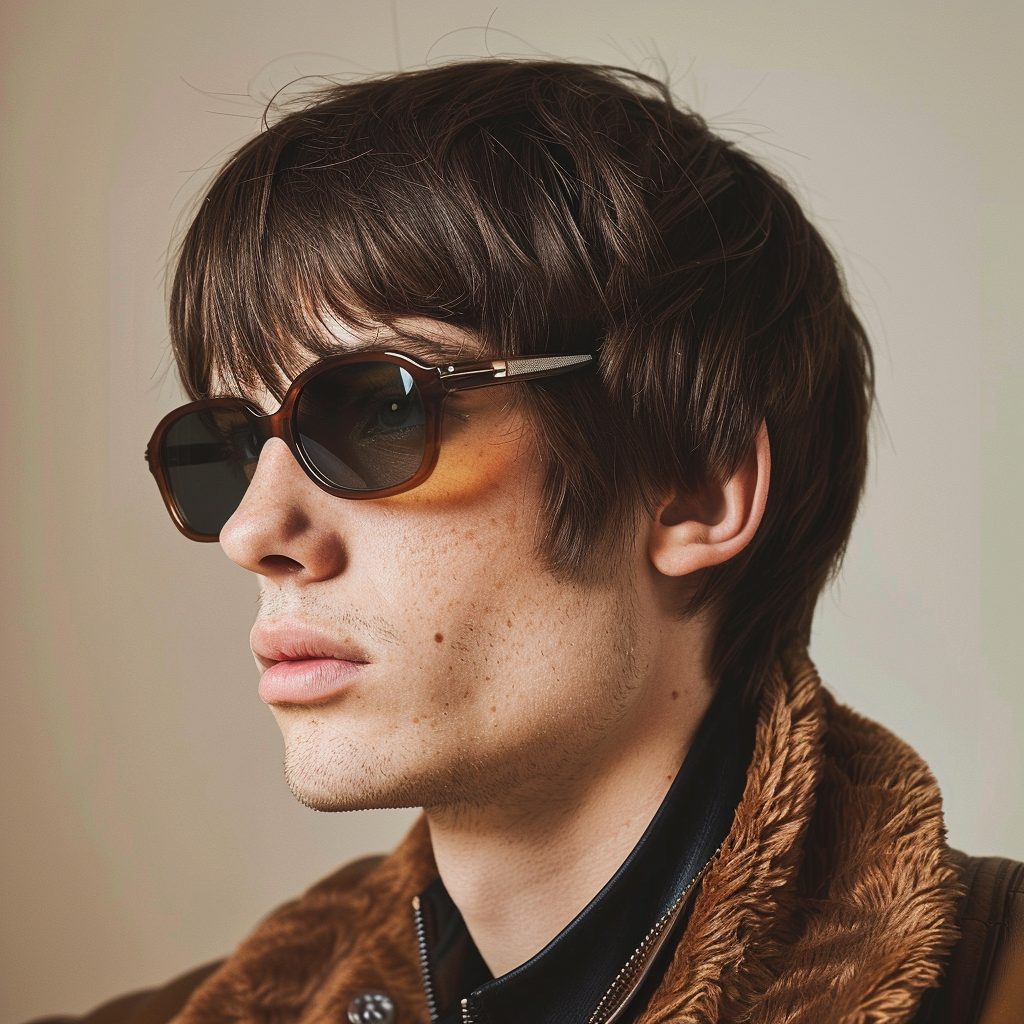
The mod cut is back, but it’s evolved into hybrid styles that blend classic mod principles with modern mullet elements.
Fashion magazines call it the “mini mullet“, “shullet” or short mullet. But these are modern shaggy mod cuts at their core.
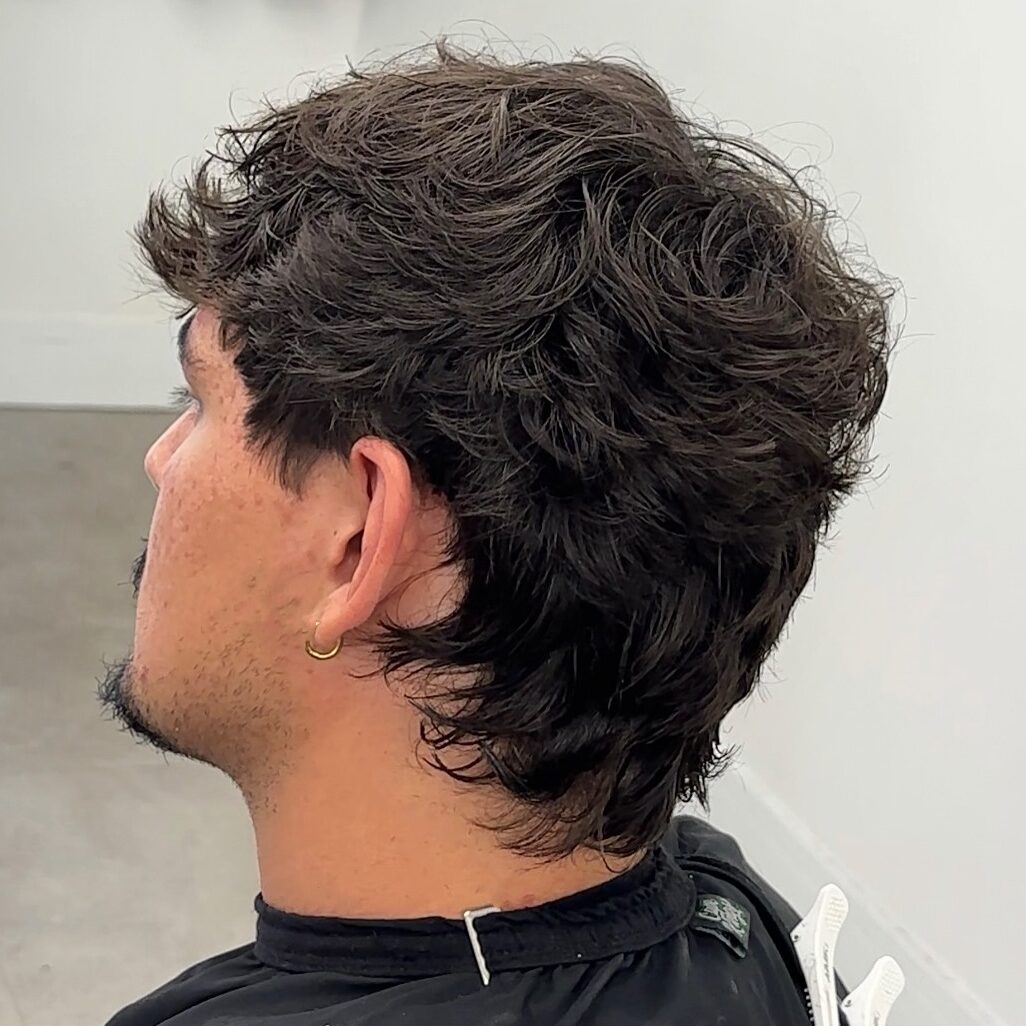
The hybrid approach is everywhere. Shorter sides meet textured tops that extend longer in the back. Sometimes fades blend the transition. Other times the contrast stays sharp.
This isn’t your grandfather’s mod cut. It’s not a traditional mullet either. It’s a fusion, the defining characteristic of contemporary men’s grooming.
Hollywood’s leading men have embraced these hybrid mod-mullet styles. Red carpets have become showcases for this evolution.
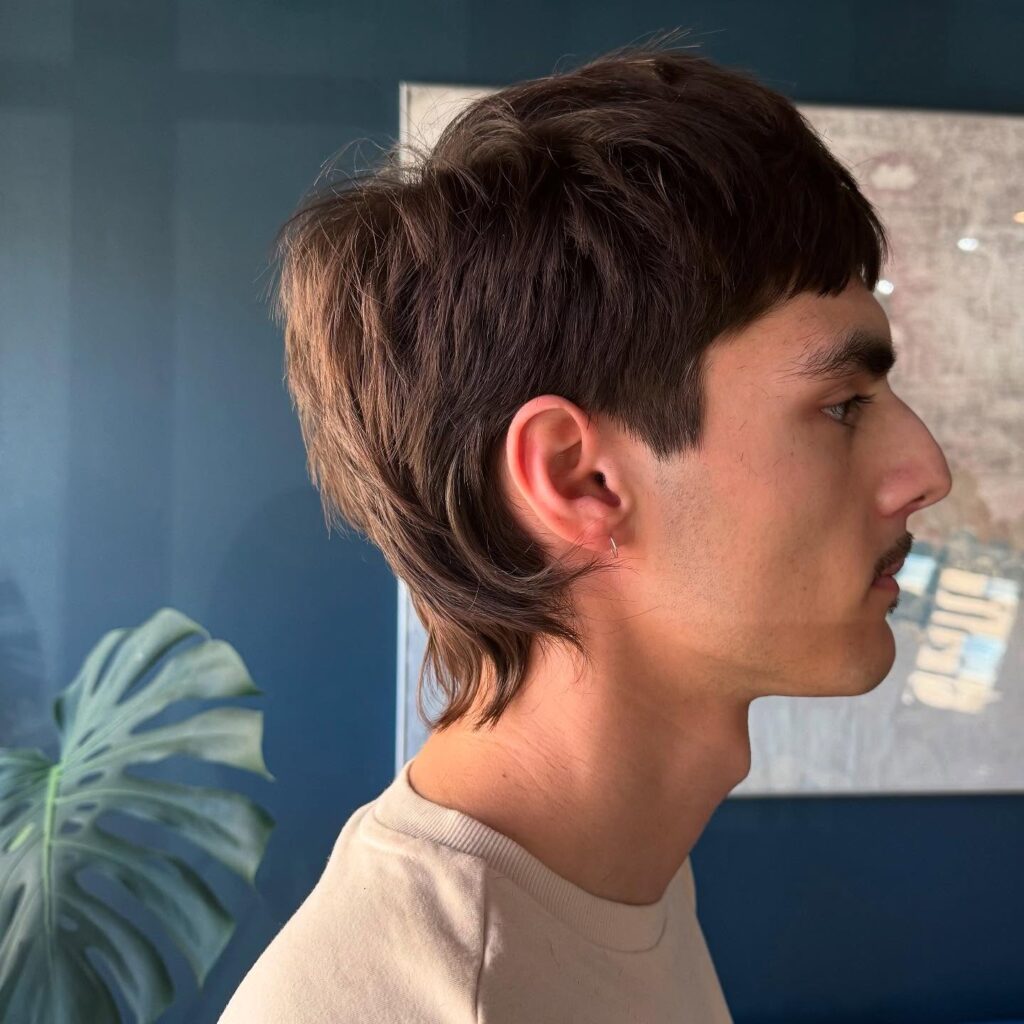
The 2025-2026 awards season showcased the hybrid mod-mullet everywhere.
Jacob Elordi wears the shaggy mod cut as his signature. His version features curly, textured layers. Hair stays shorter on the sides. Natural waves create volume on top. The back extends slightly past the collar. It’s romantic without being precious.
Connor Storrie embodies the disheveled hybrid aesthetic. His shaggy mod-mullet looks effortlessly cool. The texture feels natural, never overworked. It’s artfully messy. It’s the “It boy” version of the trend.
Why the Mod Cut Remains Trendy and Hip
Timeless Elegance
One of the key reasons for the enduring popularity of the mod cut is its timeless elegance.
The clean lines and sharp angles of the hairstyle convey a sense of sophistication and refinement.
It’s a hairstyle that exudes confidence and attention to detail, making it suitable for a wide range of occasions, from formal events to casual outings.
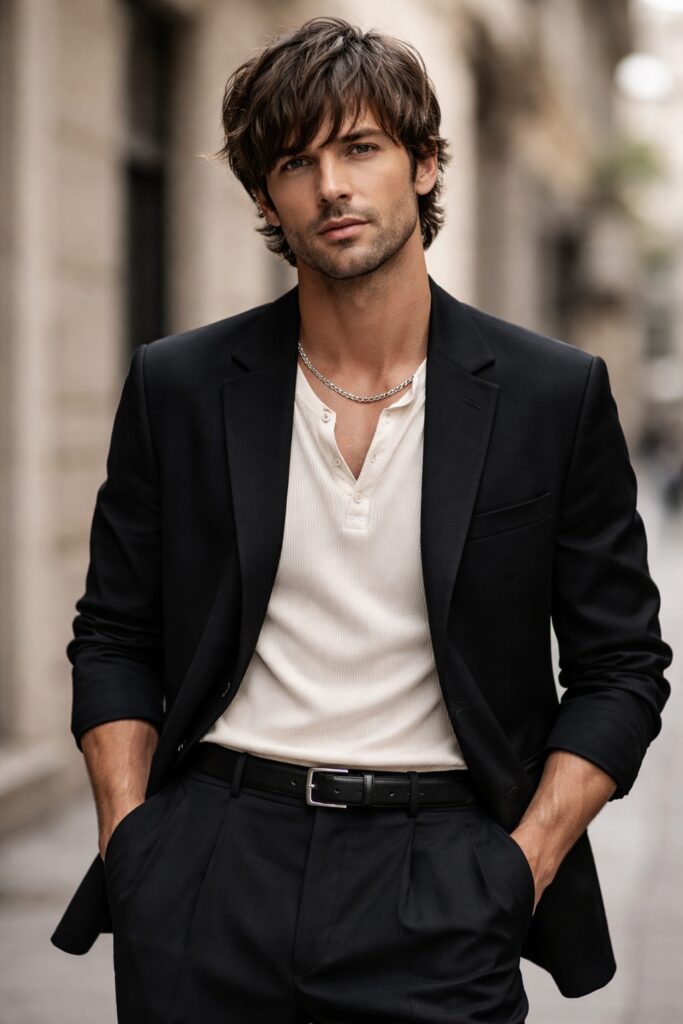
Versatility in Styling
The mod cut’s versatility in styling is another factor contributing to its trendiness.
Men can easily adapt this hairstyle to suit their personal preferences and the demands of different situations.
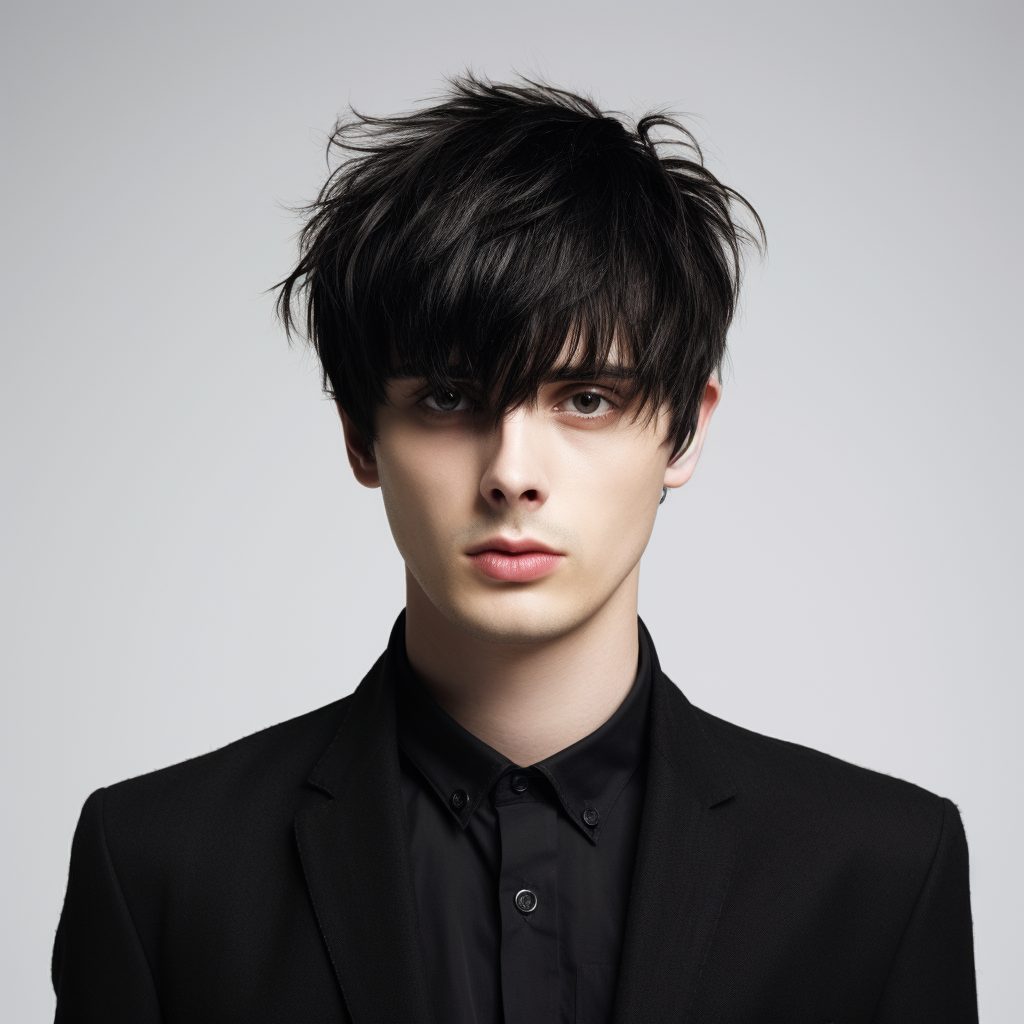
Whether it’s a slick and polished appearance for a board meeting or a more relaxed, tousled look for a night out with friends, the mod haircut can be effortlessly tailored to meet the occasion.
Iconic Appeal
The mod cut’s association with cultural icons of the past adds to its timeless appeal.
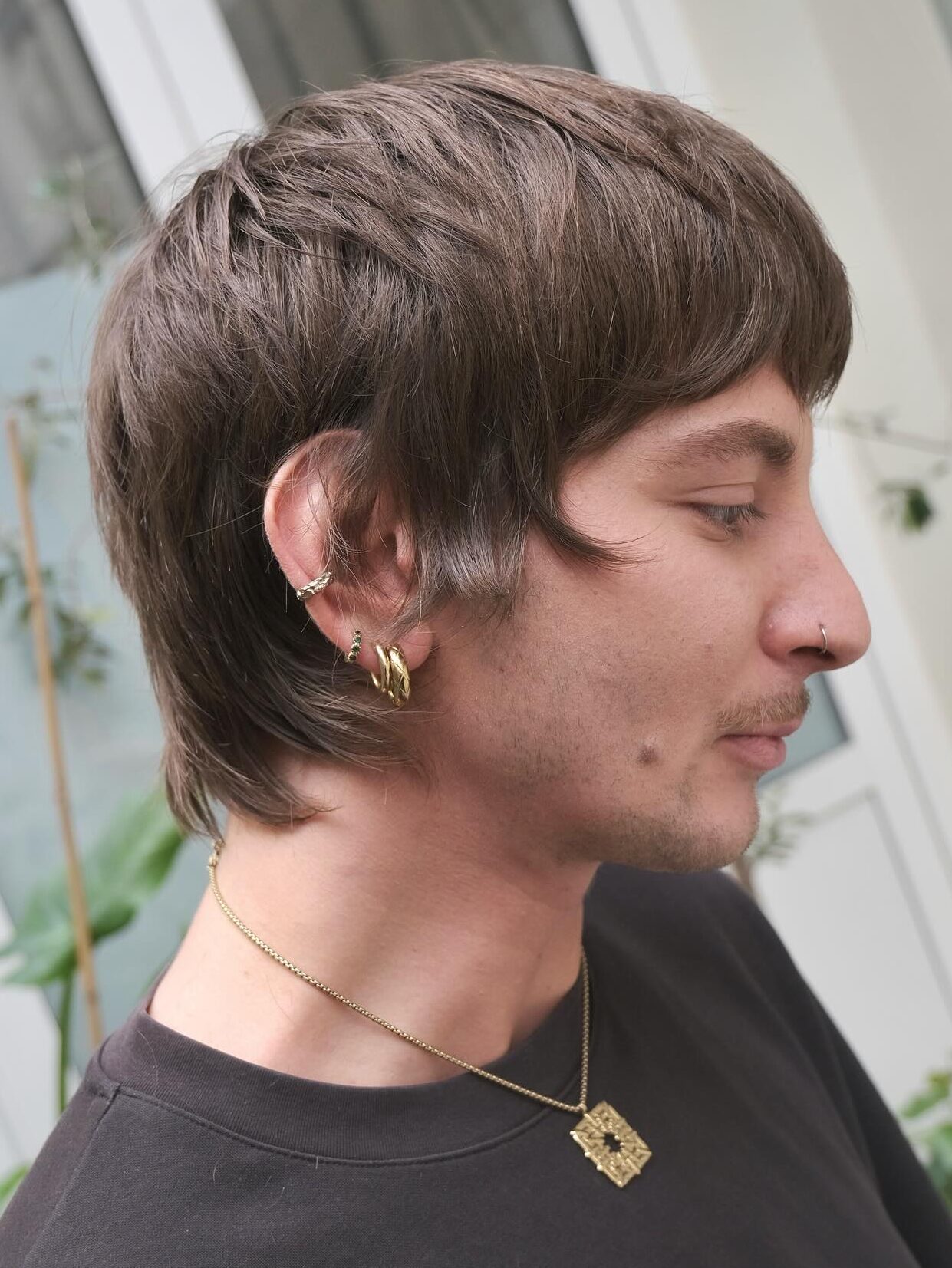
Choosing a hairstyle with such rich historical significance allows men to connect with the rebellious spirit and sense of style that definesd a generation.
Low Maintenance
In an era where convenience is highly valued, the mod cut’s low-maintenance nature is a significant advantage.
With the right cut and product, maintaining the mod hairstyle can be relatively simple.
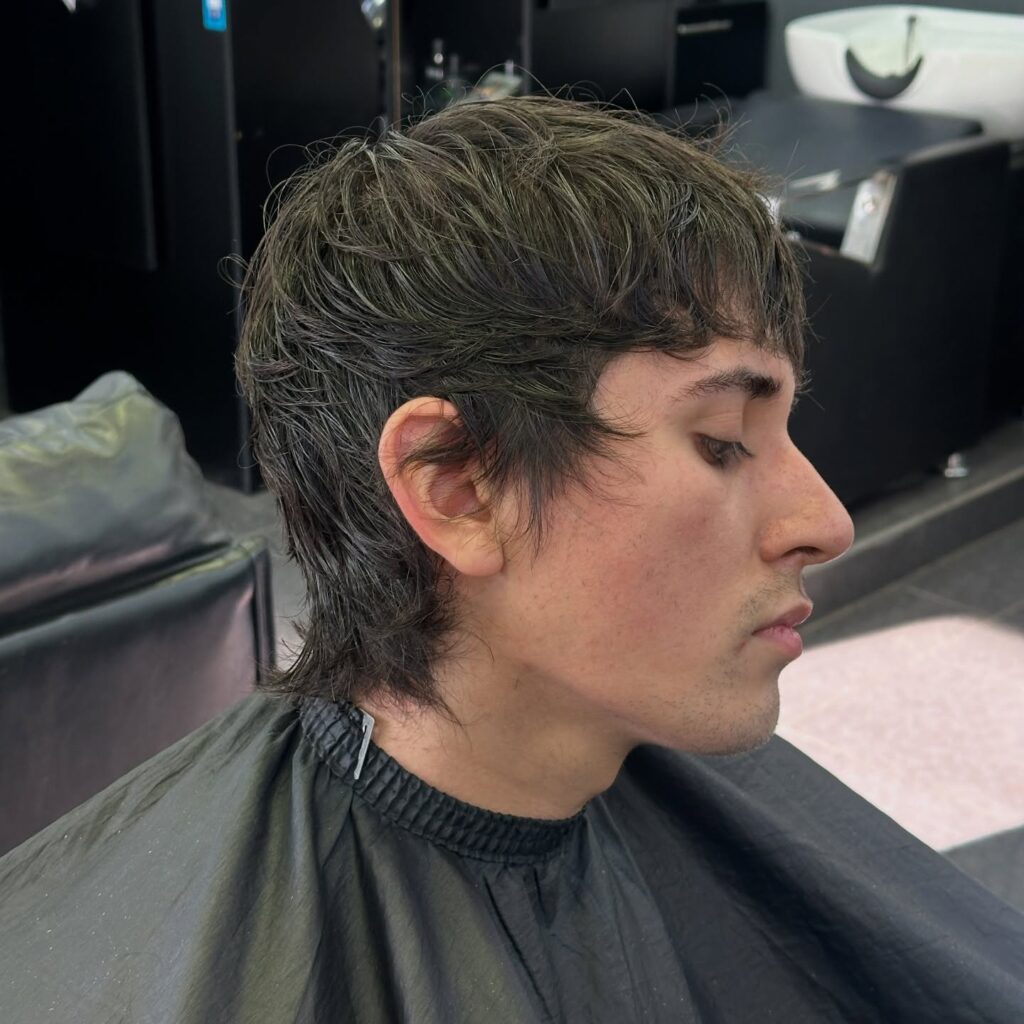
Regular trims to keep the sides and back short and some grooming product for the top are usually all that’s needed to keep this hairstyle looking sharp.
Cross-Generational Appeal
The mod cut’s ability to transcend generations is a testament to its universal appeal.
It is a hairstyle that can be embraced by men of all ages, from teenagers looking to make a statement to older gentlemen seeking a distinguished look.
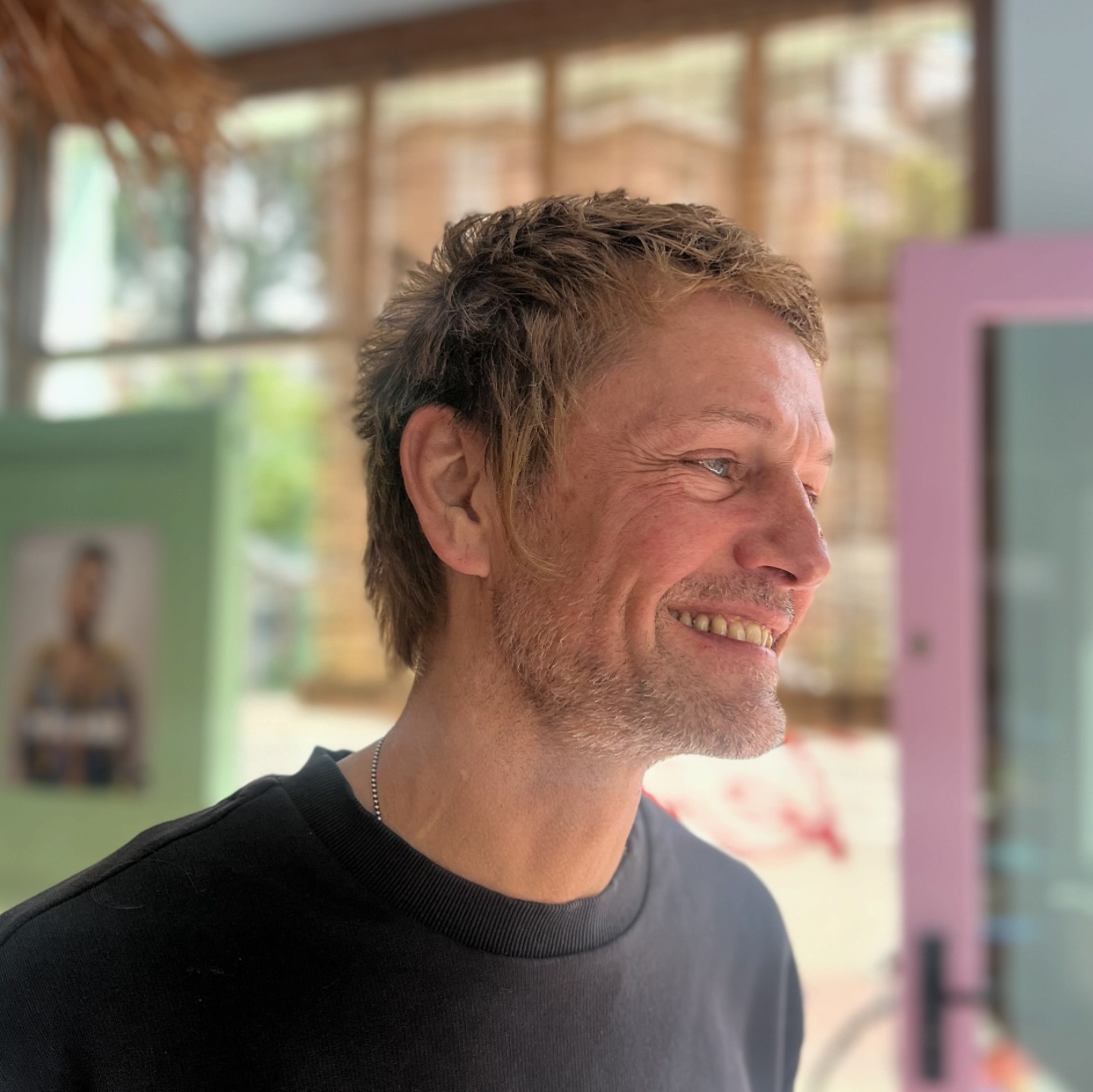
Its adaptability to different age groups further solidifies its status as a trendy and hip style.
Modern Mod Cut Variations for 2026
The hybrid trend has created distinct variations. Each one blends mod principles with contemporary elements.
The Textured Shaggy Mod-Mullet
This is the quintessential hybrid style. Hair stays shorter on the sides—typically clipper or scissor cut. The top maintains 3-5 inches of length. The back extends longer, creating that mullet element.
Layering throughout is essential. It creates movement. It prevents bulk. The result looks effortlessly tousled.
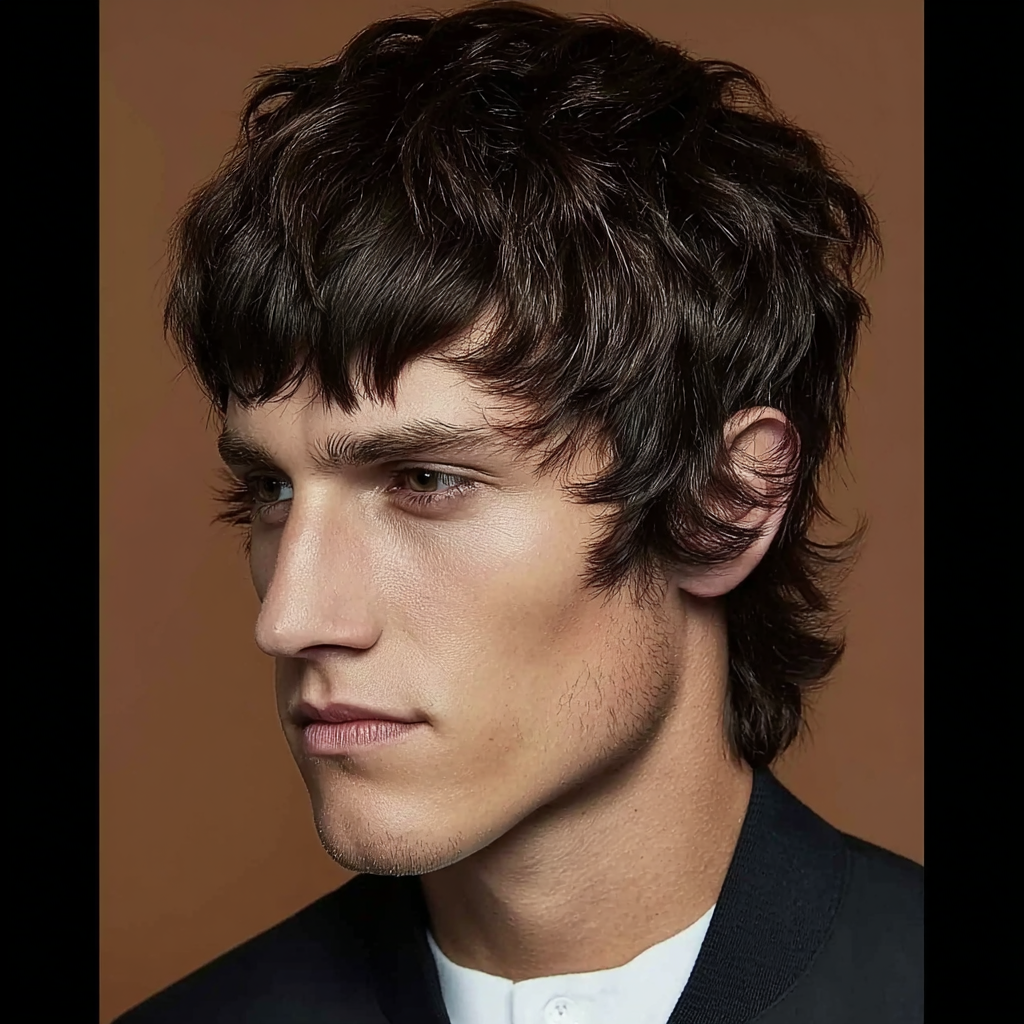
Wavy or curly hair thrives with this cut. Natural texture enhances the shaggy aesthetic. Jacob Elordi has perfected this version.
The Modern Bowl Mod
The Beatles’ bowl cut gets an update. The rounded silhouette stays. The blunt edges don’t.
Modern texturizing techniques break up the line. Point cutting adds movement. The result retains the iconic shape without the helmet-like appearance.
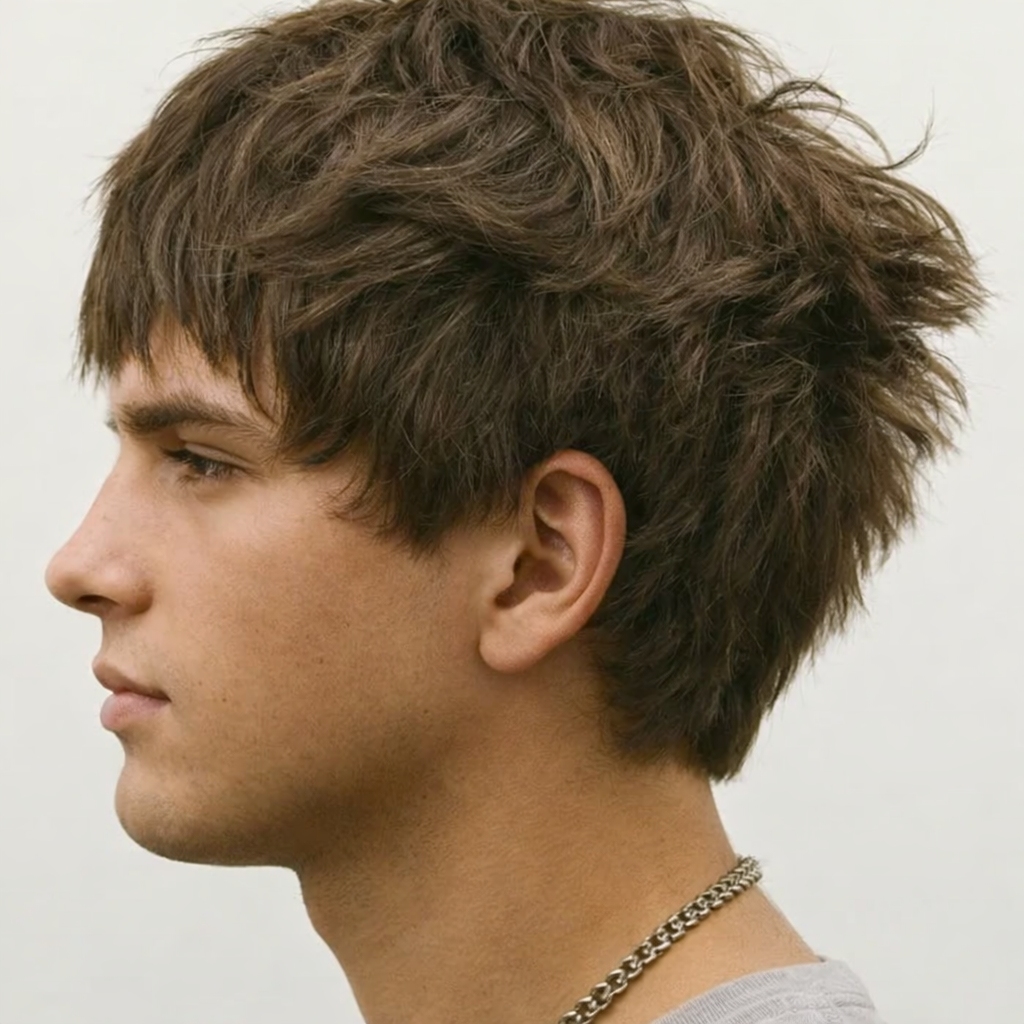
The sides stay relatively short. The top forms that soft curve around the head. Volume and texture make it contemporary. Joe Keery demonstrates this perfectly.
The Mini Mod (Compact Hybrid)
The baby mullet in its truest form. Everything stays compact.
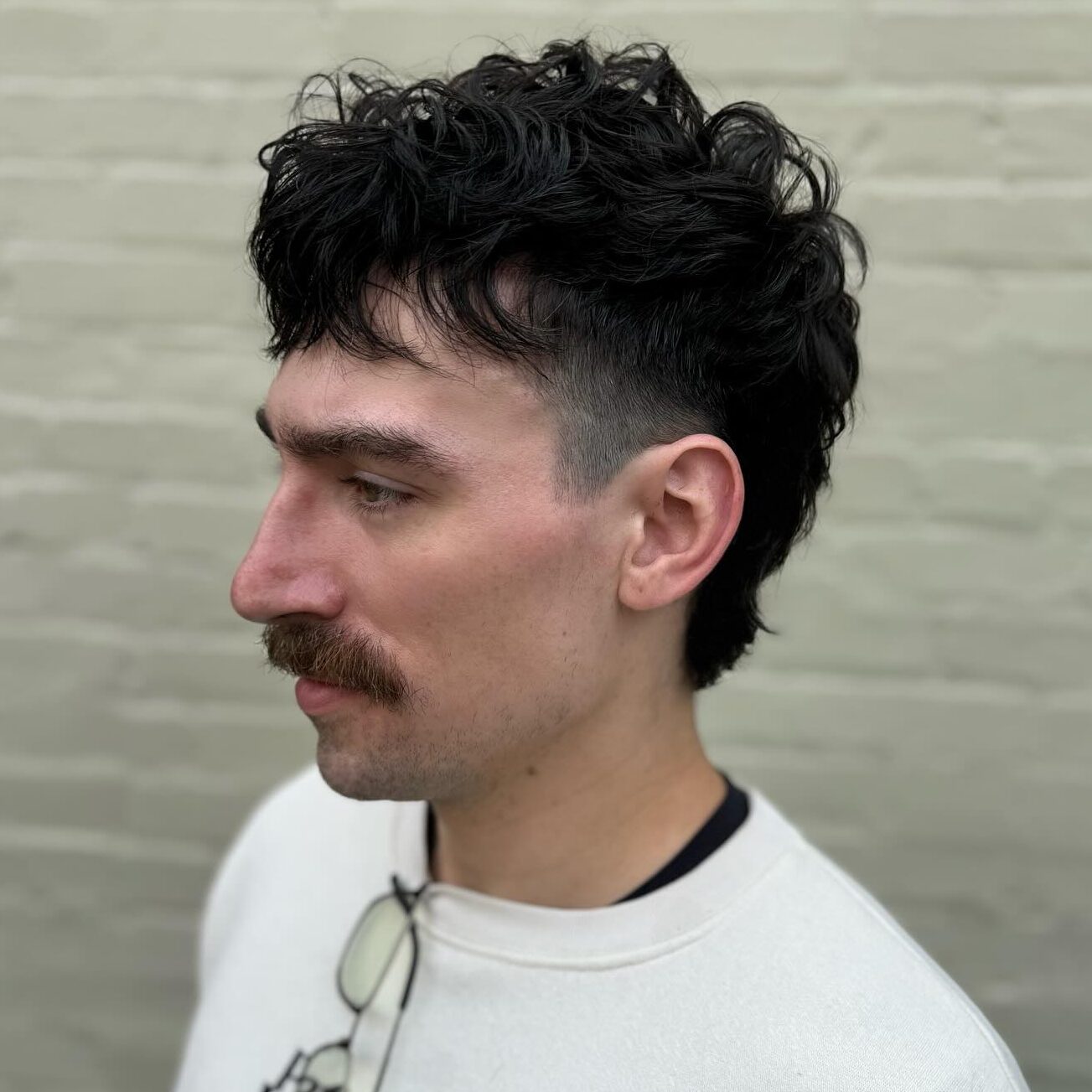
Sides get a low to mid fade. The top measures 1.5-2.5 inches. The back extends just past the nape. It’s the mod-mullet hybrid without commitment to length. Perfect for testing the waters. Less length, full style.
The Disconnected Hybrid
This creates stark contrast. The most dramatic hybrid interpretation.
Sides go very short. Buzzed or faded tight. The top and back stay dramatically longer. The disconnect between lengths makes a statement.
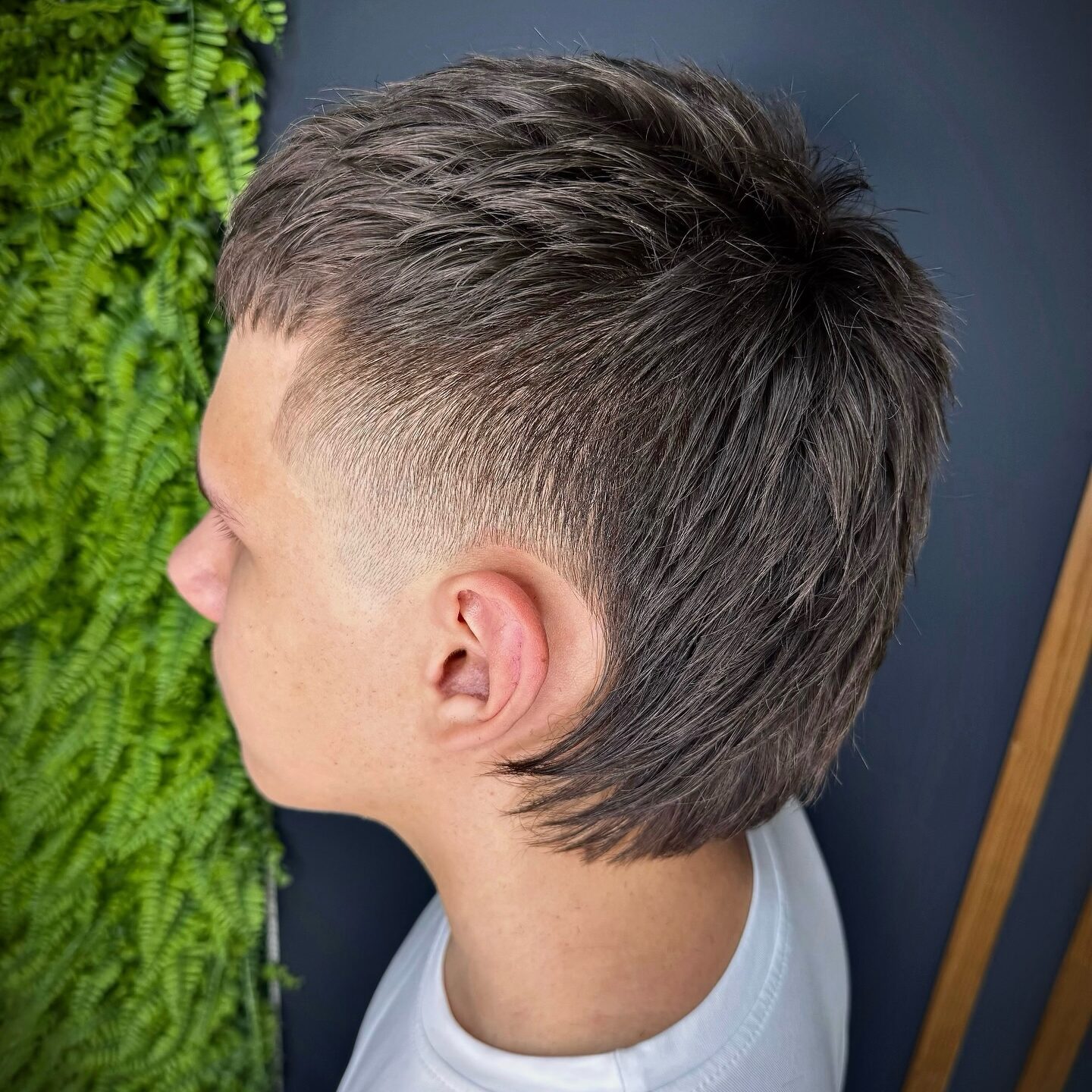
It’s bold. It’s modern. Maximum versatility follows. Slick it back for formal events. Tousle it for casual settings. The contrast enables both.
The Curly Hybrid Mod
The original mod era often fought natural texture. Today’s version celebrates it.
Sides stay manageable. Either kept short or controlled with product. Curls on top and back spring freely. The hybrid element comes from the contrast.
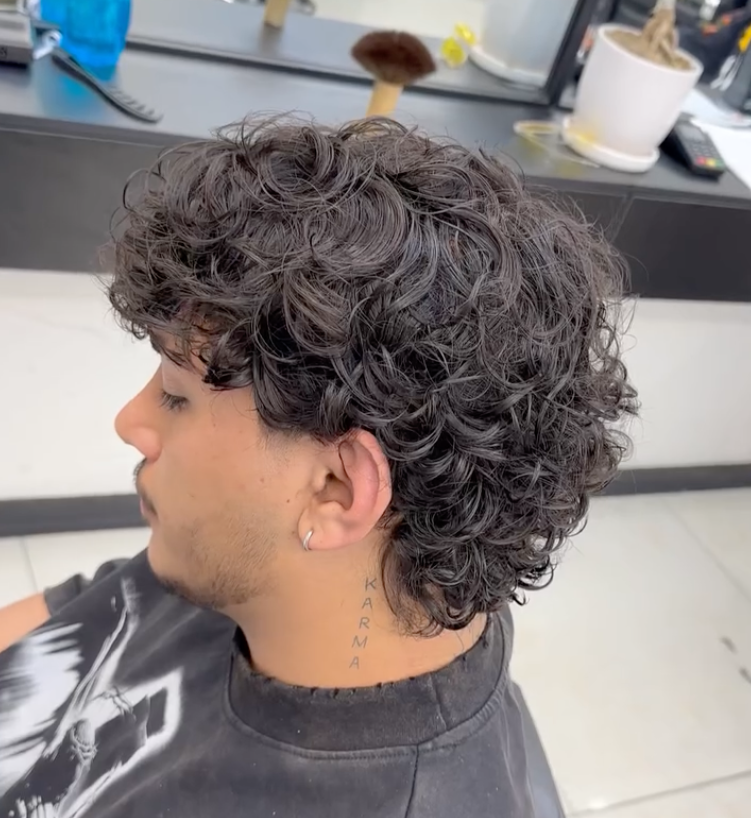
It’s softer. More romantic. The mod structure meets curl freedom. Work with your texture, not against it.
Getting the Perfect Mod Cut
Consultation with a Skilled Barber
The perfect mod cut starts with consultation. Find a skilled barber who understands hybrid styles.
Not all faces are the same. A good barber considers your face shape. They assess your hair texture. They understand your style preferences.
Bring reference photos. Visual references give your barber clear direction. They understand the proportions you want. They see the styling you’re aiming for.
Understanding Your Hair Type
Modern hybrid mod cuts work with all hair types. The approach differs based on your natural texture.
Straight Hair: Needs layering and texturizing. This creates movement. It prevents flat appearance. Ask your barber for point cutting. Or slide cutting techniques. Both add dimension.
Wavy Hair: Naturally suited for the shaggy hybrid aesthetic. Find the right length. Let waves form without excessive bulk. Usually 3-4 inches on top works perfectly.
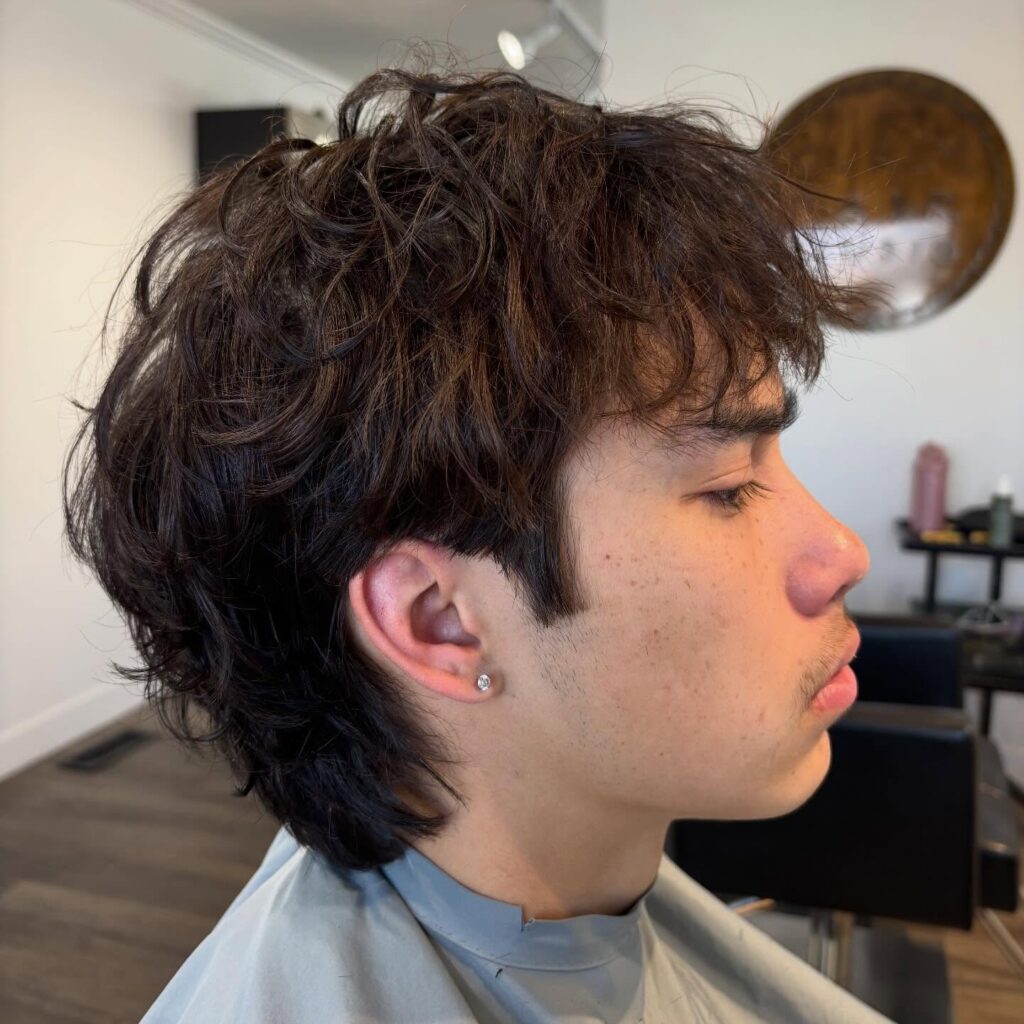
Curly Hair: Requires experienced curly cutting techniques. Cut it dry. See how curls naturally fall. Keep sides short enough to manage volume. Let the top celebrate your natural texture.
Thick Hair: Needs additional thinning. Texturizing prevents bulk. Internal layering removes weight. The overall shape stays intact.
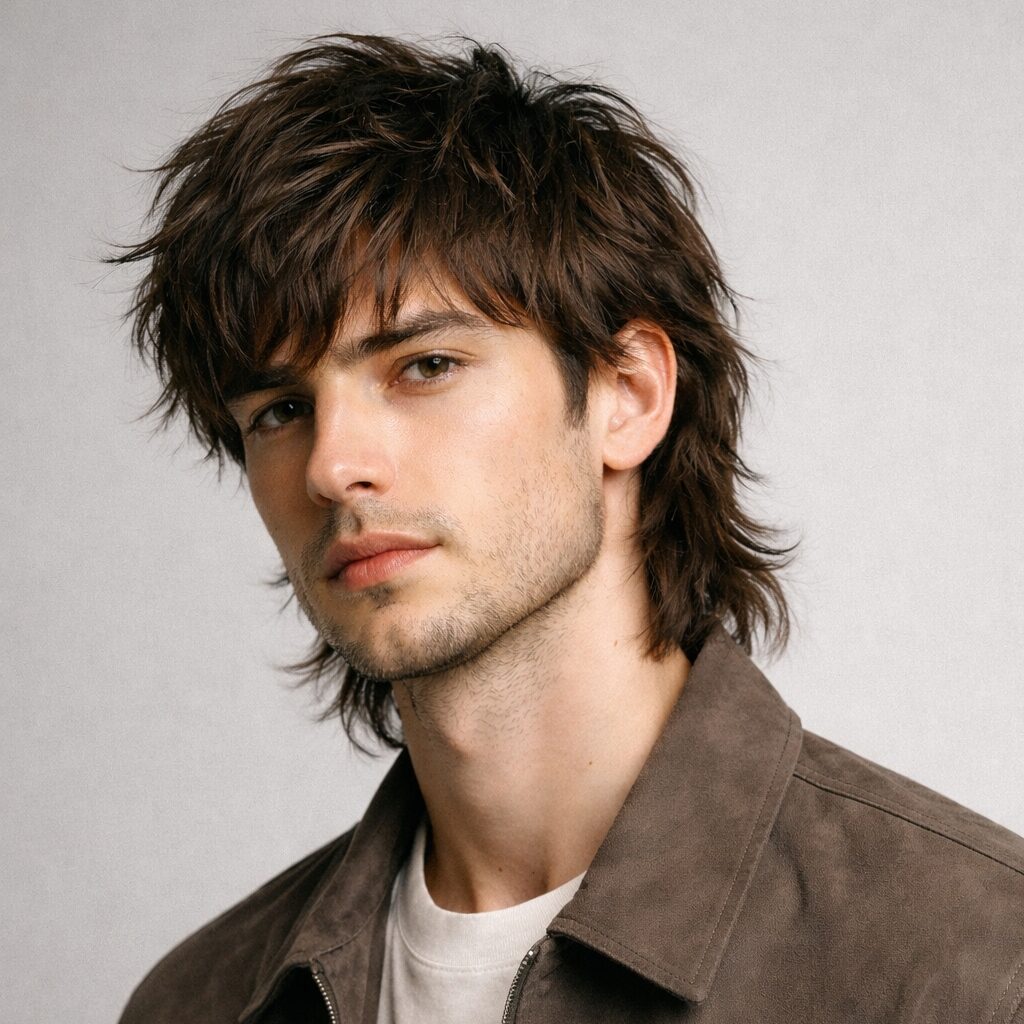
Fine Hair: Works beautifully with hybrid mod cuts. Shorter sides create density illusion. Avoid over-layering the top. Fine hair can appear wispy. Maintain some weight for fuller appearance.
Styling Products
The right products maintain your hybrid mod cut’s shape and texture.
Traditional polished versions need pomade or hair wax. These provide hold and shine. That slicked-back finish requires them.
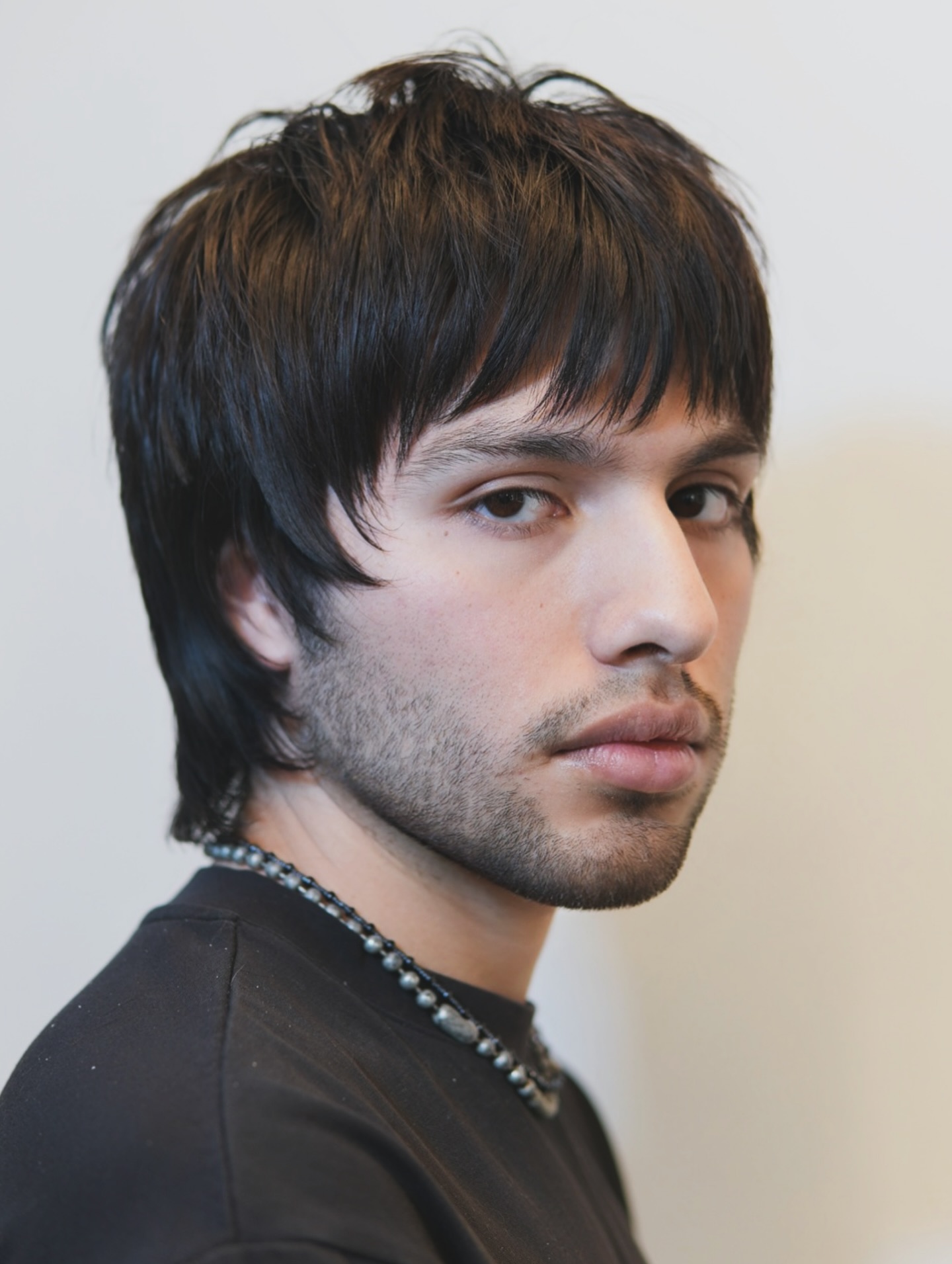
Modern shaggy hybrid variations want different products. Think texture over hold. Natural movement over stiff control.
Sea salt sprays create that tousled look. They add grip without weight. Lightweight styling creams define texture. They don’t weigh hair down.
Apply to damp hair. Air-dry for maximum texture. Or use a blow dryer with diffuser. This enhances natural wave patterns.
Regular Maintenance
Keep your hybrid mod cut looking sharp with regular maintenance.
Visit your barber every few weeks. Keep sides and back neat. Keep proper shape intact. Stock up on styling products. Maintain your look daily.
Modern versions with longer tops need less frequent visits. Every 4-6 weeks works for shaggy hybrid styles. They actually look better with some growth. That “grown-in” aesthetic is intentional.
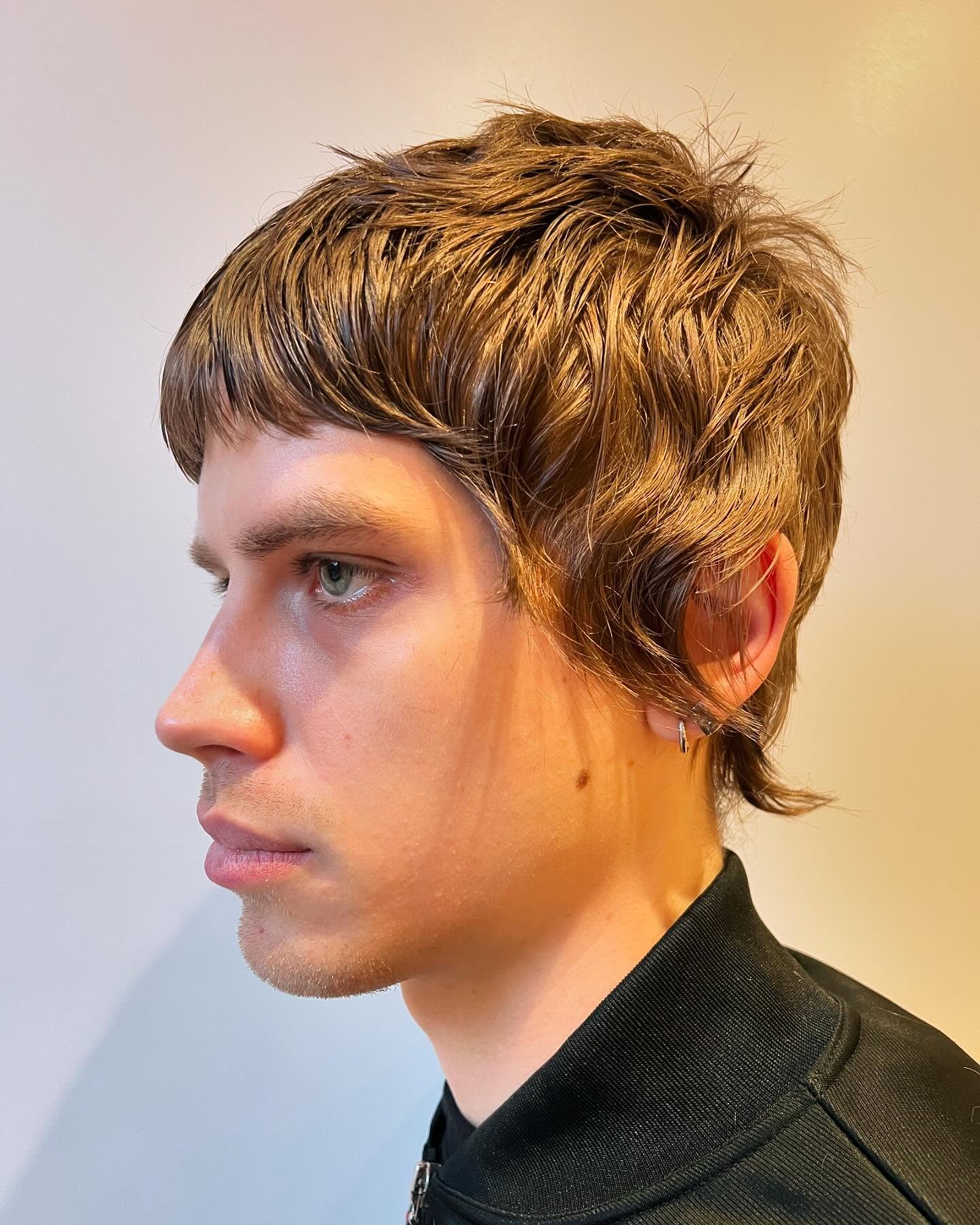
Clean lines, rounded shape, and natural texture that lets the cut speak for itself by barber @hairjordan
Structured versions like the polished prep mod require tighter timelines. Book every 3-4 weeks. This keeps the shape crisp. It maintains defined lines.
The mod cut for men is more than just a hairstyle; it’s a timeless and iconic fashion statement that has transcended generations.
From its rebellious roots in the 1960s to its continued popularity in the 21st century, the mod cut remains a trendy and hip choice for men who appreciate its timeless elegance, versatility, and iconic appeal.
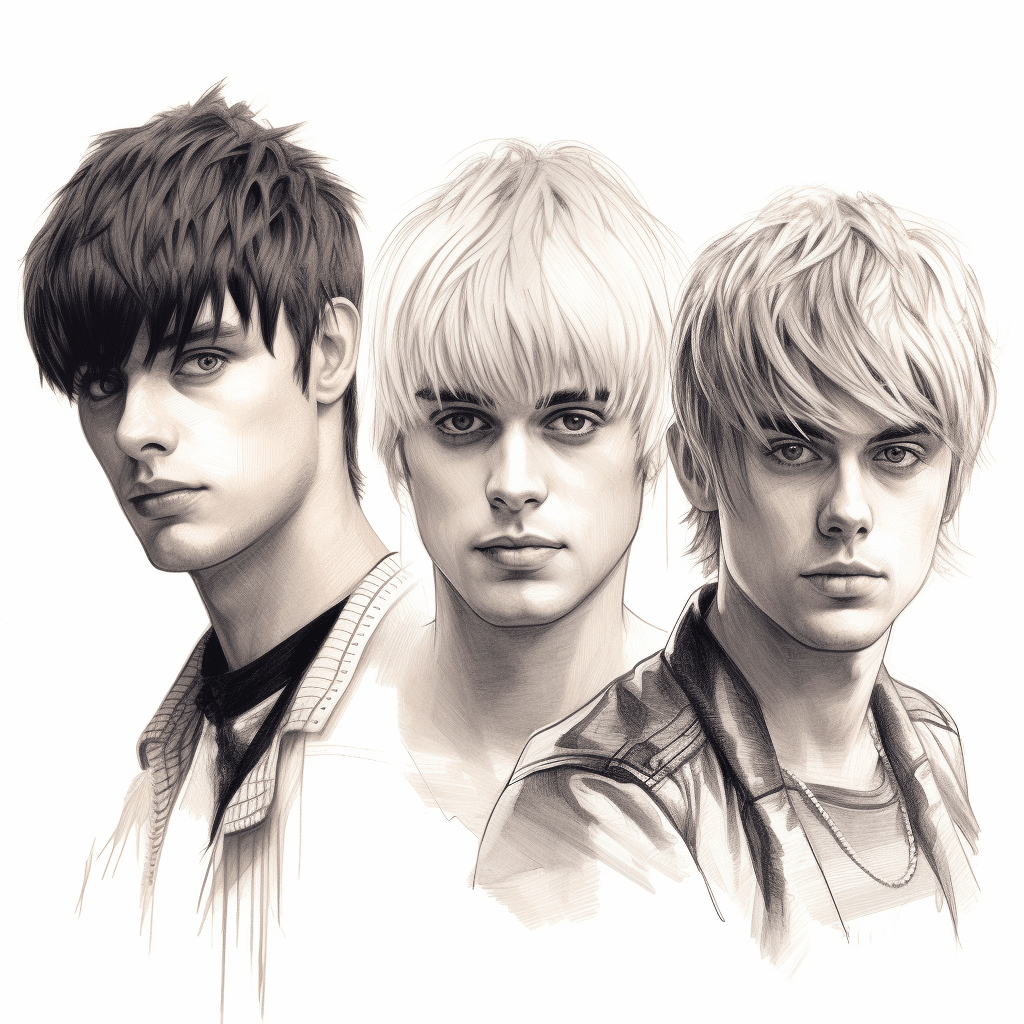
Whether you’re a young man looking to make a bold fashion statement or an older gentleman seeking a distinguished and stylish look, the mod cut can be tailored to suit your needs.
So, why not embrace this classic mod haircut and let your hairdo speak volumes about your timeless sense of style and appreciation for fashion history?
The mod cut is not just a hairstyle; it’s a symbol of rebellion, sophistication, and enduring coolness that will never go out of fashion.
Musicians and the Mod Cut Hairstyle: A Symbol of British Indie Rock
The “mod cut” has been a distinctive and influential hairstyle, particularly within the realm of British indie rock since the 1960s.
The mod hairstyle, often associated with the broader cultural “mod movement,” is characterized by its neat, sharp, and stylish appearance. It reflects a clean-cut image, usually featuring closely cropped sides and a slightly longer, textured top.
This hairstyle not only embodies the aesthetics of the mod culture but also symbolizes a blend of music, fashion, and rebellious youth identity.
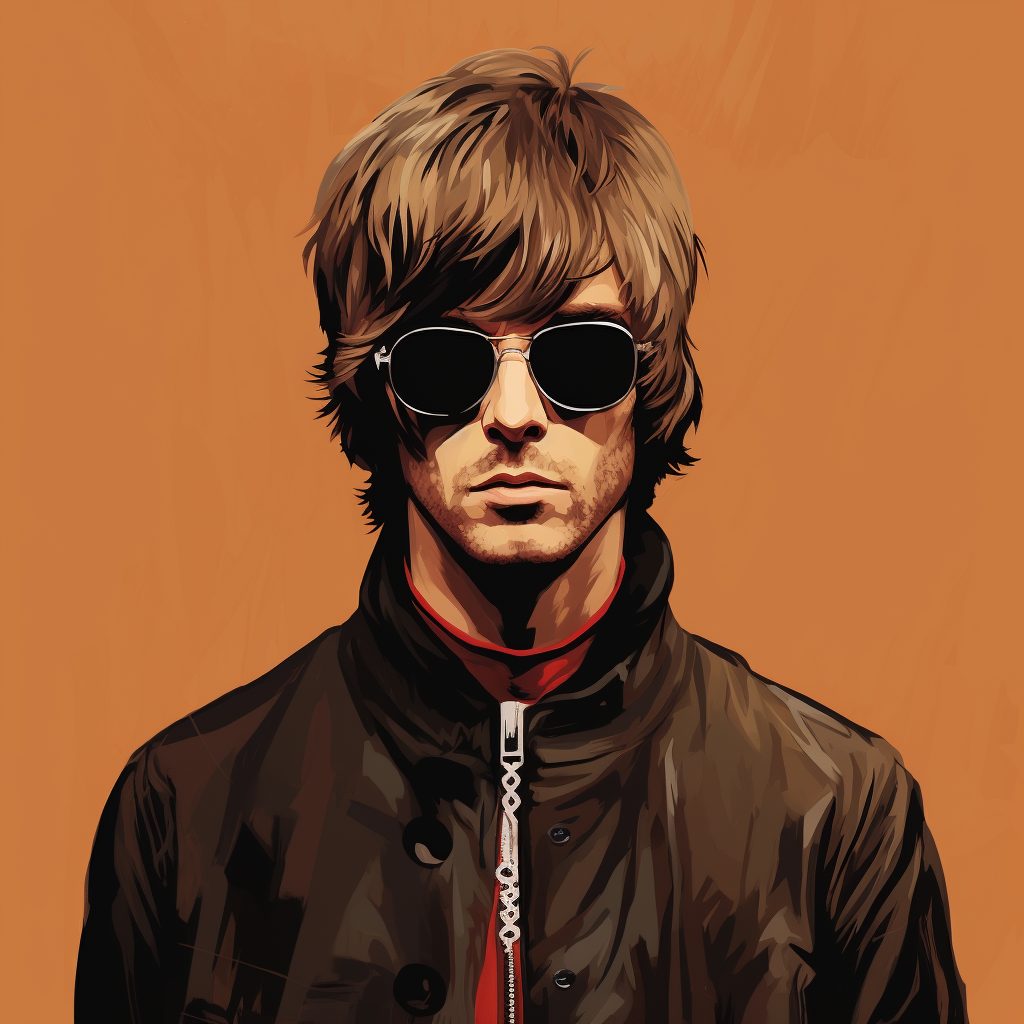
Musicians, especially those from British indie rock bands, adopted the mod cut as a symbol of their alignment with mod culture’s emphasis on modernity and style.
This connection between hairstyle and musical genre highlights how physical appearance can be integral to genre identity and group cohesion.
The mod cut became synonymous with the image of the cool, urban young adult, often riding scooters, wearing tailored suits, and embracing modern jazz, soul, and R&B music.
Some notable bands and musicians that have sported the mod hairstyle include:
- The Who – Perhaps the most quintessential mod band, The Who’s early look featured mod cuts which played a significant part in their identity and helped define the mod scene musically and visually.
- The Small Faces – Known for their sharp mod style, The Small Faces embraced the mod haircut alongside their music, influencing later generations.
- Paul Weller – Initially with The Jam and later as a solo artist, Weller has been a key figure in mod culture and often sports a hairstyle that reflects classic mod sensibilities.
- Oasis – While they emerged much later than the original mod period, the influence of mod culture is evident in their music and the hairstyles of Liam and Noel Gallagher, which echoed the mod aesthetic.
The mod cut’s endurance and adaptation through decades highlight its timeless appeal and significant impact on fashion and music. This hairstyle not only connects generations of musicians but also serves as a cultural symbol of a specific, enduring aesthetic within the British indie scene.
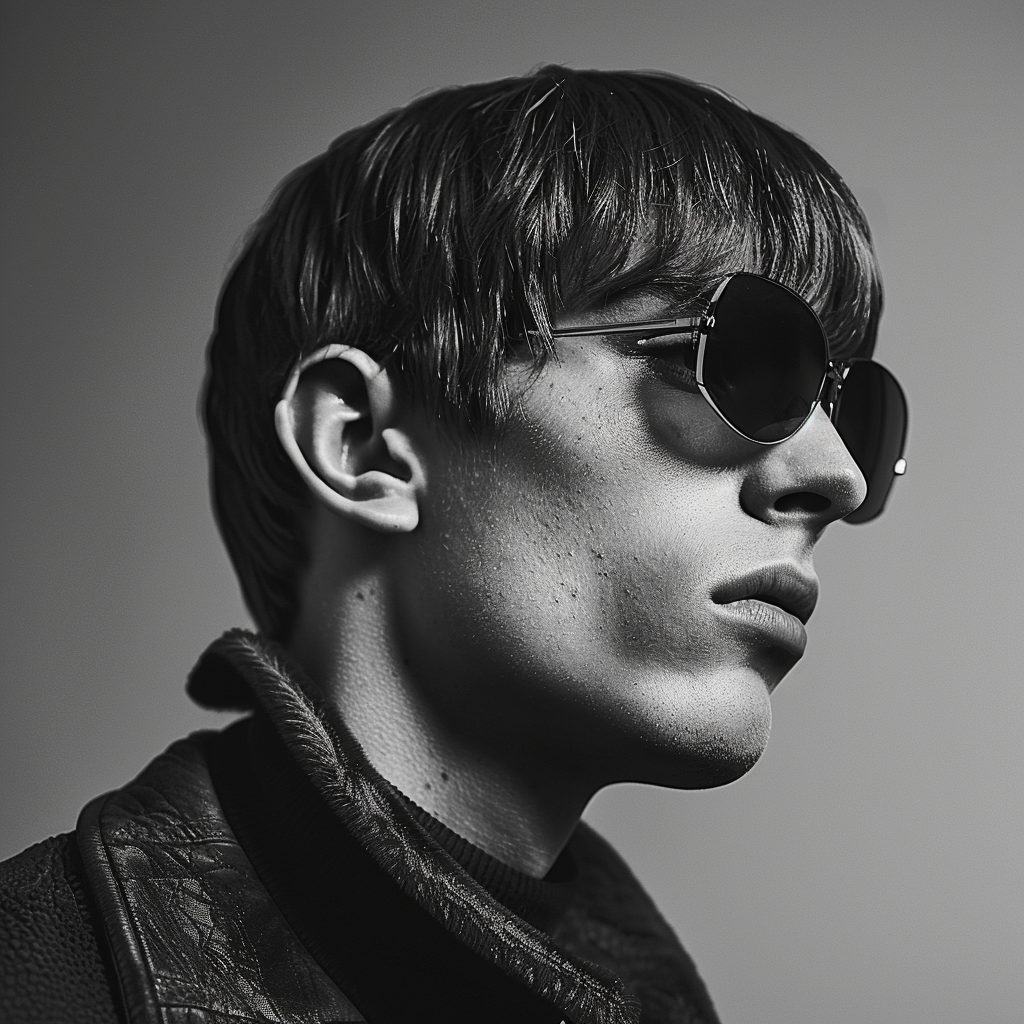
The Mod Movement: Culture, Style, and Influence
The Mod movement, which began in the late 1950s and reached its peak in the mid-1960s, was a significant youth culture phenomenon in Britain that had profound impacts on fashion, music, and lifestyles.
It emerged as a subculture from the “modernists,” who were young people determined to break from the more conservative styles of the previous generation and to embrace new, innovative ways of expression.
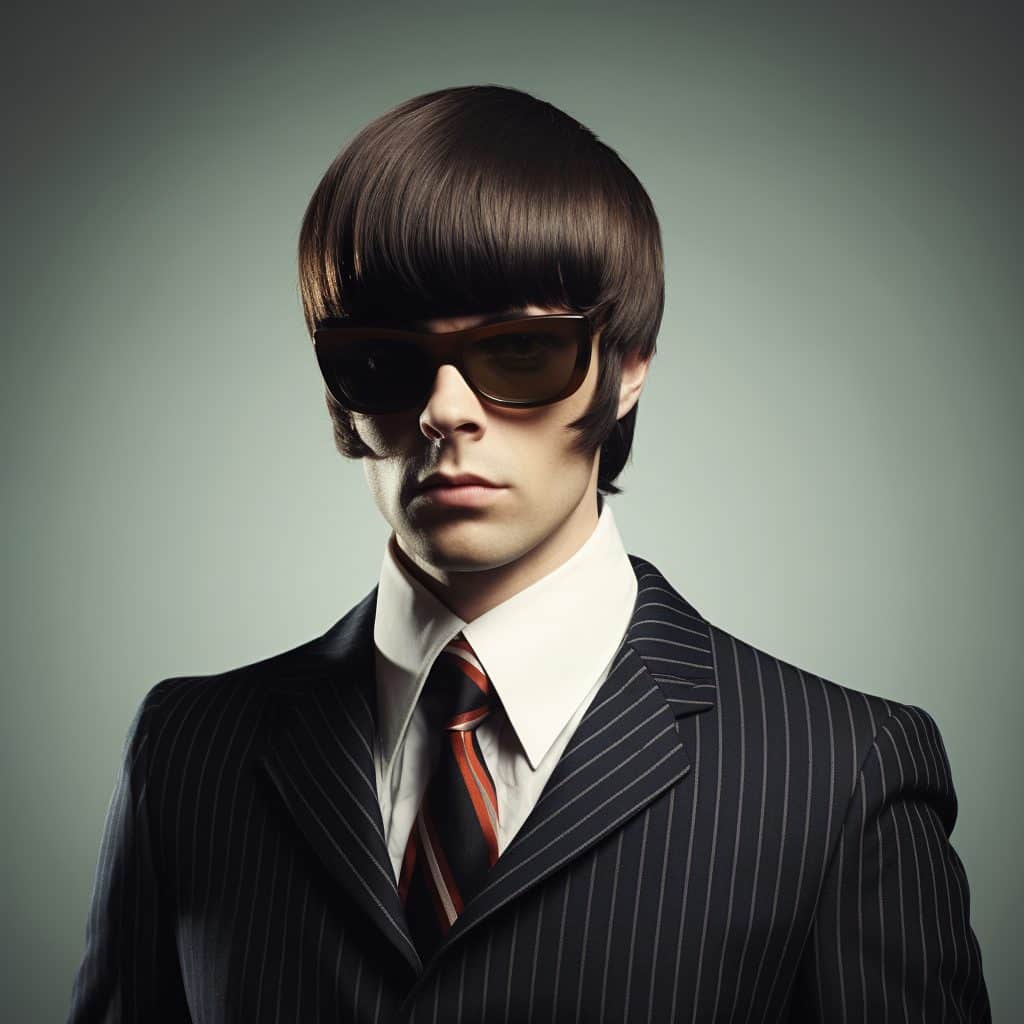
Origins and Development
The term “Mod” derives from “modernist,” a term used in the 1950s to describe modern jazz musicians and fans. This group distinguished themselves from the “trad” (traditional jazz) followers, emphasizing sophistication in both music and fashion.
The early Mods were obsessed with style, status, and music, drawing influences from Italian and French cinema and the tailored sophistication seen in European menswear.
Mod Fashion and Style
Fashion was one of the most recognizable aspects of the Mod culture. Mods favored sharp, tailored suits influenced by Italian fashion, slim ties, button-down shirts, and sleek, polished leather shoes.
They also popularized the parka jacket, initially adopted for practical reasons, to protect their clothes while riding scooters.
Female Mods wore mini skirts, shift dresses, and made extensive use of make-up, styles that were revolutionary at the time and led by designers like Mary Quant.
Music
Music played a pivotal role in Mod culture, with a particular emphasis on modern jazz, R&B, soul, and the emergent sounds of ska from Jamaica.
These genres were seen as more sophisticated and urban compared to the rock ‘n’ roll that was popular at the time.
As the movement evolved, Mods became associated with bands that would come to define the 60s sound, such as The Who, The Small Faces, and The Kinks.
These bands not only adopted the Mod look but their music also spoke directly to Mod sensibilities — energetic, stylish, and defiant.
Scooters
The scooter, particularly models from Vespa and Lambretta, became a symbol of the Mod culture.
These vehicles were not only practical, enabling Mods to travel large distances to dance clubs and events, but they also became a canvas for displaying individual style through customization and an array of mirrors and lights.
Social and Cultural Impact
Mods were often characterized by their consumerism, a distinct departure from the austerity of post-war Britain.
They sought out the latest fashion, frequented cafes, and danced all night to the newest sounds, embodying a vibrant, youthful ideal.
Legacy and Influence
The Mod subculture experienced a revival in the late 1970s and early 1980s, influencing new music genres like punk, new wave, and Britpop.
Bands like The Jam and later Oasis drew heavily on Mod influences.
The aesthetics and attitudes of the Mods have left a lasting legacy in British culture, influencing fashion, music, and art long after the height of the movement.
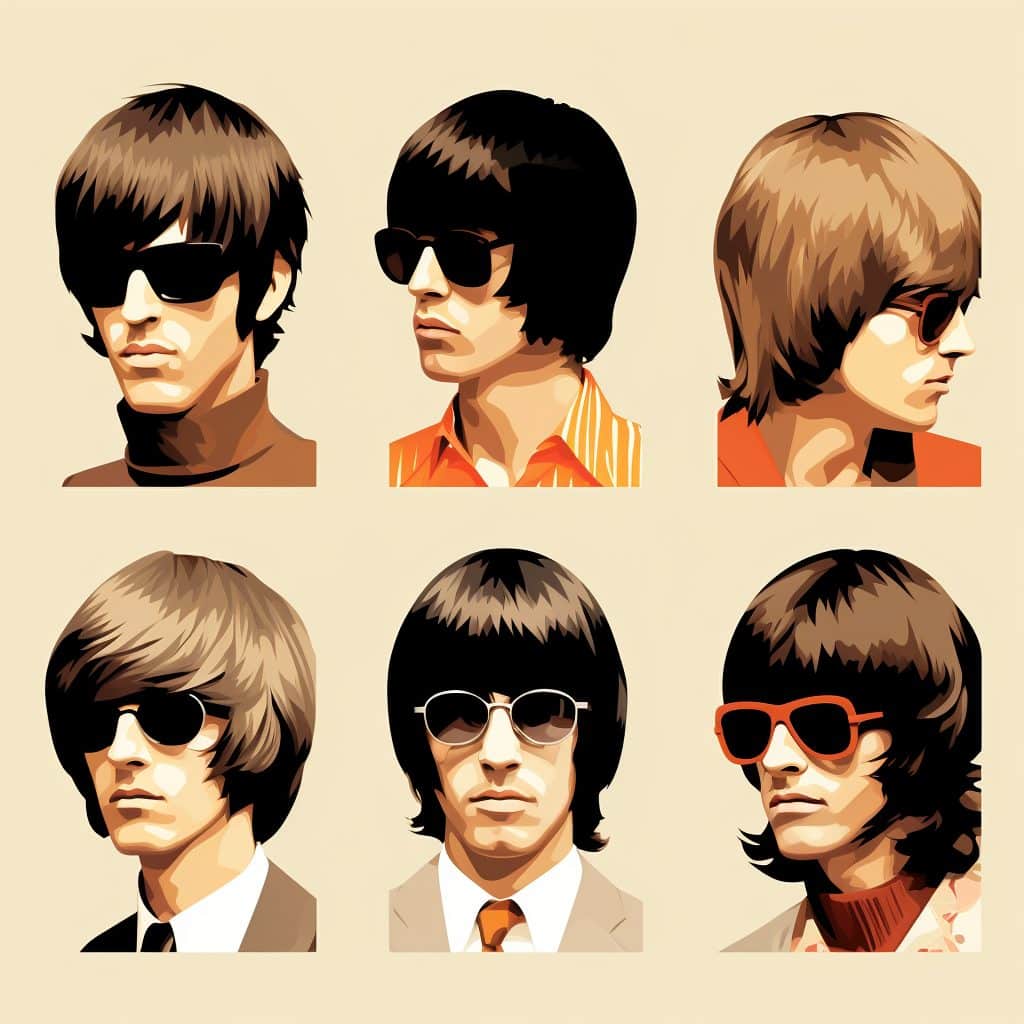
The Mod movement was more than just a fashion statement; it was a powerful expression of youth identity that was closely tied to music, mobility, and the broader social changes of the time.
Its emphasis on style, sophistication, and a break from tradition continues to resonate today, making it one of the most enduring youth cultures of the 20th century.
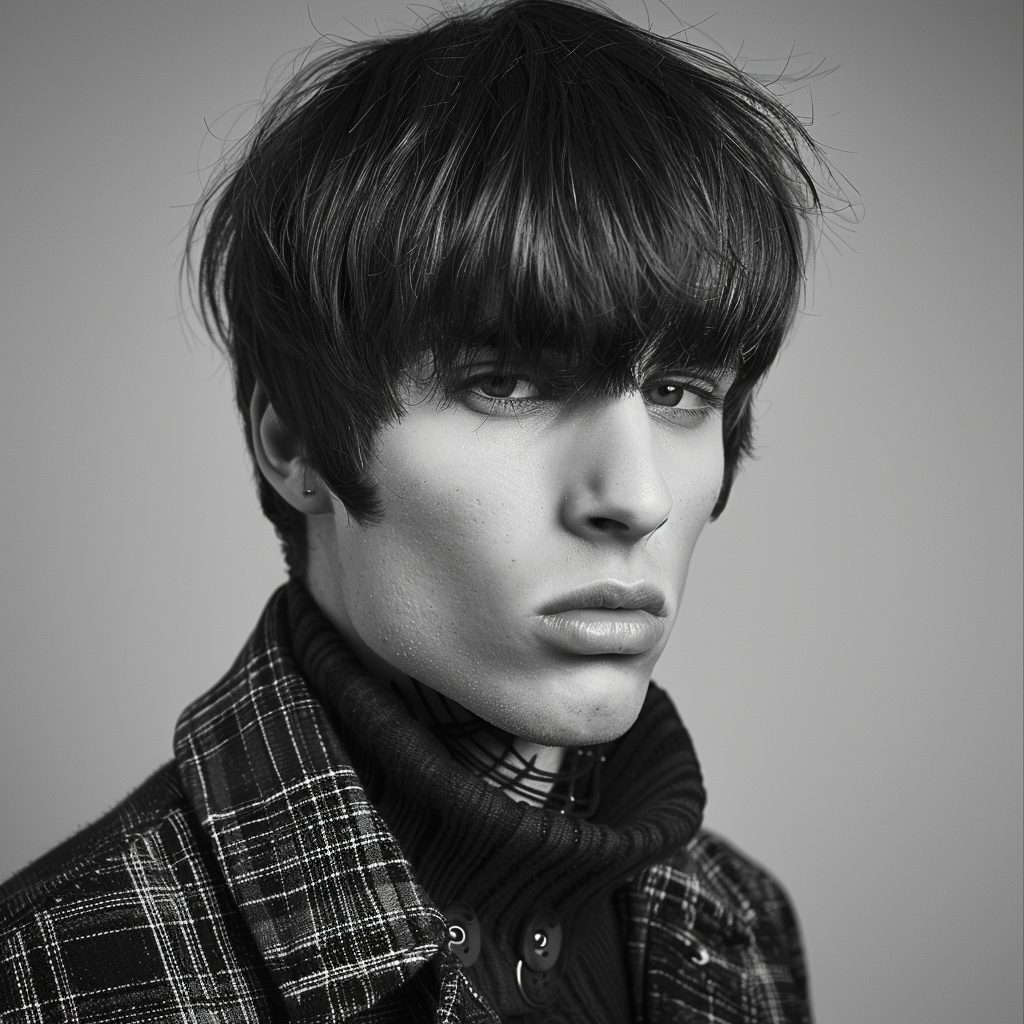
The resurgence of the Mod Cut in the 2020s isn’t happening in isolation. It’s merging with elements from emo and goth subcultures, creating a unique fusion of classic and alternative aesthetics.
While the traditional mod look is defined by its clean lines and tailored polish, this new iteration embraces the darker, moodier vibes of emo and goth styles, resulting in a hairstyle that feels both nostalgic and refreshingly modern.
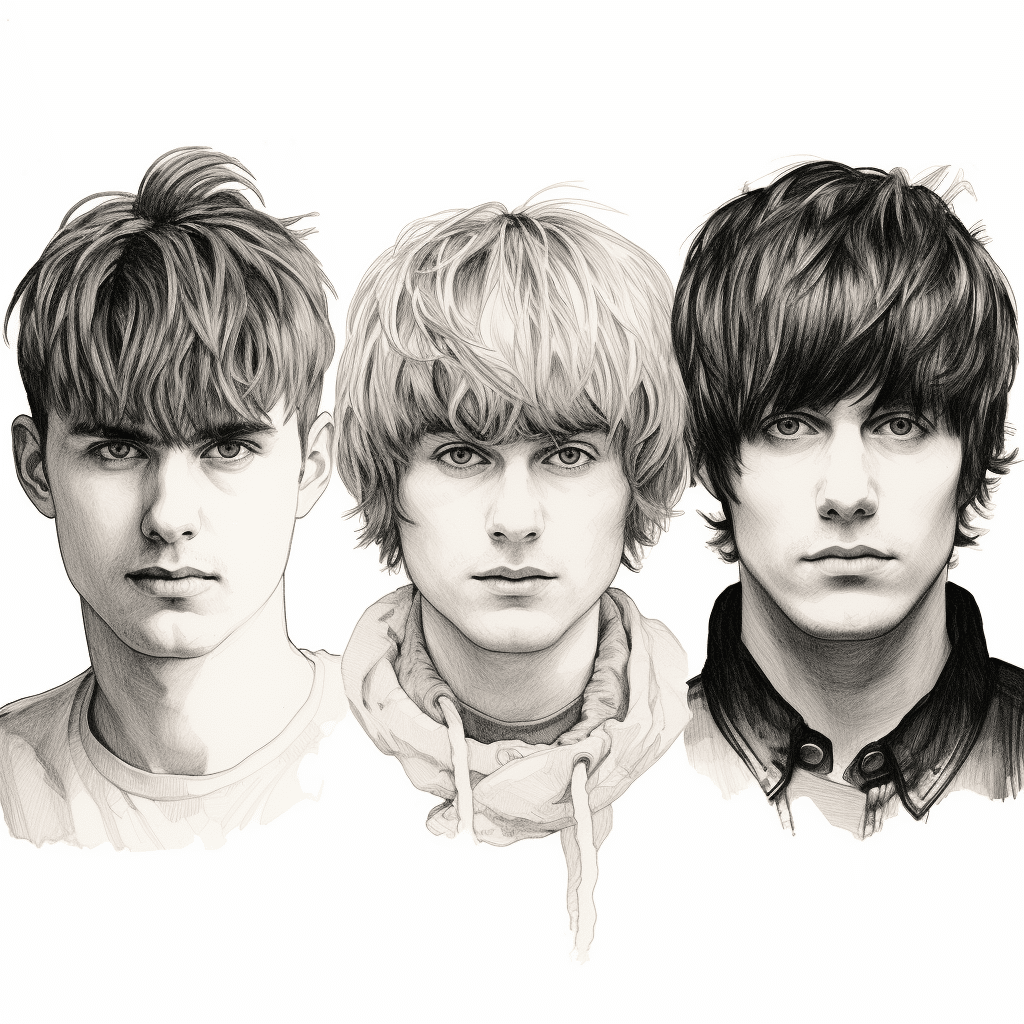
This crossover is visible in the way the Mod Cut now incorporates asymmetrical fringes, layered textures, and choppy ends often associated with emo hairstyles.
Dark, dramatic hair colors like jet black or deep burgundy, staples of the goth and emo scenes, add intensity to the look.
Accessories like leather chokers, chains, and heavy eyeliner, popular in these subcultures, pair surprisingly well with the refined mod silhouette, creating a striking contrast.
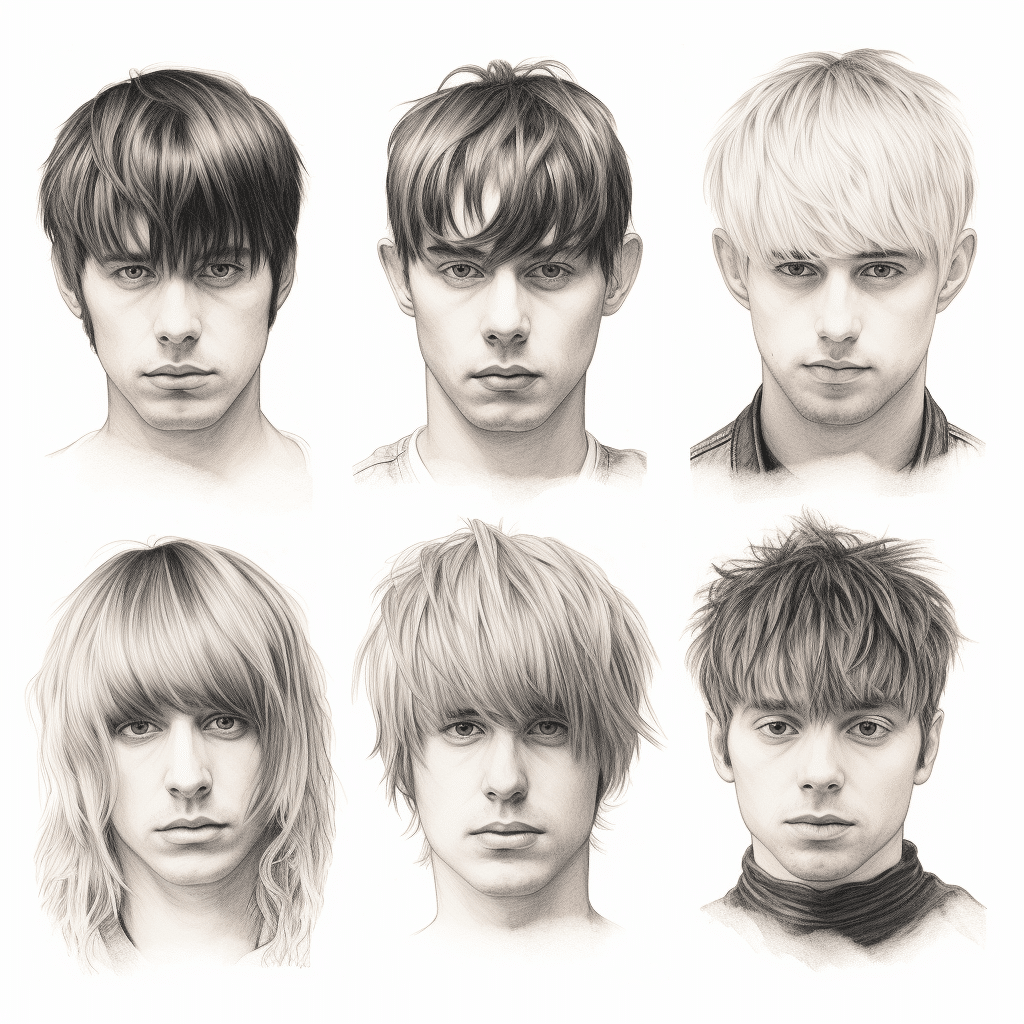
Musicians and influencers blending indie rock, post-punk revival, and emo-inspired aesthetics have played a key role in this hybridization.
The result is a hairstyle that speaks to the angst and individuality of emo and goth cultures while retaining the sharp, iconic appeal of the mod era.
It’s a style that resonates with a generation drawn to mixing the old and the new, rejecting conformity, and expressing their multifaceted identities through fashion and grooming.
Explore More: Mod Haircut for Men: From 1960s London to Modern Style
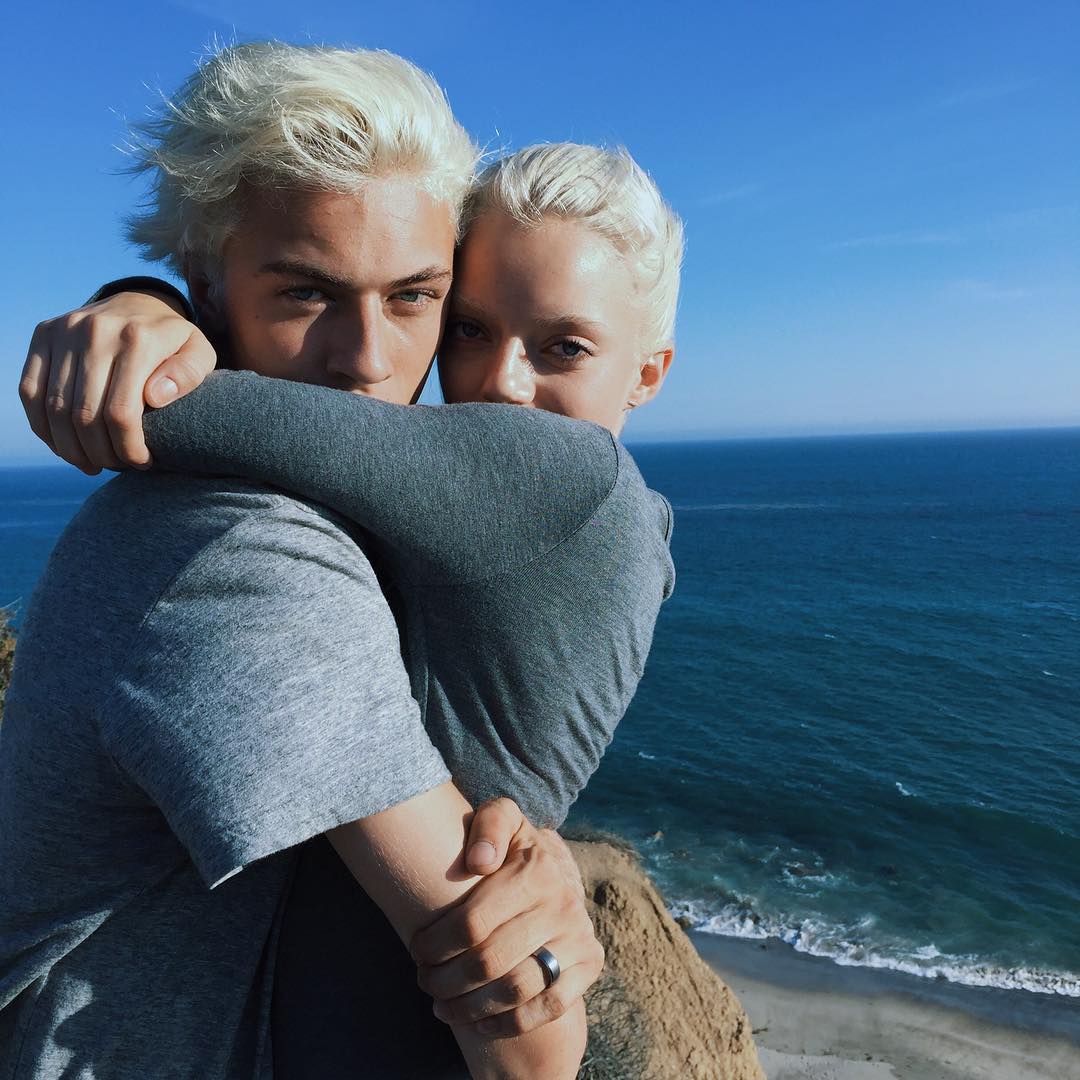
Why Are You Looking at Me: Lucky Blue Smith in the Age of Instagram Celebrity
Dirty Blonde Hair for Men: Myths, Realities, and Style Insights
How to Wear a Denim Jacket for Men: Style Tips & Outfit Combinations
1800s Men’s Hairstyles: Timeless Styles That Defined a Century
Jet Black Hair: Cuts for Men from Classic to Modern