Navigating Dating for Men Over 50: A Field Guide to Finding Love Again
Dating after 50 feels different. You’re not chasing approval anymore. You’re not building a life from scratch. You’re choosing who gets access to the life you already built.
Starting the dating journey as a man over 50 opens up an exciting new chapter. You may reflect on the past and look forward to what’s ahead.
Whether you’re navigating this terrain after divorce, the loss of a spouse, or simply after years of focusing on career and family, the landscape has changed considerably since you last dated.
You are ready to enjoy senior men dating with zeal, but this time with something younger men don’t have: perspective.
You know yourself. You know what matters. You see the difference between chemistry and compatibility, between excitement and stability, between what looks good and what actually works.
It could mean finding a new love or adding spark to an old one with more wisdom. The difference now is that you’re not desperate. You’re not incomplete without a partner.
You’re simply open to sharing your already full life with someone who enhances it.
The world of mature singles dating is lively. With the right relationship advice, your path can be rich with true connection and happiness.

Key Takeaways
- Dating after 50 is fundamentally different; you’re choosing companionship from a place of completeness, not need
- Technology has transformed how we meet people, but the fundamentals of connection remain unchanged
- Your life experience is an asset, not a liability—maturity, stability, and self-knowledge are highly attractive
- Modern dating requires some technological fluency, but authenticity matters more than perfect execution
- Clear communication about what you want (and don’t want) saves everyone time and heartache
- Whether you’re divorced, widowed, or newly single, your past experiences inform but don’t define your future
- The goal isn’t to impress. It’s to connect with someone who appreciates who you actually are.
The Evolution of Dating: Changes in the Digital Era
Let’s address the elephant in the room: dating nowadays bears almost no resemblance to dating when you were last single.
The way we find love has changed dramatically, and if you haven’t dated in a decade or more, the shift can feel overwhelming.
The changes in dating patterns have come fast with the rise of digital dating. Gone are the days when meeting someone was left to fate, chance encounters at bars, or setups through mutual friends.
Now, online dating leads the way in making new connections. Dating apps have fundamentally altered the landscape, prioritizing efficiency and choice at a scale that would have been unimaginable twenty years ago.
We saw a significant move towards dating technology that’s changing how we look for love. The evolution from newspaper personal ads to sophisticated algorithms represents more than just technological progress. It’s a complete reimagining of how social connections form.
This is a new era in relationships, one that requires both adaptation and discernment.
But here’s what hasn’t changed: human beings still want to feel seen, valued, and understood.
The medium has evolved, but the fundamentals remain the same.
You’re still looking for someone who makes you laugh, who you can talk to for hours, who shares your values even if they don’t share all your interests.
Understanding the Modern Dating Landscape
For men over 50, it’s crucial to understand these changes and adapt to new dating modalities while preserving the core principles of respect and honesty that you’ve always valued.
The shift can feel disorienting. Where you once relied on body language, tone of voice, and in-person chemistry to gauge interest, you’re now expected to craft a compelling profile, interpret texting patterns, and make snap judgments based on a handful of photos.

It’s not wrong to find this strange—it is strange. But it’s also the reality of modern dating.
1. Embracing Online Dating: Many mature singles find online dating a practical approach to meet potential partners. Platforms like eHarmony and SilverSingles are tailored to older adults, with interfaces designed for clarity rather than gamification.
Creating an honest and appealing profile, one that shows who you actually are rather than who you think women want, can significantly increase your chances of finding a compatible match.
The key is presenting yourself authentically while understanding the mechanics of how these platforms work. Think of your profile as a conversation starter, not a comprehensive autobiography.
You’re not trying to tell your whole story in 500 characters; you’re trying to intrigue someone enough to want to hear more.
2. Navigating Social Media: Social media can be a double-edged sword in dating.
While it’s a tool for connection and can help you learn about potential partners, it also requires a level of digital literacy and etiquette that may feel foreign if you’re not active online.
Keeping your interactions respectful and engaging online is crucial, but so is recognizing that social media presents a curated version of reality.
Don’t judge yourself too harshly against the highlight reels you see, and don’t expect potential partners to match their carefully edited online personas perfectly.
The digital sphere has crafted a new romantic reality, one that’s both liberating and complex.
The search for companionship is simultaneously more extensive and more specific than ever before.
You have access to more potential partners than at any point in human history, yet finding genuine compatibility among that abundance requires patience and discernment.
Here’s what this new landscape offers:
- The rise from niche to mainstream acceptance: online dating is no longer seen as a last resort
- Distance is no longer an insurmountable barrier if you’re willing to be flexible
- The expectation for relatively quick responses and engagement (but not desperation)
- Real concerns about staying safe online, both emotionally and practically
With these technological advances, finding a partner has never been more accessible. But these possibilities also bring challenges.
How do we choose when there are so many options?
How do we avoid the paradox of choice, where having too many possibilities leads to decision paralysis?
How do we find real, lasting connections in a landscape that can feel transactional?
The answer lies in approaching digital dating with clear intentions and realistic expectations.
You’re not looking for perfection, you’re looking for compatibility. You’re not trying to appeal to everyone, you’re trying to find the right someone.
| Aspect of Dating Evolution | Impact on Singles | How to Navigate It |
|---|---|---|
| Wider Pool of Potential Matches | Increases opportunities but can lead to feeling overwhelmed | Set clear criteria; don’t endlessly browse |
| Instant Communication | Facilitates faster interactions but may skew expectations | Be responsive but not compulsive; quality over speed |
| Advanced Matching Algorithms | Enhances compatibility assessments but can create over-reliance on technology | Use as a tool, not a replacement for judgment |
| Increased Dating Efficiency | Saves time but might contribute to transactional view of relationships | Remember you’re connecting with people, not shopping |
Understanding this digital shift is essential on your journey.
It requires curiosity, patience, and a willingness to learn new tools without losing sight of what you’re actually seeking: genuine human connection.
Embrace the empowerment that dating technology brings, but remain mindful of its limitations and complications in modern romance.
Understanding What Actually Matters Now
If you’re coming back to dating after years in a relationship, or after focusing on building a career and raising children, you might be surprised by how different your priorities are now.
And more importantly, how different the priorities of women your age are compared to the women you dated decades ago.
Learning what women value in mature dating is key to creating strong, meaningful relationships.
But this isn’t about gaming the system or pretending to be someone you’re not. It’s about understanding what resonates at this stage of life so you can present your authentic self most effectively.
What Women Value in Mature Singles Dating
Women over 45 or 50 are not looking to be impressed. They’re looking to feel safe, seen, and emotionally met.
They’ve likely been through their own journeys—marriages, divorces, career challenges, raising children. They know what they want, and more importantly, they know what they don’t want.
Women in this demographic look for men who share their interests and demonstrate emotional maturity.
Traits like reliability, honesty, and a good sense of humor aren’t just “nice to have”, they’re essential. But let’s be specific about what these qualities actually mean in practice:
Reliability doesn’t mean being boring or predictable. It means following through when you say you will. It means being consistent in your interest and communication. It means not disappearing for days and then reappearing with weak excuses.
Honesty means being upfront about what you’re looking for. If you’re not ready for a serious commitment, say so. If you’re still processing grief or anger from a previous relationship, acknowledge it. Women at this age appreciate directness, it saves everyone time and emotional energy.
Emotional intelligence means being in tune with your own feelings and being capable of recognizing others’. It means you’ve done some work on yourself. You’re not looking for someone to fix you or complete you. You’re looking for a partner to share life with.
They also value men who are genuinely ready for commitment, not just theoretically open to it.
There’s a difference between saying “I’m looking for a relationship” and actually being emotionally available for one.
Creating Emotional Connections
Building an emotional connection is vital for a relationship’s success, especially for mature singles.
This bond goes beyond physical attraction or shared logistics. It’s based on mutual respect, genuine communication, and the willingness to be vulnerable.
At this age, you’ve likely learned that looks fade, circumstances change, and what really sustains a relationship over time is how you feel when you’re together.
Can you be yourself?
Do you feel energized or drained after spending time together?
Do you laugh?
Do you feel heard?
Women value men who really listen, not just wait for their turn to talk.
Active listening means being present, asking follow-up questions, and remembering details from previous conversations.
It means putting your phone away. It means engaging with what she’s actually saying rather than what you assume she means.
Creating emotional connection also means being willing to share your own experiences, fears, and hopes.
Not on the first date, necessarily, but as things progress. Vulnerability isn’t weakness. At this stage of life, it’s the price of admission for real intimacy.

Tips for Effective Communication
Communication at this age should be clearer and more direct than it was in your twenties. You don’t have time for games, and neither does she. Here’s what effective communication actually looks like:
1. Being a Good Listener: Active listening is essential in all stages of a relationship. It involves paying full attention to your partner, understanding their perspective, and responding thoughtfully.
This means making eye contact, noticing body language, and being genuinely curious about what they’re sharing.
When someone feels truly heard, it creates a foundation of trust that’s difficult to build any other way.
Practice asking “What do you mean by that?” or “Tell me more” instead of immediately jumping to advice or solutions.
2. Expressing Needs Clearly: With age comes clarity about what you want from a relationship.
Be open about your expectations and needs early on to ensure both parties are on the same page. This doesn’t mean dumping your entire life story and wish list on a first date, but it does mean being honest about deal-breakers and long-term goals.
If you’re not interested in moving or relocating, say so. If you want someone who shares your enthusiasm for travel, mention it.
If you’re close with your children and they’re a central part of your life, that’s important information.
Clarity prevents misunderstandings and wasted time for everyone involved.
3. Handling Conflict with Maturity: Conflict is inevitable in relationships, but handling disagreements with maturity and respect can strengthen bonds rather than damage them.
At this age, you should have learned that being “right” is less important than being connected. Avoiding escalation, seeking compromise, and being willing to apologize when you’re wrong are key strategies.
The goal isn’t to win arguments. It’s to understand each other better and find solutions that work for both of you.
If you find yourself in the same argument repeatedly, that’s a sign you need to address the underlying issue rather than the surface symptom.
Respecting Modern Dating Etiquette
Dating today has evolved its own set of norms and expectations, from online messaging etiquette to in-person interactions.
Women appreciate when their dates respect personal boundaries, demonstrate good manners, and show genuine consideration.
Modern dating etiquette includes things like: not monopolizing the conversation, respecting her time by being punctual, being clear about your intentions, and understanding consent in all its forms.
It means splitting the check if that’s what she prefers (many women do), or graciously picking it up if you offered. It means not assuming anything about her availability, schedule, or interest level.
Showing respect for contemporary dating norms demonstrates that you’re adaptable, considerate, and ready for a real connection, not stuck in outdated gender dynamics from decades past.
Online Dating Strategies for 50+ Singles
Let’s be honest: if you haven’t dated in twenty years, online dating can feel completely alien.
Swiping through photos, crafting text-based first impressions, and navigating app interfaces. None of this existed the last time you were single.
Starting your journey in senior online dating can be both exciting and overwhelming.
But here’s the truth: online dating is simply a tool. It’s not inherently good or bad, shallow or meaningful. Like any tool, its effectiveness depends on how you use it.
To navigate the online dating world successfully, you need strategies suited for those over fifty, approaches that honor your experience while acknowledging the learning curve.
Choose the Right Platform: Picking the right dating app is crucial to your success. Not all platforms are created equal, and some cater specifically to mature singles with different goals.
Look for apps designed for serious relationships if that’s what you want, or more casual platforms if you’re just dipping your toes back in.
Whatever you choose, pick one or two platforms and learn them well rather than spreading yourself thin across five different apps. Quality over quantity applies to apps just as much as to potential partners.
Perfect Your Profile: Your profile is your digital introduction, your chance to give a first impression without being physically present.
Make sure it reflects your actual personality and genuine interests, not what you think will get the most matches. Use recent photos that actually look like you (not from ten years or twenty pounds ago—women notice, and it creates distrust from the start).
Include a mix of photos: a clear face shot, a full-body photo, and a couple showing you engaged in activities you enjoy. Write a bio that’s honest and engaging without being a novel.
Avoid clichés like “I love to laugh” (who doesn’t?) or “I’m equally comfortable in jeans or a tux.”
Be specific.
What do you actually do for fun? What are you genuinely passionate about? What kind of connection are you seeking? Specificity is what makes you memorable and helps the right person recognize you.
Communicate Effectively: When you match with someone, make sure your conversations are engaging and genuine. Ask questions about things mentioned in their profile.
Talk about things you both like, but also be willing to explore differences. Avoid one-word answers that kill conversation momentum, but also avoid messaging so much that you build up unrealistic expectations before meeting in person.
The goal of online communication is to establish enough connection and safety to warrant an in-person meeting, not to conduct an entire relationship via text. Strike a balance between being interested and being available.
Don’t play games with response times, but don’t be so immediately available that you seem to have nothing else in your life.
Remember: you’re both evaluating whether there’s enough compatibility to justify investing time in getting to know each other better.
These online dating strategies will prepare you to find romance and build connections that could turn into something meaningful.
Don’t let technological unfamiliarity or fear of rejection keep you from trying. Everyone feels awkward at first.
Dive in and let your mature perspective, your self-knowledge, your emotional intelligence, your life experience, be your advantage.
3 Dating Apps for 50+ Singles
- OurTime – Tailored specifically for singles over 50, OurTime offers an easy-to-use interface and a variety of options for interaction, including messaging and live chats. It’s designed to meet the needs of mature daters, providing a comfortable setting for meeting potential partners. The platform tends to attract people looking for serious relationships rather than casual hookups, and the user base understands that dating at this age comes with its own particular considerations: grown children, established careers, previous marriages.
- SilverSingles – This dating app uses a detailed personality test to match users, focusing on compatibility in various life and relationship areas. It’s ideal for those over 50 looking for serious relationships and those who prefer a more thoughtful approach to online dating. The matching algorithm takes into account not just interests but values, communication styles, and relationship goals. If you’re someone who appreciates structure and doesn’t want to endlessly swipe through profiles, SilverSingles’ curated approach might appeal to you.
- eHarmony – Known for its comprehensive compatibility matching system, eHarmony offers a trusted platform for singles looking for committed relationships. While it serves all age groups, it has a significant number of active older users and provides detailed profiles that highlight users’ values and interests. The platform requires more investment upfront, both in time to complete the profile and in subscription cost, but that investment tends to attract people who are serious about finding a relationship. It’s less casual-dating-friendly, which is either a pro or a con depending on what you’re seeking.
A note about cost: yes, most of the better platforms for mature dating require paid subscriptions. This isn’t a scam, it’s actually a filter.
People willing to invest financially tend to be more serious about finding a relationship.
Think of it as no different from paying for other activities you value: gym memberships, hobbies, cultural events.
If finding a partner matters to you, allocating some budget to increase your chances makes practical sense.

Establishing Clear Relationship Goals
One of the advantages of dating at this age is clarity. You know yourself. You’ve lived enough to understand what works for you and what doesn’t. You’ve likely been through at least one serious relationship and learned from it.
When you enter mature dating, it’s essential to know what you’re actually looking for.
Knowing your desires and setting realistic expectations is crucial, both for your own emotional wellbeing and for respecting the time and energy of potential partners.
Your life experience is a valuable asset in figuring out what you want. It’s all about finding someone who complements your lifestyle, especially at this stage of life.
Identifying Personal Desires for Companionship
Taking this path requires self-reflection to understand what fits your life right now.
Are you looking for someone to share daily life with, someone to wake up next to, have breakfast with, and coordinate schedules around?
Or are you content with your independence and seeking someone for companionship on weekends and occasional trips?
Neither answer is wrong, but they’re very different relationship structures.
A woman looking for a life partner and eventual cohabitation won’t be satisfied with someone who wants to maintain separate residences indefinitely.
Conversely, someone who values their autonomy and established routine may feel suffocated by someone seeking to merge lives completely.
Think honestly about what you value in a companion.
Do you want someone who shares your hobbies, or someone who brings different interests and expands your world?
Do you want intellectual stimulation, emotional support, physical intimacy, domestic partnership, or some combination?
]Are you looking for someone to travel with, or someone who’s content with a quieter lifestyle?
There are no universal right answers, only honest ones that reflect your actual desires rather than what you think you’re supposed to want.
Setting Realistic Expectations in Mature Dating
Mature dating means balancing ideals with reality.
Everyone comes with a history at this age. Everyone has scars, lessons learned the hard way, established habits, and lives already in progress.
The goal isn’t to find someone perfect. It’s to find someone whose imperfections you can accept and even appreciate.
It’s important to find a partner with mutual understanding and realistic expectations.
Remember, everyone has their own stories, their own baggage, their own non-negotiables.
What matters is whether you’re compatible in the ways that count, and whether you’re both willing to accommodate each other’s needs and boundaries.
Aim for growth together, not trying to change each other into some idealized version.
If you find yourself thinking “she’d be perfect if only she would…” stop right there. That’s not fair to her, and it’s setting yourself up for frustration.
Accept people as they are or don’t pursue a relationship, but don’t enter one thinking you can fundamentally change someone.
Navigating Dating After Retirement with Purpose
Retirement opens the door to explore new relationships with time and freedom you may not have had during your working years.
But that freedom also requires clear intentions. Without the structure of a career, you have more flexibility, but you also need to be more deliberate about how you spend your time and energy.
The worst thing you can do is be vague or dishonest about what you’re looking for because you’re afraid of scaring someone off. The right person won’t be scared off by your honesty; they’ll appreciate it.
Aligning your relationship goals with your broader life plans ensures your romantic life enhances rather than complicates your retirement years.
Dating should add value to your life, not create stress or force you to compromise on things that truly matter to you.
Understanding Loss and Starting Again
For many men over 50, entering the dating world means processing significant loss.
Whether you’re divorced after decades of marriage or widowed after losing a life partner, these experiences shape how you approach new relationships, and they should.
Pretending your past doesn’t exist or affect you isn’t healthy or authentic.
Dating After Divorce: Rebuilding Trust and Identity
Divorce, especially after a long marriage, isn’t just about ending a relationship. It’s about rebuilding your entire sense of self.
You may have been “we” for so long that being “I” feels foreign.
You’ve likely dealt with feelings of failure, anger, betrayal, or relief (or all of these simultaneously).
These emotions don’t disappear just because you’re ready to date again.
The question isn’t whether your divorce affects your dating life; it’s how you manage its impact.
Some men jump into dating too quickly, using new relationships to avoid processing the old one. Others wait too long, building walls so high that genuine connection becomes nearly impossible.
The healthy middle ground involves doing the emotional work to understand what happened, what you learned, and what you want differently moving forward.
Be honest with potential partners about your divorce, but don’t make it your entire personality.
There’s a difference between “I was married for 25 years and we grew apart” and spending three dates detailing everything your ex did wrong. The former demonstrates maturity; the latter suggests you’re not ready to date.
Trust issues after divorce are normal. If you were betrayed, you’ll naturally be more cautious.
But don’t punish a new partner for your ex-wife’s actions. Every person deserves to be evaluated on their own merits, not judged by someone else’s mistakes.
Dating After Loss: Honoring the Past While Opening to the Future
If you’re widowed, the emotional landscape is different but equally complex.
You didn’t choose to leave your marriage. There’s no anger at your late spouse, but there may be guilt about moving forward.
How do you honor a love that ended not because it failed but because life ended?
First, understand that seeking new love doesn’t diminish what you had. You’re not replacing your late wife; you’re acknowledging that you have more love to give and life left to live.
The capacity to love again after loss is a testament to the strength of your previous relationship, not a betrayal of it.
Be upfront about your situation with potential partners. Many women will be understanding and compassionate, but they also need to know they won’t be competing with a memory.
Keep photos of your late wife if you want to, honor significant dates, maintain connections with her family, but make sure there’s room in your life and heart for someone new.
Timing matters.
Some therapists suggest waiting at least a year after a loss before seriously dating, though there’s no universal rule.
The question to ask yourself is: Am I seeking a relationship to fill a void, or am I genuinely ready to build something new? If it’s the former, wait. If it’s the latter, proceed thoughtfully.
How Long Should You Wait?
There’s no magic timeframe for when you should start dating after divorce or loss. What matters more than elapsed time is emotional readiness. Ask yourself:
- Can you talk about your past relationship without strong negative emotions dominating?
- Have you processed your grief or anger enough that it won’t overwhelm a new relationship?
- Are you seeking a relationship to complete yourself, or to share yourself?
- Can you be fair to a new partner rather than comparing them constantly to what came before?
- Have you established a life you enjoy on your own, so you’re dating from wholeness rather than need?
If you can honestly answer yes to most of these questions, you’re probably ready, regardless of whether it’s been six months or three years.
The Importance of Self-Presentation and Style
Let’s talk about something that might make you uncomfortable: how you look matters.
Not because you need to look twenty-five again (you don’t, and you shouldn’t try).
Not because relationships are shallow (they’re not). But because how you present yourself communicates respect for yourself and for the person you’re meeting.
In the world of dating, especially for older men, self-presentation functions as a form of nonverbal communication. It speaks before you say a word.
Your grooming, your clothing choices, the effort you put into your appearance. All of it tells a story about how you see yourself and how you approach life.
Feeling confident about dating starts from the inside, certainly. But it’s also influenced by how you choose to present yourself externally.
The way you dress and take care of yourself sets the tone for first meetings and beyond. Understanding that thoughtful self-presentation matters in dating adds an extra dimension to your natural charm.
Grooming isn’t just about vanity or superficial appearances. It reflects mindfulness, self-respect, and consideration for the people you’re meeting.
When you take the time to look put-together, you’re saying “This matters to me. You matter to me. I value this interaction enough to make an effort.”

Having a solid grooming routine demonstrates attention to detail and self-care. Your choice in clothes allows your personal style to shine through in a way that feels authentic to who you are now—not who you were at thirty.
- Start your grooming with basics: a current haircut that flatters your face and hair type (including gray or thinning hair), well-maintained facial hair if you have any, and attention to details like trimmed nose and ear hair.
- Wear a subtle, quality scent that hints at sophistication without overwhelming. Fragrance should be discovered, not announced from across the room.
- Choose clothes that fit well and reflect your personality. This doesn’t mean expensive designer labels. It means clothing that flatters your current body, is appropriate for the occasion, and expresses something authentic about who you are.
- Invest in quality basics. Well-fitting jeans, a few good shirts, a proper jacket, comfortable but stylish shoes. These staples will serve you better than a closet full of trendy items that don’t quite work.
“Fashion fades, only style remains the same,” Coco Chanel once said. This principle holds especially true in mature dating.
Finding what makes you feel confident and authentic is far more valuable than chasing trends designed for men decades younger.
Self-presentation and personal style are crucial elements of successful dating after 50. They help you make a memorable first impression that can lead to discovering shared interests and building new relationships.
Remember the power of confidence, thoughtful grooming, and authentic style. They all contribute to your story as you seek companionship and love.
And let’s be clear: this isn’t about conforming to some arbitrary standard of attractiveness.
It’s about presenting the best, most authentic version of yourself. Some women prefer the rugged look; others like polished sophistication.
There’s no one right answer. But there is something universally appealing about a man who clearly cares about himself and makes an effort.
Staying Physically Active: Physical fitness not only improves health but also boosts self-esteem and energy levels, making you more attractive to potential partners. Not because of how you look, but because of how you feel and carry yourself.
Physical activity affects mood, confidence, and vitality. Consider our fitness recommendations in Fitness at 50 and Beyond to find activities that keep you vibrant and engaged in life.
Where to Meet Like-Minded Mature Singles
Online dating is one avenue, but it’s not the only one. For many men over 50, it’s not even the best one.
If you’re someone who prefers face-to-face interaction, who needs to see how someone moves and laughs and engages with the world before feeling attraction, then meeting people in real life remains the gold standard.
Finding places to meet mature singles organically takes more effort than swiping on an app, but the connections formed tend to be more grounded.
Look for social events and hobbies where you’ll naturally encounter people with shared interests.
These activities are ideal for meeting potential partners in your golden years because they provide built-in conversation topics and shared experiences.
Exploring Social Events and Hobbies
Social events designed for mature adults are perfect for meeting other singles in low-pressure environments.
Think beyond the typical bar scene (which may have worked in your twenties but feels less appealing now).
Consider joining a dance class, ballroom, salsa, or swing dancing are social by nature and attract a good mix of singles and couples.
Book clubs provide intellectual engagement and attract people who value conversation.
Wine tastings, cooking classes, art gallery openings, community theater productions, these activities naturally bring together people with cultural interests.
The advantage of meeting someone through shared activities is that you’ve already established common ground. You both enjoy hiking, or photography, or volunteering at the animal shelter.
This gives you something to talk about beyond the awkward “so… what do you do?” conversations that can plague first dates with strangers from apps.
Starting new hobbies or revisiting old ones serves a dual purpose: it enriches your own life while simultaneously expanding your social circle.
Always wanted to learn pottery? Take a class.
Used to play guitar but stopped? Join a community music group.
These activities make you more interesting as a person while connecting you with mature singles who share your passions or curiosities.
Here’s the key: don’t join activities solely to meet women. That desperation shows, and it makes everything awkward.
Join because you’re genuinely interested. Meeting someone becomes a happy byproduct rather than the entire mission. And if you don’t meet anyone romantically?
You’ve still gained a new skill, had enjoyable experiences, and expanded your social network. All valuable outcomes.

Leveraging Relationship Advice for New Encounters
Re-entering the dating world after years away can feel intimidating. But good relationship advice from trusted sources can significantly boost your confidence.
Talk to friends who’ve successfully navigated dating at this age.
What worked for them? What mistakes did they make that you can avoid?
Seek tips from people you trust who have found love or meaningful connections in recent years.
They can offer insights about creating compelling online profiles, improving your communication skills, and understanding contemporary dating dynamics.
This mentorship and advice can greatly improve your chances of finding someone compatible.
Don’t be too proud to ask for help. If you have a female friend whose judgment you trust, ask her to review your dating profile.
Her perspective on what appeals to women your age could be invaluable. If you’re confused about texting etiquette or when to follow up after a date, ask someone who’s been doing this recently.
There’s no shame in learning. There’s only shame in repeating the same mistakes because you were too stubborn to seek guidance.
Senior-Friendly Dating Venues and Activities
Choosing senior-friendly venues and activities makes the entire process more comfortable and increases your likelihood of meeting compatible people.
Think about environments where you can actually have a conversation. Loud bars and nightclubs are generally not conducive to getting to know someone at this age.
Good venues include coffee shops with comfortable seating, libraries that host author talks or lectures, community centers with classes and events, botanical gardens with walking paths, museums with evening programs, and restaurants with quieter atmospheres.
These spaces attract mature crowds and provide natural opportunities for interaction.
Also consider group travel designed for older adults, cultural events like theater or symphony performances, hiking groups that organize regular outings, volunteer organizations where you can contribute while meeting like-minded people, or adult education courses at local colleges.
Senior-focused dating sites and events specifically designed for mature singles can also provide structured opportunities to meet people in your demographic.
The advantage of these venues is threefold: the people there are age-appropriate, the activities allow for actual conversation and connection, and the environments don’t make you feel like you’re trying to recapture your youth.
You’re not a college student anymore, and that’s actually an advantage. You bring depth, stability, and wisdom that younger people simply haven’t developed yet.
Navigating Intimacy and Sexual Health After 50
Let’s address the topic many dating articles for mature men conveniently skip: sex and physical intimacy. Pretending this isn’t important or relevant does everyone a disservice.
Sexual connection remains a significant aspect of romantic relationships for most people over 50, but it looks and feels different than it did decades ago, and that’s perfectly normal.
Understanding Physical Changes
Your body at 50 or 60 isn’t the same as it was at 25 or 30. This is not a moral failing or something to be ashamed of. It’s simple biology.
Erectile function may not be as reliable or spontaneous. Arousal might take longer. Recovery time between sexual encounters increases. Medications you take for other health conditions can affect sexual function. These are realities that many men face.
The good news: most of these challenges have solutions if you’re willing to address them honestly.
Talk to your doctor openly about sexual health. They’ve heard it all before, and addressing these concerns is part of maintaining quality of life. There’s no trophy for suffering in silence.
But here’s what’s more important than pharmacological solutions: communication with your partner about expectations, desires, and concerns.
Many women over 50 are also experiencing physical changes, menopause, decreased natural lubrication, and shifts in libido.
Being able to talk openly about these realities without shame or defensiveness creates intimacy that transcends the purely physical.
When and How to Discuss Sexual Health
There’s no perfect script for when to discuss sexual health with a new partner, but here are some guidelines: Don’t bring it up on a first date (too much, too soon).
Don’t wait until you’re already in bed together (too late, too pressured).
Somewhere in between, perhaps when it’s clear you’re moving toward a physical relationship but before you’re actively in that moment, find a private, relaxed time to have an honest conversation.
You might say something like: “I want to be upfront with you about something. I take medication for [blood pressure/diabetes/whatever], and it can sometimes affect sexual function. I want you to know that I find you incredibly attractive, and I’m excited about the physical aspect of our relationship, but I wanted to be honest about this reality.”
Most mature women will appreciate this honesty and vulnerability.
It demonstrates emotional intelligence and consideration. It also takes pressure off both of you to perform perfectly, which ironically often leads to better sexual experiences because anxiety is reduced.
Safe Sex Still Matters
Here’s an uncomfortable truth: STI rates among people over 50 have been rising in recent years.
Why? Several reasons. Many people in this age group didn’t grow up with comprehensive safe-sex education.
Pregnancy is no longer a concern post-menopause, leading some to skip protection. And there’s often an assumption that “older people don’t get STIs,” which is demonstrably false.
If you’re sexually active with new partners, use condoms. Get tested regularly. Have honest conversations about sexual history and testing.
Yes, these conversations can be awkward. Have them anyway. Protecting your health (and your partner’s health) is an act of respect and maturity.
Don’t let embarrassment or outdated assumptions about “older people and sex” prevent you from having these necessary discussions.
Adults in their 50s, 60s, and beyond are sexual beings, and responsible sexual health practices remain important regardless of age.

Redefining Intimacy
Here’s where age actually becomes an advantage: most men over 50 have learned (or are capable of learning) that intimacy encompasses far more than intercourse.
Physical closeness, emotional vulnerability, deep conversation, shared laughter, comfortable silence. These forms of intimacy often matter more in long-term relationships than sexual performance.
Women at this age often report that what they value most is a partner who is present, attentive, and interested in mutual pleasure rather than performing some athletic sexual feat.
The pressure to be a “stud” diminishes, replaced by appreciation for genuine connection, communication about preferences and boundaries, and willingness to explore what feels good for both people.
This shift from performance to connection can actually make sexual relationships more satisfying at this age than they were when you were younger and more focused on ego and achievement.
The Reality of Age-Gap Relationships
Let’s talk honestly about something you might be considering: dating significantly younger women. This topic requires nuance, self-awareness, and brutal honesty about motivations.
Why the Appeal Exists
There are legitimate reasons why age-gap relationships happen. Sometimes people genuinely connect across generational lines; shared values, compatible lifestyles, intellectual chemistry that transcends age.
Sometimes a younger woman appreciates maturity, stability, and life experience in ways that men her own age haven’t developed. These relationships can work.
But let’s also be honest about less healthy motivations.
Are you pursuing younger women because you think they’ll be less demanding, easier to impress, or more forgiving of your flaws?
Are you trying to recapture your youth vicariously?
Are you uncomfortable with the reality of dating women your own age who have their own histories, opinions, and expectations?
If you are avoiding women closer to your age, that’s worth examining. What are you actually seeking? What are you avoiding?
The Practical Realities
Significant age gaps create real practical challenges.
You may be thinking about retirement while she’s mid-career. You may have grown children while she wants to start a family.
Your energy levels, health concerns, and life priorities may be fundamentally different.
Your cultural references don’t align. She doesn’t remember the music or movies or historical events that shaped you, and you don’t relate to the formative experiences of her generation.
None of this makes age-gap relationships impossible, but it does make them more complicated.
And here’s the uncomfortable question: what happens as you continue to age? When you’re 65 and she’s 45, that might work.
When you’re 75 and she’s 55? When you’re 85 and she’s 65?
The age gap doesn’t shrink, and the implications of that gap become more pronounced over time.
The Honest Assessment
If you’re genuinely connected with someone younger and the relationship is mutually respectful and balanced in power dynamics, proceed with awareness of the challenges.
But if you’re pursuing younger women because you find women your age “too old,” you might want to examine what that reveals about how you view aging, and by extension, how you view yourself as you age.
Women your own age offer something younger women often can’t: shared life experience, understanding of what you’re going through, similar life stages and priorities, and the wisdom that comes from their own journeys.
Don’t dismiss these advantages in pursuit of youth and novelty.
Overcoming Challenges Faced by Older Men Dating
Dating later in life presents unique challenges in mature dating, but with the right mindset and strategies, you can transform these obstacles into opportunities.
Overcoming dating obstacles requires staying open-minded, adaptable, and willing to challenge yourself.
It’s important to look past age-related stereotypes and recognize the value in your accumulated life experiences.
As an older man, you’ll encounter misconceptions about dating and romance at this stage.
These stereotypes often oversimplify a reality that’s far richer and more nuanced.
The key is identifying common barriers and developing practical strategies to navigate past them toward fulfilling relationships.
Common Obstacles and How to Address Them
Fear of Rejection: Rejection stings at any age, but it can feel particularly harsh when you’re older and more aware of time passing.
Reframe rejection: it’s not a judgment of your worth as a person. It’s simply incompatibility.
Every “no” moves you closer to the right “yes.”
Develop resilience by not over-investing emotionally before meeting in person, maintaining other aspects of your life so dating isn’t your entire focus, and remembering that she’s not rejecting you. She’s declining one specific connection.
Comparing Yourself to Your Younger Self: You’re not twenty-five anymore. Stop competing with who you used to be and start appreciating who you’ve become.
The man you are now has qualities that the young version didn’t: wisdom, patience, financial stability, emotional intelligence, perspective on what actually matters.
These are advantages, not consolation prizes.
Feeling “Out of Practice”: If you haven’t dated in decades, you’ll feel rusty. That’s normal.
Dating is a skill, and like any skill, it improves with practice. Your first few dates might be awkward.
That’s okay. Each interaction teaches you something and builds confidence.
Don’t expect perfection, expect progress.
- Reframing Mindsets: See each date as an interesting opportunity to meet someone new and learn about their perspective on life, not as a high-stakes performance where you must prove yourself worthy. This reduces pressure and makes the experience more enjoyable for both of you.
- Building Tech Savviness: Learn to use dating apps and websites competently. They’re essential tools in today’s dating landscape. This doesn’t mean becoming a technology expert; it means achieving basic functional literacy. Set aside time each week to practice, ask questions without embarrassment, and recognize that mastering these tools expands your options significantly.
- Building Genuine Confidence: Confidence at this age isn’t about bravado or pretense. It’s about knowing yourself and being comfortable in your own skin. View your life experiences as strengths and sources of interesting conversation, not weaknesses to hide. The right person will appreciate your authenticity far more than any carefully constructed persona.
Every challenge is an opportunity. A chance to break through stereotypes, grow as a person, and surprise yourself (and your date) with your adaptability and resilience.
Staying active and engaged in the dating scene builds competence and comfort.
The more you put yourself out there, with appropriate boundaries and self-care, the better you become at navigating modern romance.
Each conversation, each date, each interaction provides data about what works and what doesn’t.
Discard age-related stereotypes that suggest you’re past your prime or that meaningful connection isn’t possible at this stage.
Enter the dating scene with confidence, knowing that your maturity, wisdom, and life experience are genuinely valuable assets that can lead to profound connections with the right person.
Leveraging Life Experience in Dating Conversations
As a mature man, your life experience in dating is one of your greatest assets.
It’s currency that deepens connections and demonstrates your emotional maturity.
The key is learning how to share these experiences in ways that build intimacy and trust rather than dominating conversations or living in the past.
Building Trust with Shared Histories
Trust forms the foundation of meaningful relationships, and it begins with selective vulnerability about your past.
Think about formative moments where you learned significant lessons or experienced real growth, career challenges you navigated, personal setbacks you overcame, and relationships that taught you important truths about yourself.
Share these stories thoughtfully with your date, not as a way to impress but as a way to reveal who you are beneath the surface.
Being appropriately open about your history builds trust because it demonstrates that you value honesty, depth, and authentic connection over superficial impressions.
The key word is “appropriately.”
Don’t trauma-dump on early dates. Don’t make every conversation about your past. But when relevant opportunities arise to share meaningful experiences, take them.
This vulnerability invites reciprocal sharing and creates the foundation for emotional intimacy.
Emphasizing Emotional Maturity and Stability
Life has taught you the value of emotional balance and intelligence. Lessons that can only come through experience.
When discussing your past, emphasize not just what happened but what you learned from it. This demonstrates that you possess the emotional maturity necessary to navigate a healthy relationship.
For example, instead of saying “My ex-wife was impossible,” you might say “That marriage taught me a lot about the importance of communication and addressing issues before they become insurmountable.”
The first statement suggests you haven’t processed the experience; the second shows growth and self-awareness.
Talk about your past relationships and the insights you gained from them, what worked, what didn’t, what you’d do differently now.
This assures your potential partner that you have the emotional wisdom to face relationship challenges thoughtfully rather than reactively.
Navigating Family Dynamics and Commitments
As an older man, your family situation is likely more complex than it was in your twenties.
Discussing your role in your family, your ongoing responsibilities, and how you’ve managed these relationships reveals your priorities and values.
This brings a personal dimension to your conversations while helping your date understand your current life stage, commitments, and where a new relationship might fit.
Be honest about family obligations. If you have an adult child going through a difficult time and you’re actively supporting them, that’s relevant information.
If you have regular commitments to care for aging parents, share that.
These realities don’t make you less dateable. They make you a complete human being with connections and responsibilities, which most mature women will respect and appreciate.
The Role of Independence in Mature Relationships
At this stage in life, both you and potential partners likely have established lives, independent commitments, personal routines, and separate social circles.
Discussing how you envision balancing or respecting these independent aspects is crucial for long-term compatibility.
It shows that you value autonomy within partnership and acknowledge the significance of personal space and individual growth, even in committed relationships.
Many mature relationships thrive precisely because both partners maintain their own identities, interests, and friendships rather than becoming entirely enmeshed.
When to Discuss Finances in a New Relationship
Money conversations make most people uncomfortable, but they’re essential, especially at this age when financial situations are typically well-established and more complex.
Avoiding these discussions doesn’t make the issues disappear; it just ensures you’ll be blindsided later.
Why Financial Discussions Matter More at This Age
At 50+, you’re not just talking about entry-level salaries and student loans.
You’re dealing with retirement accounts, investments, property ownership, possibly alimony or child support obligations, estate planning, and long-term financial security.
If you’re thinking about a serious relationship, these financial realities will directly impact how you structure your lives together.
You both likely have assets you want to protect and possibly adult children whose inheritances concern you.
You may have very different approaches to spending, saving, and risk tolerance.
You might be financially comfortable while she’s still working to build security, or vice versa. These aren’t superficial differences. They’re fundamental compatibility issues.
When and How to Have These Conversations
Early dates: Don’t discuss finances in detail. You’re still evaluating basic compatibility and chemistry. However, general lifestyle indicators will naturally emerge. Where you live, what you do for work, how you spend your time. These provide context without requiring explicit financial disclosure.
Developing relationship (a few months in): When it’s clear you’re moving toward something serious, begin having more direct conversations.
You don’t need to share bank statements, but general transparency about financial situations becomes appropriate: Are you financially stable? Do you have significant debt? What are your retirement plans? What’s your general approach to money?
Serious commitment (considering cohabitation or marriage): Full financial disclosure becomes necessary. This includes assets, debts, income sources, spending habits, financial obligations to others (ex-spouses, children), estate plans, and long-term financial goals.
Consider involving a financial planner or mediator for these conversations—someone who can help facilitate discussions objectively.
Common Financial Scenarios to Address
Prenuptial agreements: If you’re considering marriage at this age, a prenup isn’t cynical. It’s practical. You both likely have assets you want to protect for your children or yourselves.
Approaching this topic with sensitivity but directness prevents misunderstandings and hurt feelings.
Financial independence vs. merged finances: Many couples at this age maintain separate finances while sharing household expenses. Others fully merge.
Discuss what makes sense for your situation based on your individual circumstances and comfort levels.
Lifestyle compatibility: If one person is accustomed to frequent luxury travel and fine dining while the other prefers frugal living and simple pleasures, that’s going to create friction.
Neither approach is wrong, but they need to be compatible—or you both need to be willing to compromise.
Approach financial discussions as opportunities for understanding and alignment, not confrontation.
The goal is ensuring you’re on the same page about how money fits into your relationship, not judging each other’s financial histories or situations.
Real Stories: Men Who Found Love After 50
Sometimes the best advice comes from seeing how others have successfully navigated similar challenges. These characters are fictional but based on true stories for mature friends and family members:
Robert, 58: From Skeptic to Believer in Online Dating
Robert had been divorced for three years and had exactly zero interest in online dating. “I’m not swiping through pictures of women like I’m shopping for a car,” he insisted to his friends.
His ex-wife had been his college sweetheart. He’d never dated as an adult, and the whole modern dating landscape felt alien and superficial.
What changed: A close friend who’d successfully met his partner online sat Robert down and explained it differently. “It’s not shopping—it’s networking. You’re just expanding who you might meet beyond the random people you happen to run into.”
That reframing helped. Robert joined OurTime, spent an afternoon crafting an honest profile with his daughter’s help on the photos, and committed to giving it three months.
The first few weeks were discouraging, awkward messages, conversations that went nowhere, and one disastrous coffee date.
But then he connected with Linda, 56, a teacher who appreciated his dry humor and shared his love of hiking. Their first date was a walk in a state park that lasted four hours because they couldn’t stop talking.
What he learned: “Online dating is just a tool. The connection happens in person, like it always has. But the tool helped me meet someone I never would have encountered otherwise. We didn’t frequent the same places, didn’t have overlapping social circles. Without that app, we never would have found each other.”
Marcus, 62: Finding Love After Loss
Marcus’s wife died after a long illness. For two years afterward, he couldn’t imagine dating. It felt like a betrayal. He focused on his grown children, his work, and his routines.
But loneliness eventually became unbearable. The house felt empty. Cooking for one felt depressing. He missed companionship, conversation, and touch.
What changed: His therapist suggested that honoring his late wife’s memory didn’t mean stopping living. “Would she want you to be lonely for the rest of your life?”
The question hit hard. He realized the answer was no; she would want him to be happy.
He joined a grief support group, not specifically to meet someone but to process his feelings with people who understood.
That’s where he met Diane, 59, who’d lost her husband to a sudden heart attack. They became friends first, bonding over shared experiences and the unique understanding that only other widowed people possess.
The friendship slowly became something more. Both were initially hesitant—Was it too soon? Were they betraying their deceased spouses?
Eventually they acknowledged what was obvious to everyone around them: they cared deeply for each other. Their relationship honors their past loves while creating something new.
What he learned: “You don’t replace someone you lost. You create a different relationship with a different meaning. Diane knows I loved my wife, and I know she loved her husband. We don’t compete with memories. We’re building something that respects our pasts while focusing on our present and future together.”
James, 54: Overcoming Divorce Bitterness
James’s divorce was ugly: infidelity, bitter custody battles over their teenage children, financial disputes. He emerged angry, distrustful, and convinced all women were manipulative.
His first attempts at dating were disasters because he couldn’t see potential partners as individuals. He saw them through the lens of his failed marriage.
What changed: A date finally called him out directly: “I’m not your ex-wife. I didn’t do any of those things to you. If you can’t see me as a separate person, you’re not ready to date.” The blunt feedback stung, but it was true. He went back to therapy, this time focused specifically on processing his anger and learning to trust again.
He took a year off dating to work on himself, developing hobbies, rebuilding friendships, and establishing a life he enjoyed independent of romantic relationships.
When he felt ready to try again, his approach was completely different. He looked for compatibility rather than trying to protect himself from betrayal. He asked questions to understand women as individuals rather than interrogating them suspiciously.

He met Karen, 51, at a photography club. She’d also been through a difficult divorce and understood the journey of rebuilding trust.
They took things slowly, communicated openly about their fears and boundaries, and built a relationship on mutual respect rather than neediness or defensiveness.
What he learned: “You have to do the work on yourself first. No one can heal you, that’s your responsibility. And you can’t punish new people for old wounds. Every person deserves to be judged on their own merits, not on someone else’s failures.”
These stories share common threads: honesty about where you are emotionally, willingness to try new approaches, patience with the process, and commitment to personal growth.
Success in dating after 50 rarely happens by accident. It’s the result of intentional effort, self-awareness, and openness to possibility.
Tips for Maintaining a Long-Term Relationship
Finding a relationship is one thing; sustaining it is another.
At this age, you hopefully have enough experience to know that the initial excitement and chemistry eventually evolve into something deeper but also more challenging to maintain.
Here’s how to keep a mature relationship thriving:
Keeping the Romance Alive
Romance at this age looks different than it did at twenty-five, but it still matters.
Regular date nights prevent the relationship from becoming purely functional. You’re not just managing logistics together; you’re still choosing to spend time together because you enjoy each other’s company.
These don’t need to be expensive or elaborate.
A weekly walk in the park, trying a new restaurant once a month, attending concerts or cultural events together—what matters is dedicated time focused on connection rather than tasks.
Surprises and gestures of appreciation keep things fresh.
Leave notes, bring home flowers occasionally, plan a weekend getaway, and cook her favorite meal unexpectedly.
These acts don’t need to be grand; they need to be thoughtful and demonstrate that you’re still actively choosing her, not just passively accepting her presence.
Physical affection matters too, and not just sexually.
Holding hands, hugging, kissing hello and goodbye, touching her arm during conversation, these small physical connections maintain intimacy and affection in daily life.
Growing Together Rather Than Apart
Shared hobbies and activities give you common ground and shared experiences to bond over.
This doesn’t mean abandoning your individual interests; maintaining separate pursuits is healthy. But having some activities you do together creates ongoing connection points.
Learning opportunities approached together, whether that’s travel to new places, taking classes, exploring new hobbies, or tackling projects, help both partners grow rather than stagnate.
Relationships that last are between people who evolve together, supporting each other’s development while maintaining their own growth trajectories.
New experiences together create shared memories and stories.
Years from now, you’ll talk about “remember when we tried sailing and nearly capsized” or “that trip to Portugal where we got completely lost.”
These shared narratives form the fabric of your relationship.
Open Communication as an Ongoing Practice
Continual open communication about changes in needs, expectations, and dreams is vital to staying connected as you both evolve.
What you wanted at the beginning of the relationship might shift over time. Your health might change, your financial situation might shift, your family dynamics might evolve, your goals might adjust.
Create regular opportunities for deeper conversation, not just discussing logistics but actually talking about how you’re feeling, what you’re thinking about, what you’re hoping for.
Some couples have weekly “check-ins” where they discuss the relationship itself; others have more organic conversations during long drives or walks. Find what works for you, but make sure these conversations happen.
Don’t avoid difficult topics hoping they’ll resolve themselves. They won’t. Address issues while they’re still manageable rather than waiting until they’ve become crises.
This requires courage and vulnerability, but it’s far easier than trying to repair extensive damage after years of neglect.
Remember that maintaining a relationship requires ongoing effort from both partners. It’s not something you achieve and then coast on. It’s something you tend to daily, like a garden.
\With care, attention, and mutual commitment, relationships at this age can be the most satisfying you’ve ever experienced precisely because you bring wisdom, patience, and realistic expectations that younger versions of yourself simply didn’t possess.
FAQ
What is the best dating advice for men over 50?
The best dating advice for men over 50 centers on authenticity, patience, and self-awareness.
First, be genuinely yourself rather than trying to present an idealized version. The right person will appreciate your authentic self, flaws and all.
Show confidence rooted in self-knowledge rather than bravado; at this age, you should understand who you are and what you bring to a relationship.
Stay open-minded about what a relationship might look like; let go of rigid expectations based on past relationships or societal scripts.
Embrace your life journey as an asset rather than baggage; your experiences, lessons learned, and emotional maturity are valuable.
Be crystal clear about what you’re actually looking for in a relationship; vagueness wastes everyone’s time.
Respect modern dating norms and etiquette even if they feel unfamiliar; adaptability demonstrates maturity.
Invest time in your appearance and health; taking care of yourself signals self-respect and respect for potential partners.
Finally, maintain a positive outlook despite inevitable rejections and disappointments; resilience and optimism are attractive qualities at any age.
Perhaps most importantly, don’t approach dating from a place of desperation or neediness.
Build a life you genuinely enjoy, then invite someone to share it with you.
This fundamental shift—from seeking someone to complete you to choosing someone to complement you—changes everything about how you date and the relationships you form.
How has technology changed the dating landscape?
Technology has fundamentally transformed how people meet and connect romantically.
Online dating platforms and apps have become the dominant method for meeting potential partners, offering access to far more possibilities than traditional methods ever could.
This represents both opportunity and challenge.
The advantages are significant: geographic barriers diminish, allowing connections with people outside your immediate social circles.
Matching algorithms can identify potential compatibility based on detailed profiles and preferences.
Communication before meeting in person allows you to establish baseline compatibility and comfort levels. The sheer volume of potential partners increases your odds of finding someone truly compatible.
However, these benefits come with complications. The abundance of choice can lead to decision paralysis or a “grass is always greener” mentality where you’re always wondering if someone better might be one more swipe away.
Digital communication can create false intimacy, you might feel deeply connected via text but discover no chemistry in person.
The efficiency of apps can create a transactional feeling, reducing complex humans to profiles to be quickly evaluated. Misrepresentation is easier online than in person, leading to trust issues and disappointment.
The key challenge is maintaining authentic human connection in an increasingly digital landscape.
Technology is simply a tool—powerful and useful, but incapable of replacing the fundamental human need for genuine face-to-face interaction, emotional resonance, and physical presence.
The most successful approach uses technology as a means to an end (meeting compatible people) rather than an end in itself (conducting relationships primarily through screens).
Meet in person relatively quickly rather than building elaborate digital relationships that may not translate to real life.
What do women value when dating mature singles?
Women over 45 or 50 typically value qualities that come from life experience and emotional development rather than superficial attributes.
Emotional maturity ranks extremely high—this means self-awareness, the ability to manage your own emotions, capacity to be vulnerable appropriately, and skill in navigating conflict constructively rather than defensively.
They appreciate stability in multiple dimensions: emotional stability (you’re not volatile or dramatic), financial stability (you can take care of yourself), and life stability (you have an established sense of who you are).
Genuine communication skills matter immensely, active listening, honest expression of feelings and needs, ability to have difficult conversations without becoming defensive or dismissive.
Women at this age have typically dealt with enough poor communicators to highly value someone who can actually talk through issues.
Respect for boundaries and autonomy is crucial; they’re not looking for someone to rescue them or control them, but rather a partner who honors their independence while creating genuine partnership.
A good sense of humor, especially the ability to laugh at yourself and not take everything too seriously, creates lightness and joy in relationship.
Reliability and consistency mean following through on commitments, being trustworthy, and demonstrating through actions (not just words) that you’re dependable.
Evidence of personal growth and self-work suggests you’re capable of self-reflection and change rather than being rigidly stuck in dysfunctional patterns.
Perhaps surprisingly to some men, physical appearance matters less than you might think—though basic grooming and self-care certainly do matter.
What’s far more important is how you make her feel: safe, valued, heard, respected, desired (not just sexually, but as a whole person), and appreciated for who she actually is rather than who you wish she’d be.
Women at this age aren’t looking for perfection—they’re looking for authenticity, compatibility, and mutual respect.
How can I succeed in online dating as a 50+ single?
Success in online dating at 50+ requires approaching it strategically and authentically.
Start by choosing the right platform for your goals, if you want a serious relationship, use apps designed for that (eHarmony, SilverSingles) rather than apps focused on casual hookups.
Invest time in creating a genuinely appealing profile that showcases your authentic personality rather than what you think women want to see.
Use recent, accurate photos that actually look like you—full-body shots and face shots, engaged in activities you enjoy, smiling and approachable. Dishonest photos create distrust from the very first meeting.
Write a bio that’s specific rather than generic. Instead of “I enjoy traveling and good food” (which everyone says), try “I’m planning a trip to Iceland next summer and I make a mean paella on weekends.”
Specificity makes you memorable and gives potential matches concrete things to respond to.
When messaging matches, ask real questions about things mentioned in their profiles rather than sending generic “hey beautiful” messages.
Show you actually read their profile and are interested in them as a specific person.
Engage in genuine conversation but move to meeting in person relatively quickly, within a week or two of initial contact if there’s mutual interest. Endless texting builds unrealistic expectations and wastes time if there’s no in-person chemistry.
Keep first meetings short and public: coffee or a drink, not dinner (too long and committed if it’s not working). This allows both people to assess interest with minimal investment.
Stay realistic and patient. Not every match will work out, in fact, most won’t. That’s normal and expected.
Don’t take rejection personally; it’s usually about compatibility, not your worth.
Maintain other aspects of your life so dating doesn’t become your entire focus and source of self-esteem.
Set boundaries to prevent burnout: limit time spent swiping, take breaks when it feels overwhelming, remember that quality matters infinitely more than quantity.
One genuinely compatible match is worth hundreds of incompatible ones.
How long should I wait after divorce or the death of my spouse before dating?
There’s no universal timeline because emotional readiness varies dramatically based on individual circumstances, the nature of the previous relationship, how it ended, and your personal processing style.
Some general guidelines can help you assess readiness.
For divorce: Many therapists suggest waiting at least 6-12 months, but this depends heavily on context. If you were emotionally divorced long before the legal paperwork (common in marriages that deteriorated slowly), you may be ready sooner. If the divorce was sudden and traumatic, you may need significantly longer. The question isn’t “how much time has passed” but rather “have I processed this experience enough to be fair to a new partner?”
For widowhood: Conventional wisdom often suggests waiting at least a year, allowing you to experience all seasons and significant dates without your spouse. However, some people are ready sooner while others need much longer. Grief doesn’t follow a schedule. The key question is whether you’re seeking a relationship to fill a void and avoid grief, or whether you’ve processed enough grief to genuinely build something new.
Ask yourself these questions honestly: Can I discuss my previous relationship without strong negative emotions dominating the conversation? Have I processed my grief, anger, or resentment enough that it won’t overwhelm a new relationship? Am I seeking a relationship to complete myself or to share an already full life? Can I be fair to a new partner without constantly comparing them to my ex or deceased spouse? Have I established a life I enjoy independently, so I’m dating from wholeness rather than desperate need? Can I be vulnerable and open to new connection without being controlled by past hurt?
If you can honestly answer yes to most of these, you’re probably ready regardless of the specific timeframe. If you’re answering no to several, you likely need more time for healing and personal work before seriously dating.
There’s no shame in not being ready. In fact, recognizing that and waiting demonstrates emotional maturity and respect for yourself and potential partners.
How do I handle erectile dysfunction or other sexual health issues when dating?
Sexual health concerns are extremely common at this age, and handling them with honesty and maturity can actually strengthen rather than undermine connections.
First, address the medical aspect proactively. Talk to your doctor openly about sexual function issues, they’ve heard everything and can often help with medications, lifestyle changes, or other interventions.
Treating this as a medical issue rather than a shameful secret is crucial for both your physical and mental health.
When it comes to discussing this with a partner, timing and framing matter. Don’t bring it up too early (first few dates), but don’t wait until you’re actively trying to be intimate either.
When it’s clear the relationship is progressing toward physical intimacy but before you’re in that moment, find a private, relaxed time for honest conversation.
You might say something like: “I want to be upfront with you about something. I take medication for [condition], and it can sometimes affect sexual function. I’m attracted to you and excited about this aspect of our relationship developing, but I wanted you to know this reality rather than having it be a surprise.”
Most mature women will appreciate this honesty and vulnerability. Many are dealing with their own physical changes (menopause, decreased libido, body image concerns) and will respect your openness.
This conversation often opens the door to discussing expectations, preferences, and concerns on both sides, which creates intimacy and reduces performance anxiety for everyone.
Reframe intimacy beyond just intercourse. Physical closeness encompasses far more than penetrative sex: touching, kissing, sensual massage, simply being physically close.
Many women at this age report that what they value most isn’t sexual performance but rather presence, attention, and mutual pleasure. The pressure to perform like you’re twenty-five diminishes when you expand your definition of satisfying sexual connection.
Remember that sexual health is an ongoing conversation, not a one-time disclosure.
As relationships develop, continue communicating about what feels good, what doesn’t, what you’d like to try, what concerns you have.
This open dialogue creates the foundation for a satisfying sexual relationship that evolves as both your bodies and needs change over time.
How can I meet like-minded mature singles offline?
Meeting people offline requires more intentional effort than online dating but often leads to more organic connections.
The key is putting yourself in situations where you’ll encounter people with shared interests or values, creating natural opportunities for conversation and connection.
Activity-based groups offer excellent opportunities: join hiking clubs, cycling groups, photography clubs, book clubs, cooking classes, dance lessons (ballroom, salsa, swing), art classes, wine tasting groups, or community theater productions.
The advantage is built-in conversation topics and repeated exposure, you see the same people regularly, allowing relationships to develop naturally rather than forced.
Volunteer work connects you with people who share your values: animal shelters, food banks, environmental organizations, literacy programs, political campaigns, museum docent programs, or mentoring organizations.
Working together toward shared goals creates bonds and allows you to see people’s character in action.
Educational opportunities attract curious, engaged people: community college courses, lecture series, workshops, language classes, or professional development seminars.
These settings provide intellectual stimulation while introducing you to people who value learning and growth.
Social organizations specifically for mature adults include alumni associations, professional networking groups, religious or spiritual communities, singles groups through community centers, and travel groups designed for older adults.
These create structured opportunities to meet age-appropriate people in comfortable settings.
The key to success with offline meeting is consistency and authenticity. Attend regularly rather than sporadically, relationships build over repeated interactions.
Engage genuinely with the activity or cause rather than obviously trolling for dates, which people can sense and which makes everyone uncomfortable.
Be friendly and approachable with everyone, not just attractive women, you’re building a social network, which often leads to introductions and connections you wouldn’t make otherwise.
Follow up when you meet interesting people, suggest coffee, exchange contact information, invite them to other events.
Remember that meeting offline requires patience. You won’t meet dozens of potential partners in a week like you might through apps.
But the connections you do make tend to be more grounded because they’re based on shared real-world experiences rather than curated digital profiles.
What final advice do you have for men over 50 navigating the dating scene?
Approach dating with confidence rooted in self-knowledge rather than arrogance or insecurity.
You’ve lived enough to know who you are, what you value, and what you’re looking for.
Own that clarity.
Maintain a genuinely positive outlook despite inevitable setbacks and disappointments. Dating requires resilience; not every interaction will lead somewhere, and that’s perfectly normal and expected.
Be patient with yourself and the process. Meaningful connections don’t happen on a schedule, and you can’t force timing.
Stay open to possibilities that don’t match your preconceived expectations—sometimes the best relationships surprise us.
The person you end up with may not look like who you imagined, and that’s often a good thing because imagination is limited while reality offers depth and complexity.
Be authentically yourself rather than crafting a persona you think will be more appealing.
The right person will appreciate your genuine self; the wrong person won’t stay even if you successfully pretend to be someone else.
Communicate clearly about your desires, boundaries, and expectations, ambiguity wastes everyone’s time and creates misunderstandings.
Enjoy the process itself rather than viewing dating purely as a means to an end. Each conversation, each date, each connection offers something valuable even if it doesn’t lead to a long-term relationship.
Take care of yourself physically, emotionally, and mentally, not just to attract a partner, but because you deserve a fulfilling life regardless of relationship status.
Build a life you genuinely enjoy as a single person; then invite someone to share it rather than expecting them to complete it. This fundamental shift—from neediness to wholeness—changes everything about your dating experience and the relationships you form.
Honor your journey, learn from your experiences, and approach new connections with both discernment and openness.
The right person is out there, finding them requires patience, effort, and the courage to be vulnerable while maintaining your dignity and self-respect.
Most importantly: don’t give up.
The search may take longer than you hoped, may require more effort than you expected, and may challenge you in unexpected ways.
But meaningful connection at this stage of life is absolutely possible and often more rewarding than anything you experienced when you were younger.
You’ve earned the wisdom to build something real, now give yourself the opportunity to do so.
—Edited by Fernando Lahoz García, an art director and journalist with over 20 years of experience covering men’s style and culture across two continents.

What to Do When You Are Retired and Alone: Finding Purpose, Connection, and Joy

Healing the Past: How Men Over 40 Can Overcome Childhood Trauma
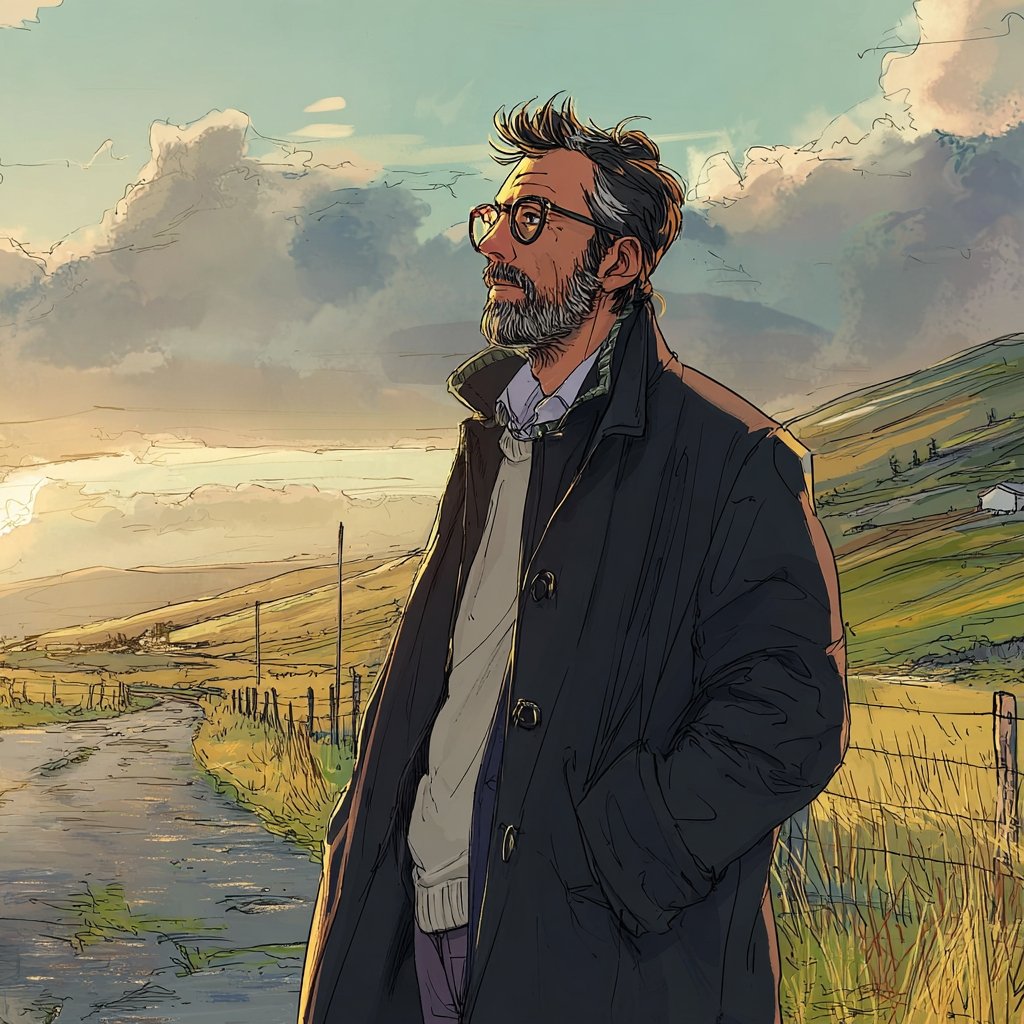
How Men Over 40 Can Let Go of What Wasn’t And Embrace What Is

Best Bachelor Party Destinations: Unforgettable Places for the Ultimate Send-Off

Best Bachelor Party Destinations in Europe: Celebrate in Style