
How Long Do Electric Car Batteries Last? What the Data Actually Shows
Most of us are still catching up on electric vehicles. The cars arrived. The explanations, less so. This article assumes you know nothing about batteries and are here to change that.
Here is the old fear: you spend real money on an electric car, keep it for a few years, and watch the battery age like a semi-old phone that never holds a charge anymore.
Here is the 2026 reality: electric car batteries do degrade. That part is true. But the data now shows that most modern packs are aging more slowly and more predictably than early skeptics assumed.
The questions have shifted. It is no longer “will this battery survive?” It is “how fast does it lose range, which cars age better than others, and what should I actually check before buying used?”
Those are better questions. This article tries to answer them.
The Number That Matters
A 2025 Geotab study analyzed over 22,700 electric vehicles across 21 different models. The average battery degradation rate: 2.3% of capacity per year.
Here is what that means in plain English. A car rated at 300 miles of range today will deliver roughly 267 miles after five years. After eight years, the battery retains about 82% of its original capacity.
That is not a crisis. That is a slow, manageable decline.
One important nuance: that 2.3% figure is actually slightly higher than Geotab’s earlier estimate of 1.8%. The reason is not that batteries are getting worse. It is that real-world EV drivers are fast-charging more often than they used to.
What Actually Speeds Up Battery Aging
There are five things that accelerate degradation. Most of them involve ignoring advice that comes in the owner’s manual, which most people also ignore.
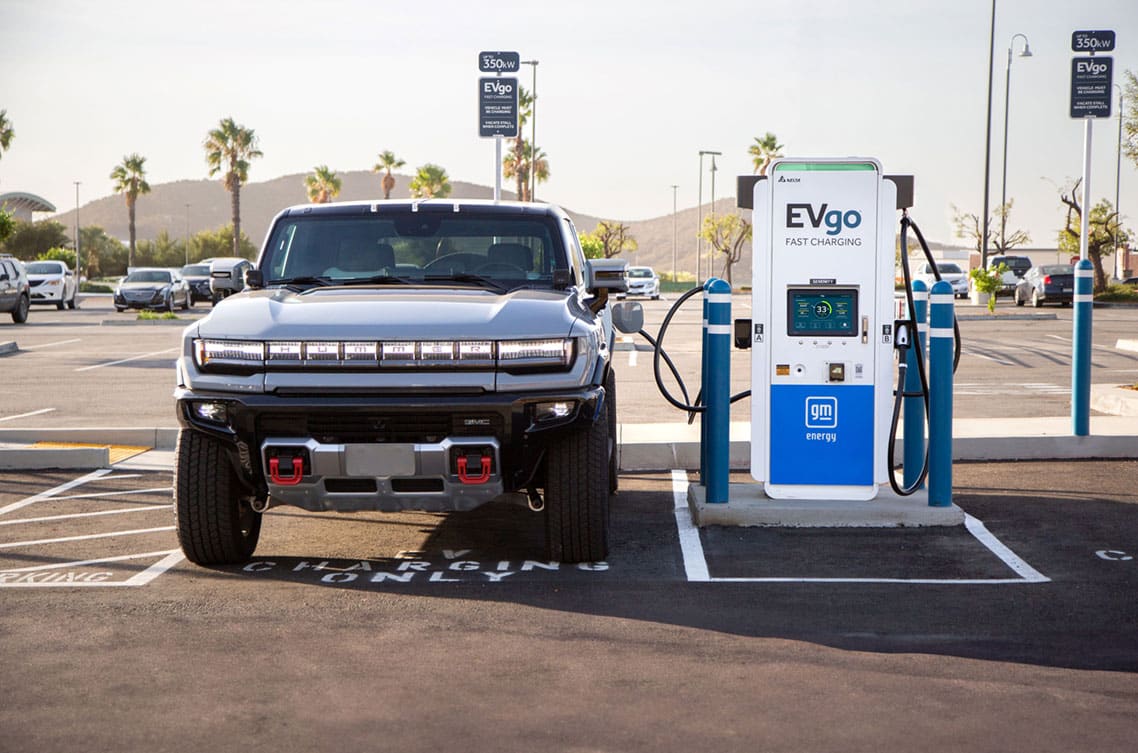
- DC fast charging as a daily habit. The quick chargers at highway stops and shopping centers are convenient. They are also harder on the battery than slower home charging. Heat builds up inside the cells during fast charging, and heat is the main enemy of battery longevity. Use fast chargers when you need them on a trip. Not as your default Tuesday routine.
- Keeping the battery at 100% all the time. High voltage stress wears the cells down over time. Most modern EVs let you set a charge limit. Set it to 80% for everyday use. Charge to 100% before a long road trip. This one habit, done consistently, extends battery life noticeably over years.
- Running it down to zero regularly. The same stress that happens at the top of the range happens at the bottom too. The sweet spot is between 20% and 80%. Not because manufacturers are being cautious. Because that is how the cells were designed to operate.
- Persistent heat. Parking in extreme heat for extended periods matters. Modern EVs use liquid-cooled battery systems that manage temperature far more effectively than early electric cars did. But consistent exposure to high temperatures still adds up over time.
- Time itself. Even if you do everything right, batteries age. This is chemistry. It cannot be prevented. It can be managed. The good news is that it is slow and predictable, which is about as much as you can ask of any component in any car.
Early EVs taught the industry a useful lesson: battery cooling matters. Modern electric cars use liquid-cooled systems that regulate temperature far more effectively, which is one of the main reasons today’s batteries age more slowly and more predictably than the first generation did.
What the Warranties Actually Mean
The legal floor in the US is 8 years or 100,000 miles, with a guarantee that the battery will retain at least 70% of its original capacity. Most manufacturers meet that floor. Several do better.
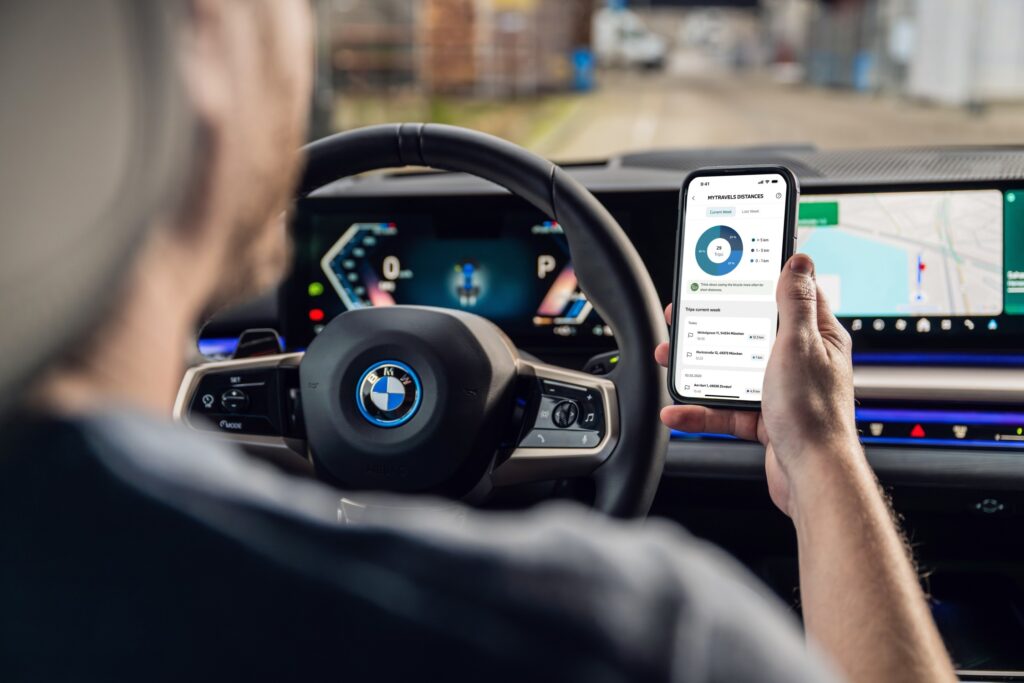
Hyundai and Genesis cover the high-voltage battery for 10 years or 100,000 miles. Kia matches that. Tesla’s coverage is 8 years across all models, but the mileage limit varies by trim: 100,000 miles on Standard Range models, 120,000 miles on Long Range and Performance variants. BMW sits at the 8-year/100,000-mile standard.
The important thing to understand about any warranty: it is the floor, not the expected life. Real-world data consistently shows most batteries outperforming those minimums. The Geotab data projects a battery lifespan of 13 years or more before hitting end-of-life thresholds. Government lab modeling puts useful battery life at 12 to 15 years in moderate climates.
The average American keeps a car for about 8 years. In most cases, the battery will outlast the ownership. It may outlast the car.
The Stuff Nobody Talks About
No oil changes. No transmission fluid. No timing belts, spark plugs, or exhaust systems. Regenerative braking means brake pads last dramatically longer. Some EV owners report their first brake pad replacement at 100,000 miles. In a comparable gas car, you might have done it twice by then.
The drivetrain has a fraction of the moving parts of a combustion engine. Less friction. Less heat from combustion. Less maintenance. The long-term cost of ownership picture for an EV is significantly better than the battery anxiety suggests.
The parts that will eventually need attention: tires wear faster on heavier EVs with instant torque. The 12V auxiliary battery is small, cheap, and often ignored until it inconveniently fails. And software. An EV is a computer that moves, and manufacturers have genuinely different track records on how long they support older models with updates.
Buying Used: The 2026 Checklist
The used EV market has matured enough that generic advice no longer cuts it. Here is what to actually do.
Ask for a battery state-of-health report. This is a diagnostic readout of what percentage of the original battery capacity remains. Most dealerships and independent mechanics can produce one. If a seller cannot or will not provide it, that is the answer.
Compare the displayed range to EPA-rated range. If the car shows significantly less maximum range than it was rated for new, that degradation is already happening. Factor it in.
EPA-rated range is a standardized, laboratory-tested estimate of an electric vehicle’s distance on a full charge, commonly using a 55% highway/45% city split to calculate a combined figure.
Check fast-charging history if the platform exposes it. Some manufacturers log this. A car that spent years being DC fast-charged daily has had a harder life than one primarily charged at home overnight.
Verify remaining battery warranty. Many manufacturers allow warranty transfer to a second owner. Some do not. Knowing whether you inherit the coverage or start from zero is worth confirming before any money changes hands.
Confirm the charging port situation. This is the most 2026 thing on this list, and it matters more than most buyers realize. See the section below.
The Question Buyers Now Need to Ask: What Connector Does It Have?
The Connectors: What You’ll See on the Road
EV charging in North America didn’t start unified. It evolved. And in 2026, we’re finally watching it settle.
Here’s the landscape.
J1772 (2010–Present — The Everyday Standard)
This is the connector most non-Tesla EVs have used for over a decade.
- Used for Level 1 and Level 2 (home + public AC charging)
- Found on cars from mid-2010 through early 2020s.
- Still widely supported across North America, especially for home charging
Think of it as the default home charging plug for the pre-Tesla-dominant era.
CCS1 (2015–2025 — The Fast-Charging Era)
CCS1 builds on J1772 by adding two extra pins for DC fast charging.
- Supports DC fast charging (road trips, highways)
- Used by most brands: Ford, VW, Hyundai, BMW (pre-2026)
- Dominant fast-charging standard until recently
You’ll still see this everywhere in the used market. It’s not obsolete. It’s just… no longer the future.
NACS / SAE J3400 (2023–Future — The New Standard)
Tesla’s connector, now standardized as SAE J3400, is becoming the new default.
- Handles both AC and DC charging in one plug
- Smaller, lighter, easier to use
- Backed by Tesla’s Supercharger network
As of 2026:
- Most new EVs are switching to this
- Adapters exist for older cars
- Infrastructure is rapidly aligning around it

North America is in the middle of a charging connector transition. SAE J3400, based on Tesla’s North American Charging Standard connector, is becoming the dominant charging format.
New EVs from most major manufacturers now come with J3400 as standard. The charging network built around it is expanding rapidly.
A used EV with an older CCS connector is not unusable. Adapters exist. But it is a different ownership experience than a car that plugs in natively wherever you go.
When buying used, the practical questions are: does this car have native J3400 access, or does it need an adapter? Which fast-charging networks does it connect to easily, and which require a workaround? Will that matter for how and where you actually drive?
A healthy battery that is awkward to charge is a different proposition from a healthy battery that plugs in everywhere. Both questions deserve the same attention.
The Verdict
Electric car batteries are not immortal, and they are not disposable. The honest picture in 2026 is something less dramatic and more useful than either extreme: most modern electric car batteries degrade gradually, stay well above warranty floors during normal ownership, and remain practical for well over a decade.
The real variables are no longer mysterious. Heat matters. Daily fast charging matters. Sitting at 100% all the time matters. So do software support, warranty terms, and charging access.
The battery is not the fragile weak point many buyers imagined. In most cases, the smarter concern is whether the rest of the ownership experience, from charging standards to long-term service support, ages as well as the pack itself.
Understand the battery. Ask about the connector. Then buy the car.
The March 2026 Factor: What’s Happening at the Pump
The ongoing conflict in the Middle East has disrupted oil supply and pushed gas prices sharply higher across the US. Drivers are noticing. So is the car market.
EV interest has spiked in direct response. Search traffic for electric vehicles jumped significantly in the weeks following the start of the conflict. On Edmunds, electrified vehicle research rose noticeably as a share of all car shopping activity. A Bloomberg piece from March 14 profiled a committed car enthusiast who drives 220 miles a day in a full-size Silverado and is now, begrudgingly, shopping for an electric pickup because his daily gas bill has become impossible to ignore.
Gas spikes. Electric car searches spike. Some of those searches become purchases. Most do not, at least not immediately. Harvard economist Elaine Buckberg puts the threshold at three to six months of sustained high prices before consumers not already in the market begin to reconsider their next vehicle.
What is different in 2026 is that the infrastructure case has changed. The charging network is larger, faster, and more standardized than it was four years ago. The vehicles are better. The price gap between EVs and comparable gas cars has narrowed. And residential electricity prices, while rising, remain dramatically more stable than gasoline. As UC Davis economics professor Erich Muehlegger put it: EV owners are largely unaffected by oil price shocks because electricity is regulated and far less volatile than fuel.
Frequently Asked Questions
How many miles does an EV battery last?
Most modern electric car batteries are projected to last well beyond 150,000 miles before significant capacity loss. Tesla’s engineering targets for long-range packs are 300,000 to 500,000 miles. Real-world data at those mileages is still limited, simply because most EVs on the road are relatively new. The trajectory is positive.
How much does it cost to replace an EV battery?
Replacement remains expensive today. Current costs for a full pack replacement can run into the tens of thousands of dollars, depending on the model. That said, battery prices have been declining steadily as manufacturing scales, and the economics several years from now are expected to look meaningfully better than today’s figures. Most owners will never need a full replacement during normal ownership.
Does cold weather permanently damage an EV battery?
Cold weather reduces range temporarily but does not cause meaningful long-term degradation in modern liquid-cooled systems. You will get fewer miles on a cold January morning. You will not shorten the battery’s life. Expect reduced range in winter. Do not expect permanent damage.
What is the best way to charge an EV to preserve battery life?
Keep daily charging between 20% and 80%. Charge to 100% only before long trips. Use DC fast chargers when you need them on the road, not as your default at-home routine. Avoid leaving the battery at 0% for extended periods. These habits, practiced consistently over the years, make a measurable difference in long-term battery health.
Electric Cars 101: A Beginner’s Guide to EVs
Jaguar Electric Cars: Pioneering Autonomous Driving

Enzo Ferrari Museum: A Tribute to the Man Behind the Legend
High-Performance Electric Vehicles: Porsche, Lamborghini, and Other Supercar Innovators

Ferrari History: A Racing Legacy Forged in Passion