Mod Haircut for Men: From 1960s London to Modern Style
The mod haircut is a revolutionary men’s hairstyle that emerged from 1960s British youth culture, combining sharp precision with effortless sophistication to deliver a clean, geometric appearance that embodies both rebellion and refinement in equal measure.
“Emerging in the early 1960s, the ‘Modernists’ were a style-driven subculture of young men and women who dressed sharply as a quiet rebellion against the austerity of their parents’ generation. Evolving into the Swinging Sixties, they helped shape the very idea of the modern teenager.” — Source: Museum of Youth Culture.
What Is a Mod Cut?
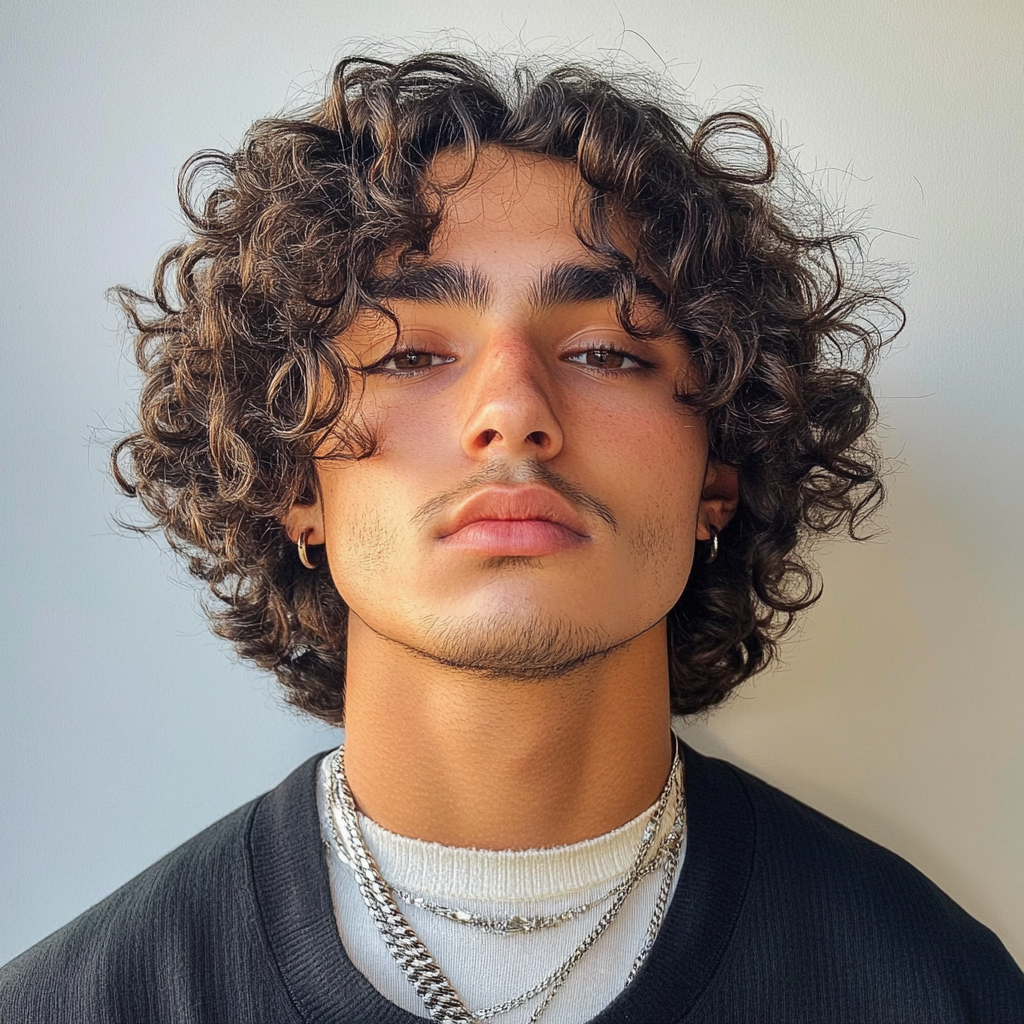
The mod haircut is a bold, fashion-forward men’s hairstyle defined by longer textured hair on top, full sides, and a thick fringe. Often styled with wispy volume and a natural, slightly messy flow, it strikes the perfect balance between casual and cool.
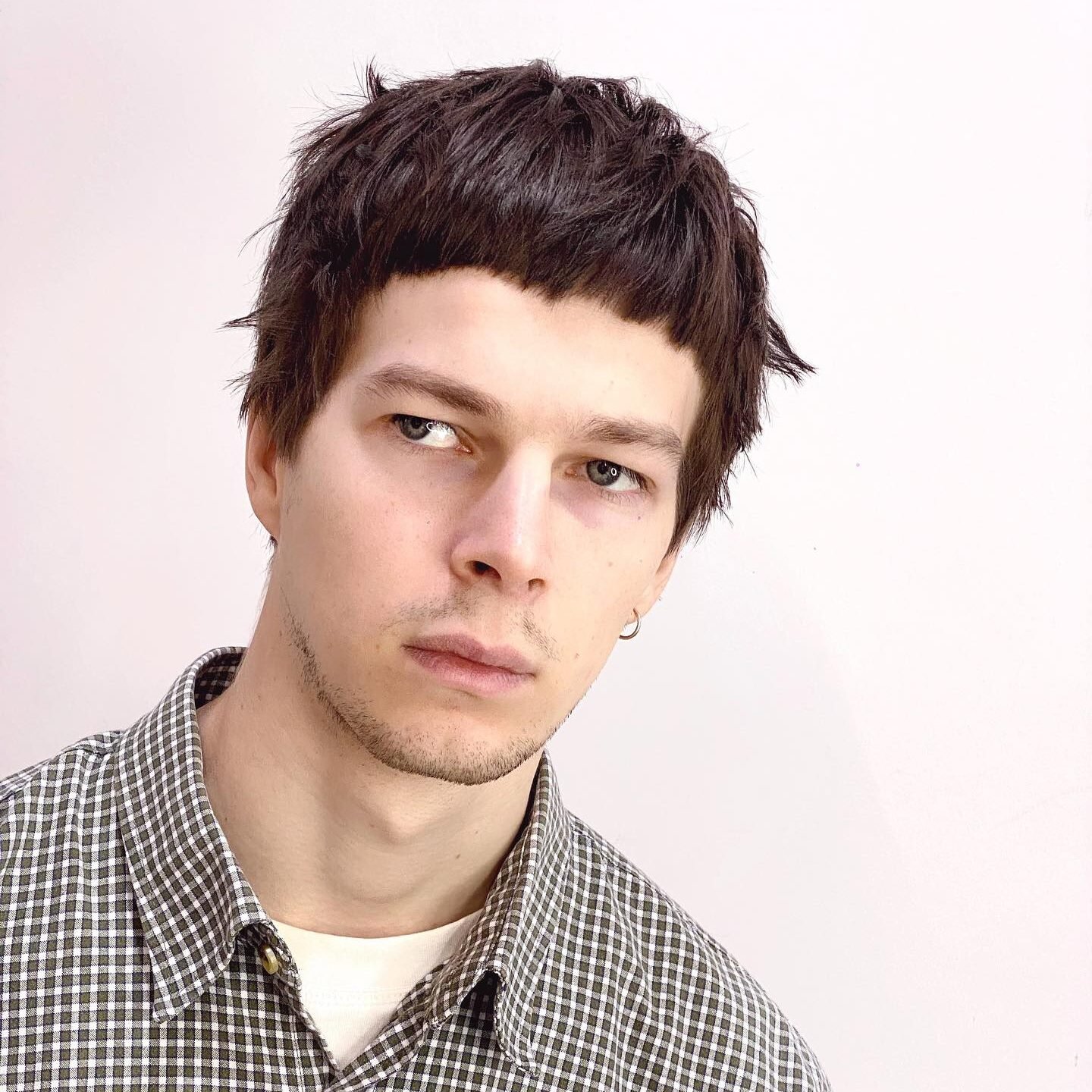
This iconic, structured cut features precisely trimmed hair with clean lines, subtle texture, and carefully crafted shape that emphasizes natural movement while maintaining the disciplined aesthetic that defined an entire generation of style-conscious men.
Why the Mod Haircut Remains Effortlessly Cool Today
The mod haircut continues to be a go-to choice for style-conscious men because it masterfully balances rebellion with refinement—a combination that never goes out of fashion. Unlike fleeting trends that come and go, the mod cut taps into something deeper: a timeless haircut for both professional, fashion-forward settings and casual dates.
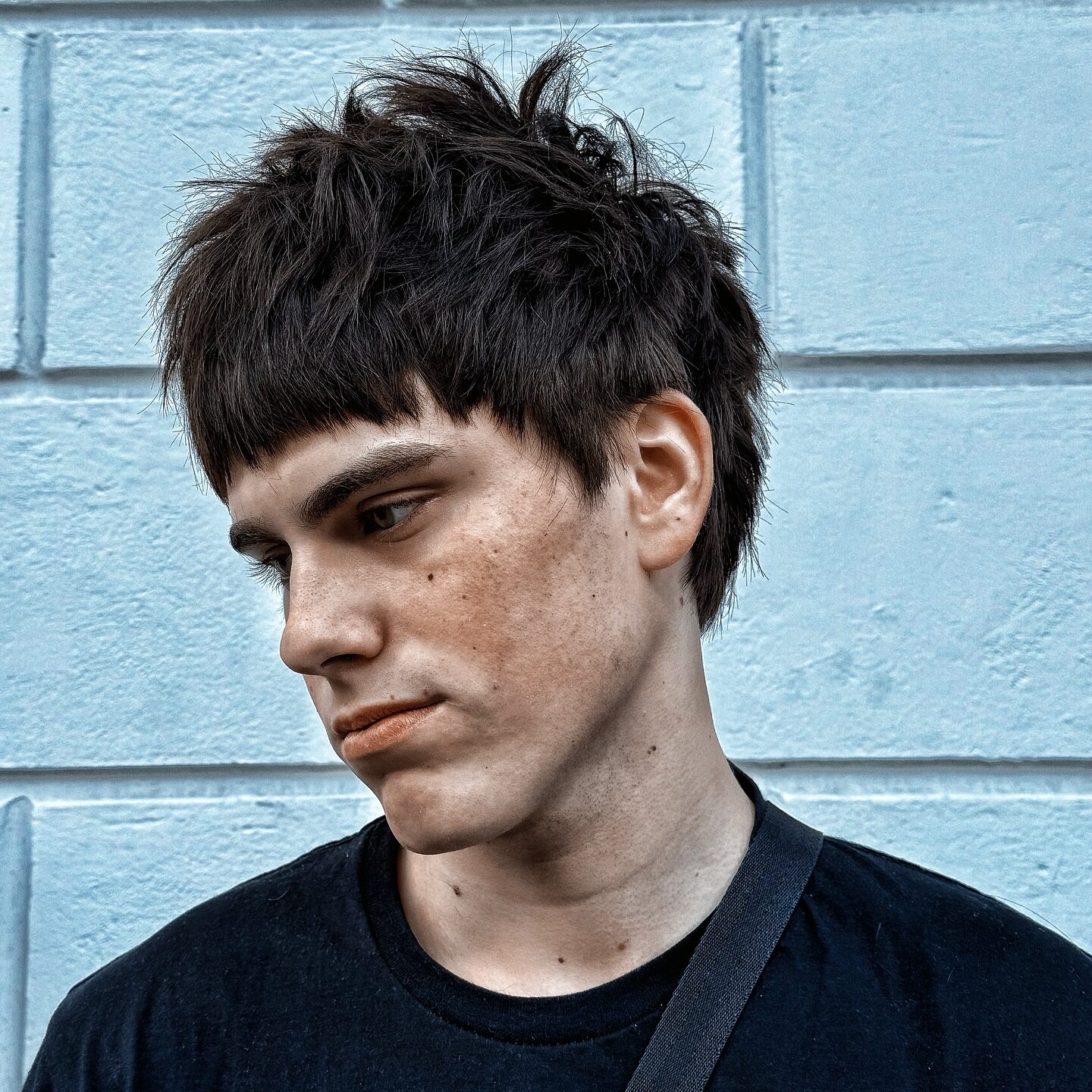
Modern masculinity embraces sophistication over showiness, and the mod haircut delivers exactly that. It’s the kind of style that suggests you understand quality, appreciate history, and value craftsmanship. These are qualities that resonate strongly in our current cultural moment, where authenticity and heritage are highly prized.
The mod cut’s roots in British working-class rebellion give it an edge that purely traditional styles lack—it’s sophisticated without being stuffy, classic without being conservative.
The Origins and Evolution of the Mod Haircut
1960s British Youth Culture Revolution
The mod haircut originated in early 1960s London as part of the broader “Modernist” youth movement, where fashion-conscious young men rejected the conservative styles of their parents in favor of sharp, continental European influences. These style pioneers, known as “Mods,” embraced Italian and French fashion sensibilities, creating a distinctive aesthetic for teens and young men that emphasized clean lines, precision tailoring, and meticulous grooming.
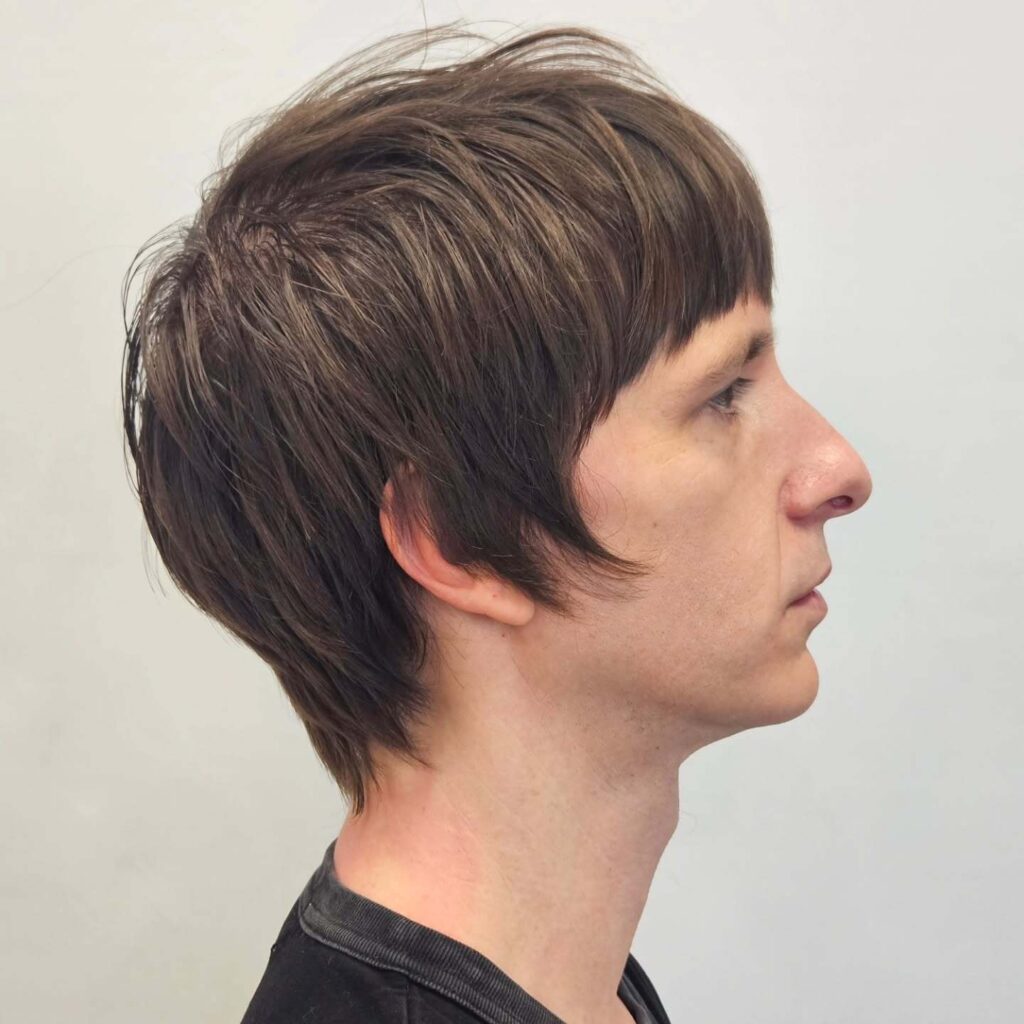
The original 1960s mod haircut drew inspiration from European styles, particularly the neat, structured cuts popular in Rome and Paris. British barbers adapted these continental influences to create a uniquely British interpretation that featured shorter sides, precisely styled tops, and an overall emphasis on geometric shape and clean definition.
Cultural Impact and Musical Influence
The mod movement gained significant momentum through its association with influential British music band from the so-called 1960s British Invasion. Members of bands like The Who, The Kinks, and Small Faces became style icons for the rapidly growing mod community. These musicians didn’t just perform mod music. They embodied the complete mod lifestyle, including the distinctive haircuts that became synonymous with the movement.
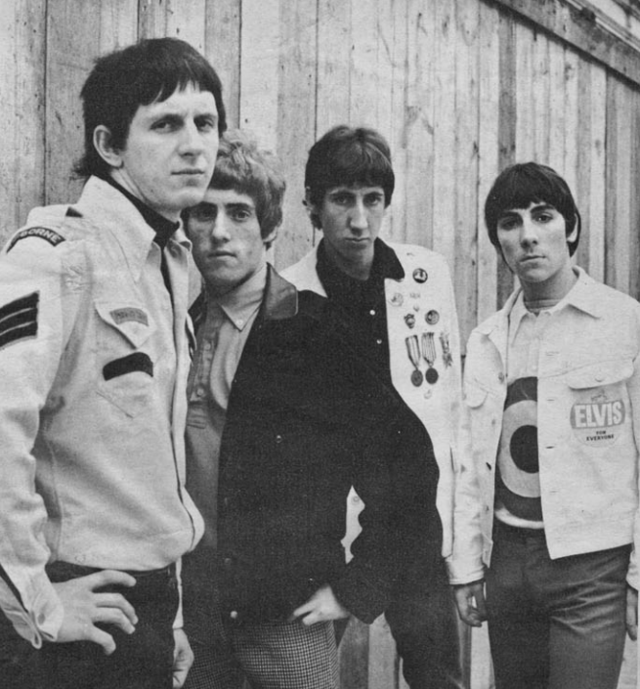
The haircut became a symbol of youth rebellion and cultural sophistication, representing a departure from both the conservative short cuts of the establishment and the longer, more casual styles that would later define the hippie movement. The mod cut struck a perfect balance between neat respectability and subtle defiance.
1970s-1980s Evolution
As the original mod movement evolved through the late 1960s, the haircut adapted to changing fashion trends while maintaining its core characteristics of precision and geometric structure. The mod revival of the late 1970s and early 1980s, influenced by bands like The Jam and Madness, brought renewed attention to classic mod styling while introducing subtle contemporary updates.
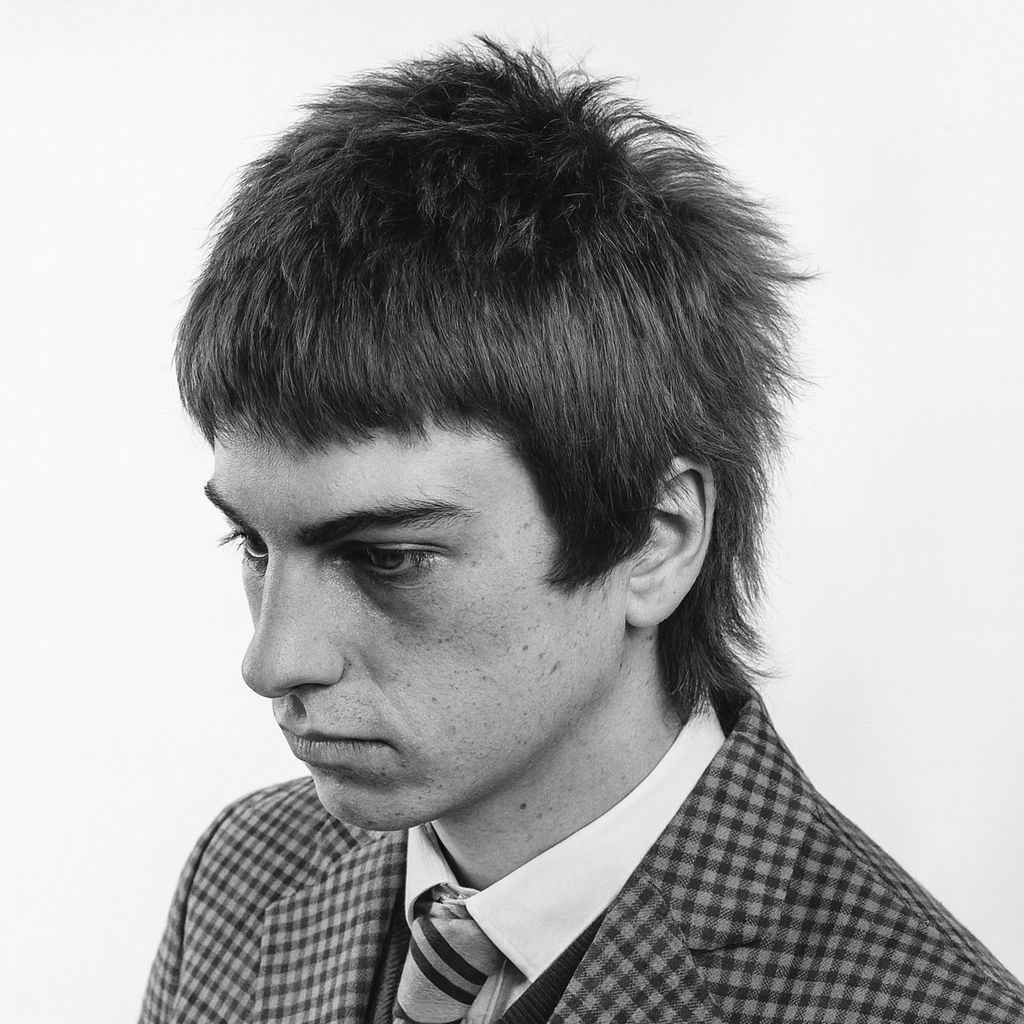
During this period, the mod cut incorporated elements from punk and new wave aesthetics, resulting in sharper contrasts, more dramatic side parts, and increased emphasis on texture and movement while preserving the fundamental mod principles of clean lines and structured shape.
Understanding the Mod Family: Bowl Cut, Mop Top, and Mod Cut Connections
Before exploring modern variations, it’s essential to understand the relationship between three iconic 1960s hairstyles that often get confused:
The Classic Mod Cut
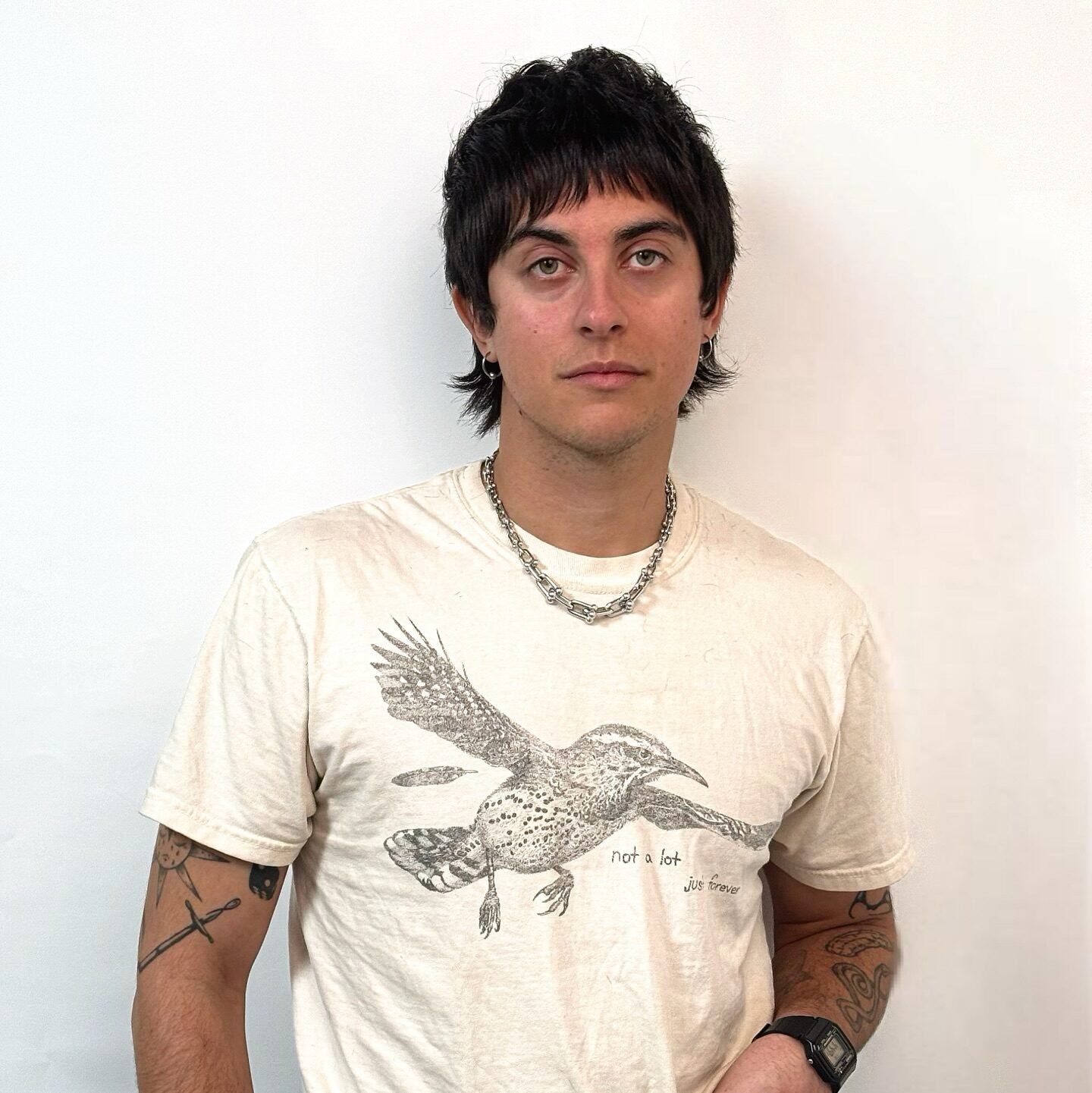
The authentic mod haircut features clean lines, sharp edges, and a dash of retro flair that first gained popularity in the 1960s, thanks to the British Mod subculture. Traditional mod cuts emphasized smooth styling and hairstyles that imitated the look of French Nouvelle Vague film actors such as Jacques Dutronc, but with sophisticated geometric shapes and more precise definition.
The Bowl Cut Connection
The bowl cut is best known as one of the most popular 60s hairstyles, also known as the ‘five-point haircut’. The look was created in the mid-1960s as part of the broader mod aesthetic. While sharing the mod movement’s emphasis on geometric precision, bowl cuts featured more uniform length around the entire head.
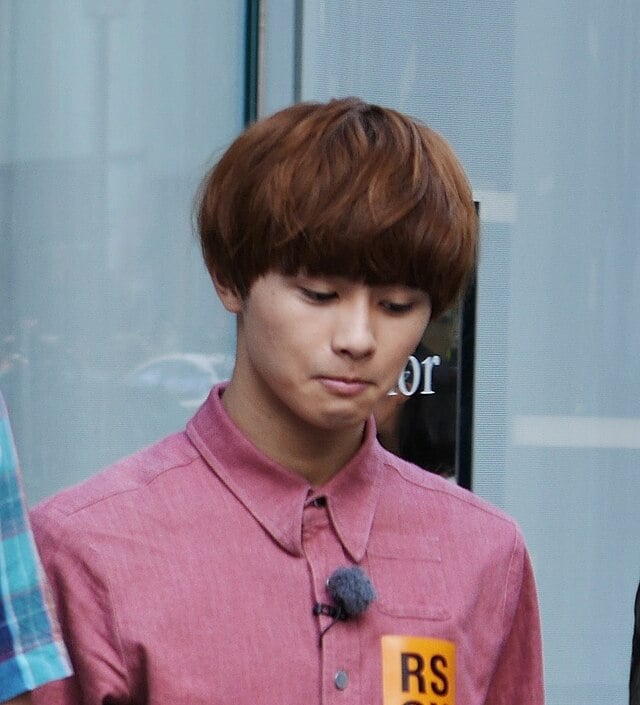
The Beatles’ Mop Top Distinction
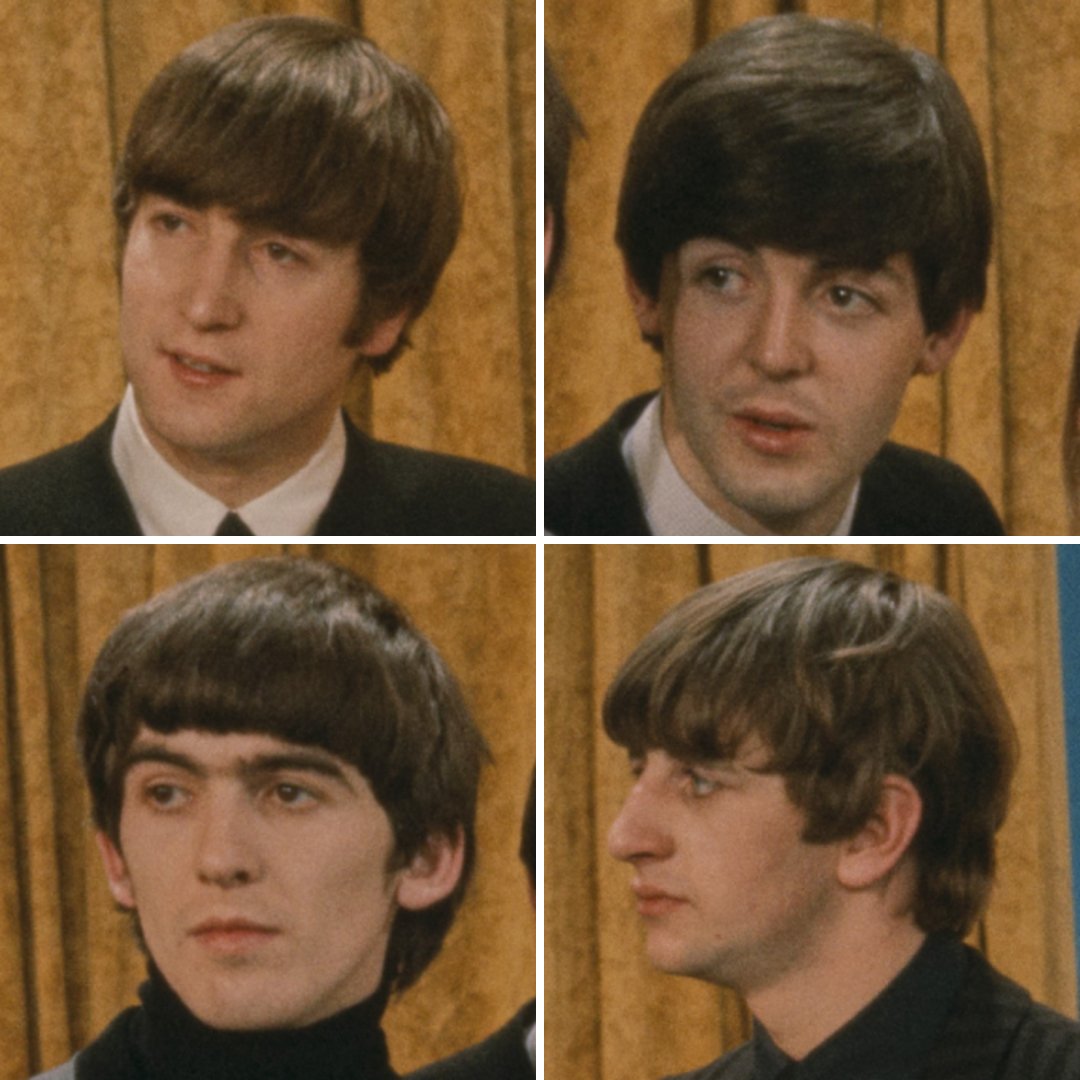
The Beatles, with their signature mop-top haircuts, epitomized the mod aesthetic and influenced countless men around the world to adopt similar styles. However, the Beatles’ mop-top look, characterized by its simplicity and youthful appeal, featured longer, shaggy hair with bangs that covered the forehead, making it softer and less structured than traditional mod cuts.
Key Relationships:
- Mod Cut: Structured, geometric, continental European-influenced
- Bowl Cut: Uniform geometric shape, mod movement-inspired precision
- Mop Top: Softer, longer variation popularized by The Beatles
Common DNA: All three emphasized clean lines, youthful rebellion, and departure from more conservative 1950s men’s hairstyling.
Modern Mod Hairstyles: British Cool Meets Today’s Style
The Contemporary Classic Mod
The contemporary classic mod updates traditional 1960s proportions with modern cutting techniques, maintaining authentic geometric structure while incorporating subtle texturing for enhanced movement and wearability. This refined approach honors the original mod aesthetic through precise side lengths and carefully structured top sections while using contemporary styling products for improved hold and natural finish.
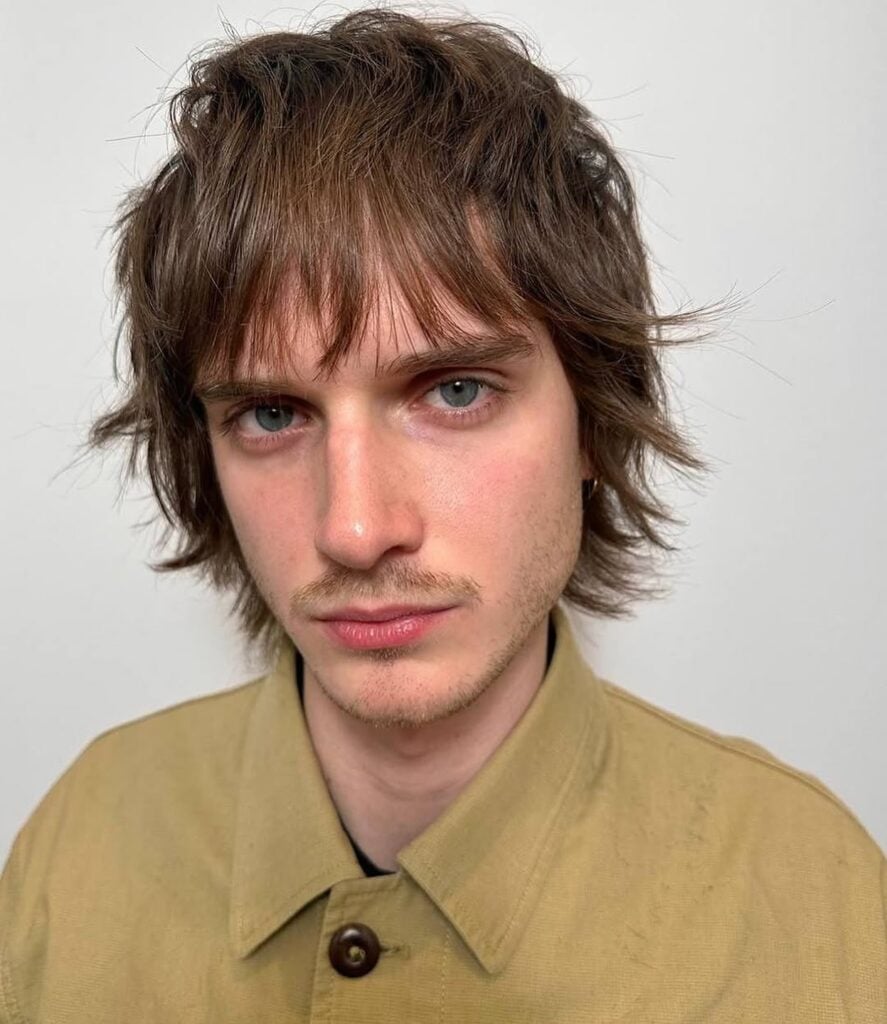
Styling: Apply lightweight pomade to damp hair, comb into place with clean part, and finish with matte texture spray for contemporary appeal.

The Textured Crop Mod Cut
The textured crop mod cut combines mod precision with strategic choppy layers that create natural movement and dimensional appeal. This trendy haircut is perfect for men who want structured sophistication with effortless styling versatility. This modern interpretation maintains clean side lines while introducing subtle texture variation throughout the top section.
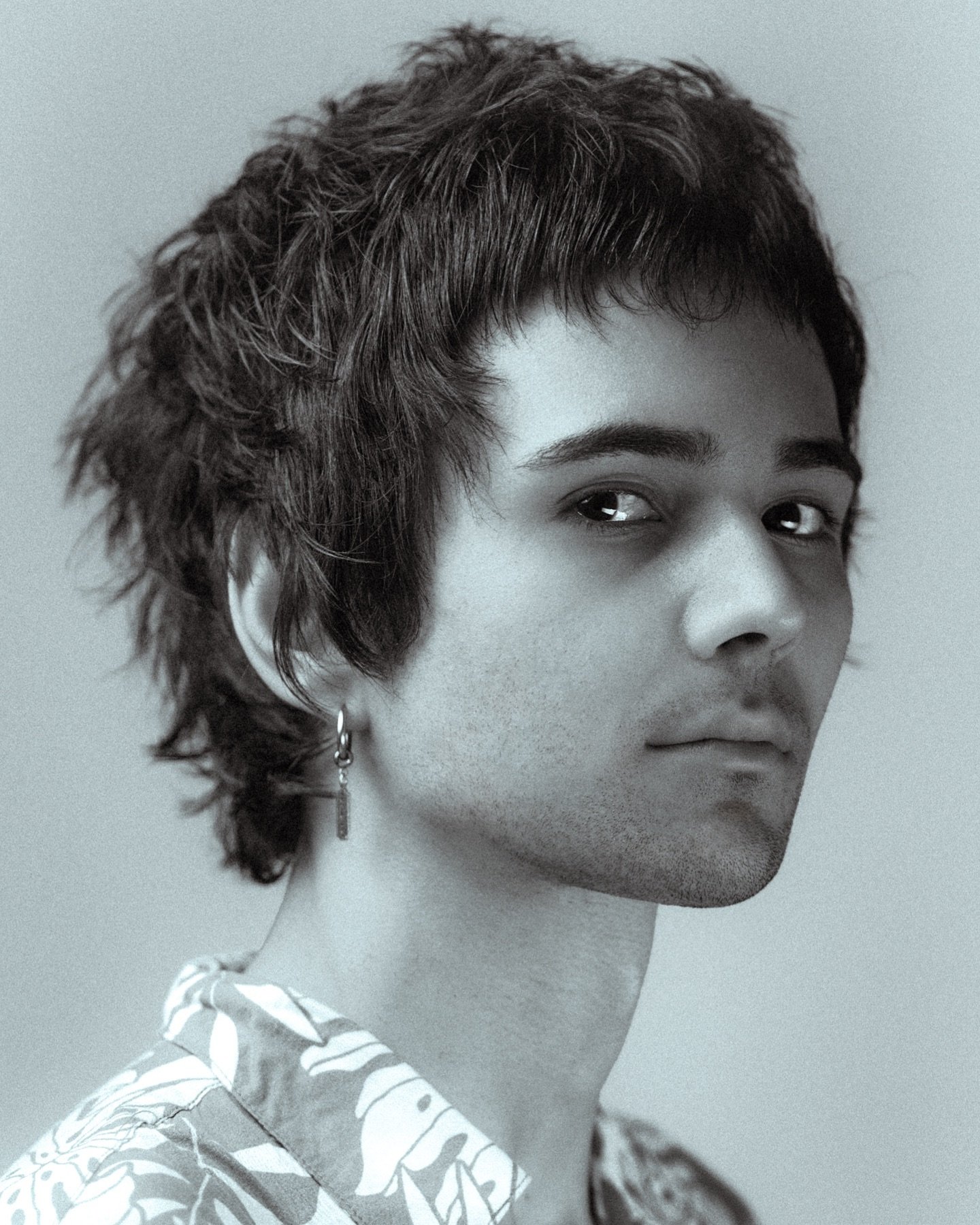
Best For: Men with naturally thick hair who want controlled volume with geometric definition.
The Modern Mullet Mod Cut
The modern mullet mod cut reimagines the classic mullet through mod precision and geometric structure, featuring shorter, controlled sides with carefully graduated length that maintains mod sophistication while embracing contemporary mullet revival trends. This daring interpretation combines mod’s signature clean lines with the mullet’s distinctive “business front, party back” philosophy, creating a bold style that honors both cultural movements through expert cutting techniques.
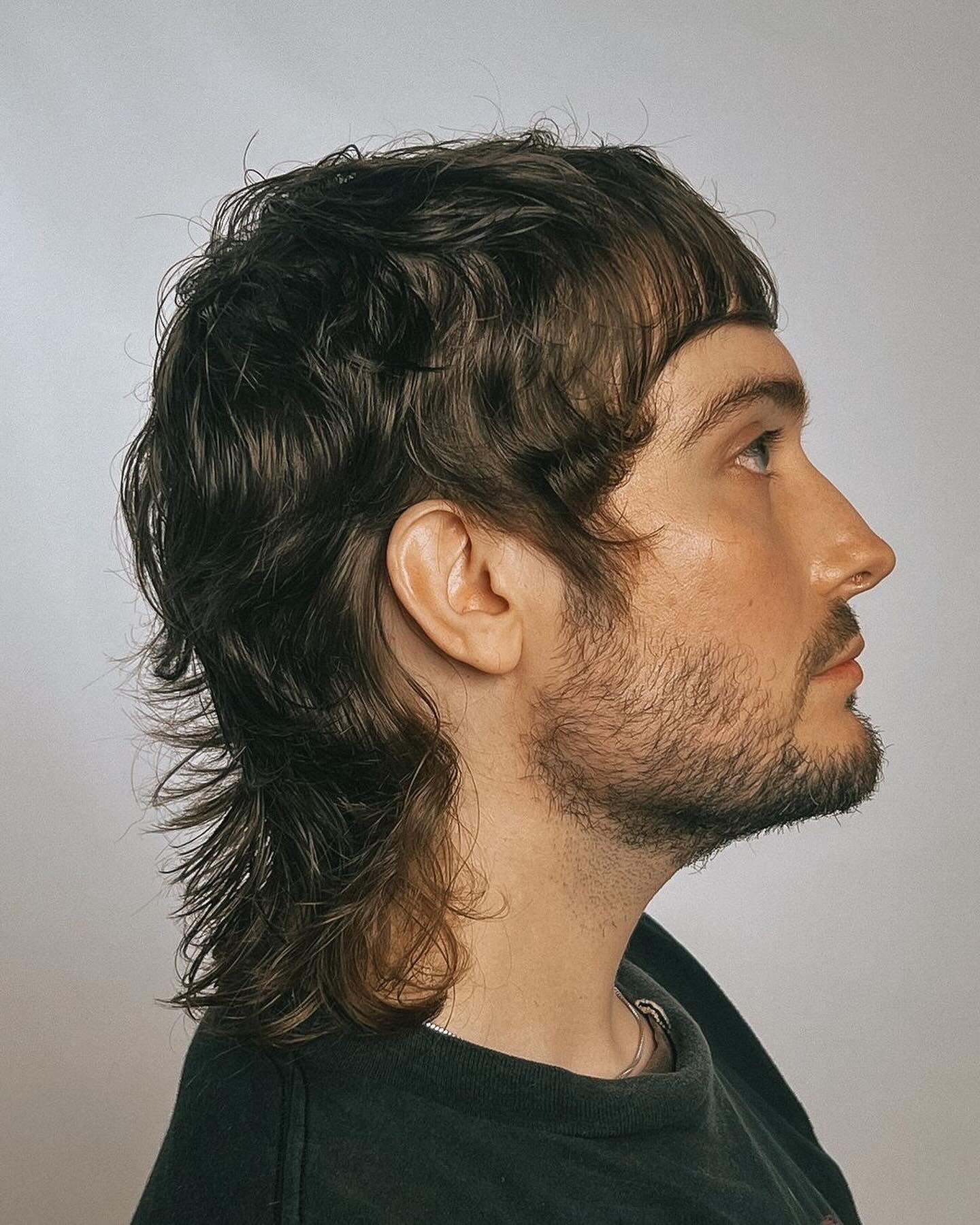
Maintenance: Requires monthly professional shaping to maintain the balance between mod precision and mullet proportions while keeping the overall silhouette sharp and intentional.
The Taper Mod Cut
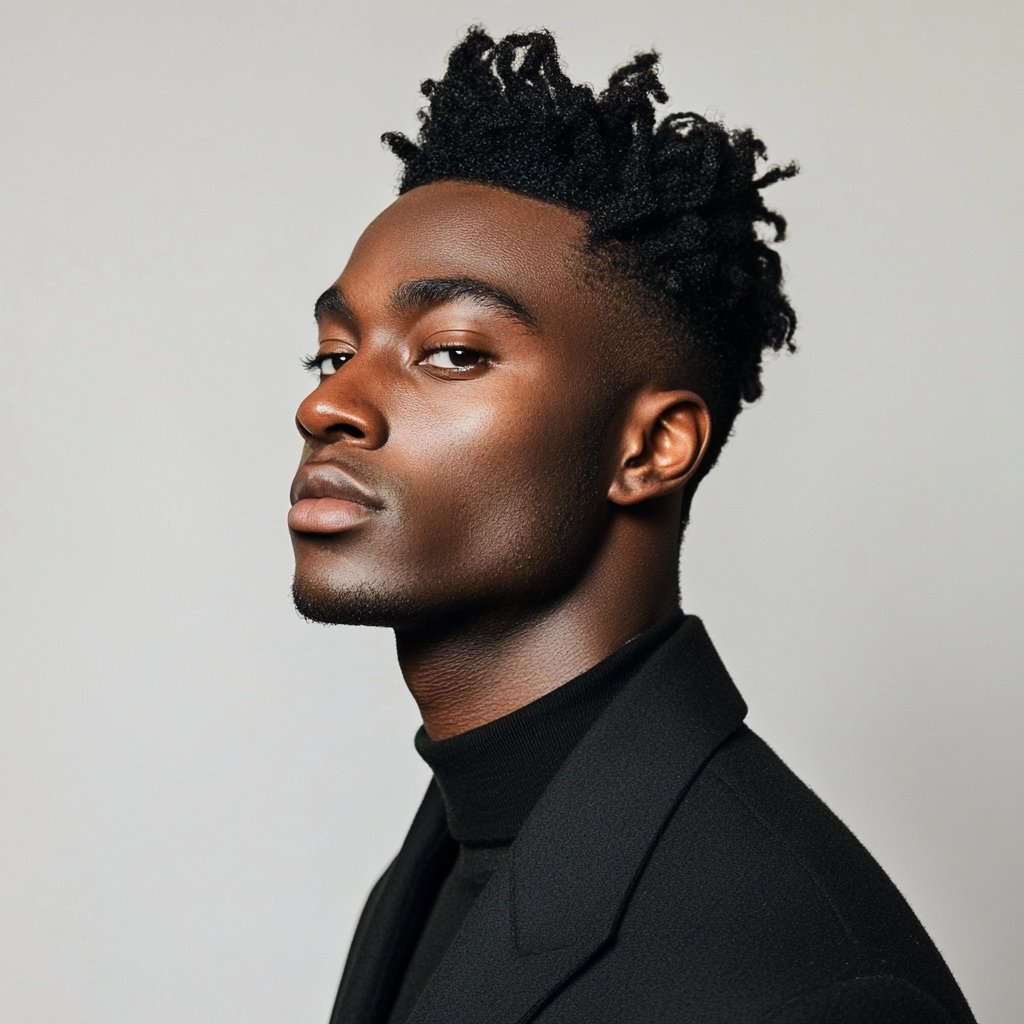
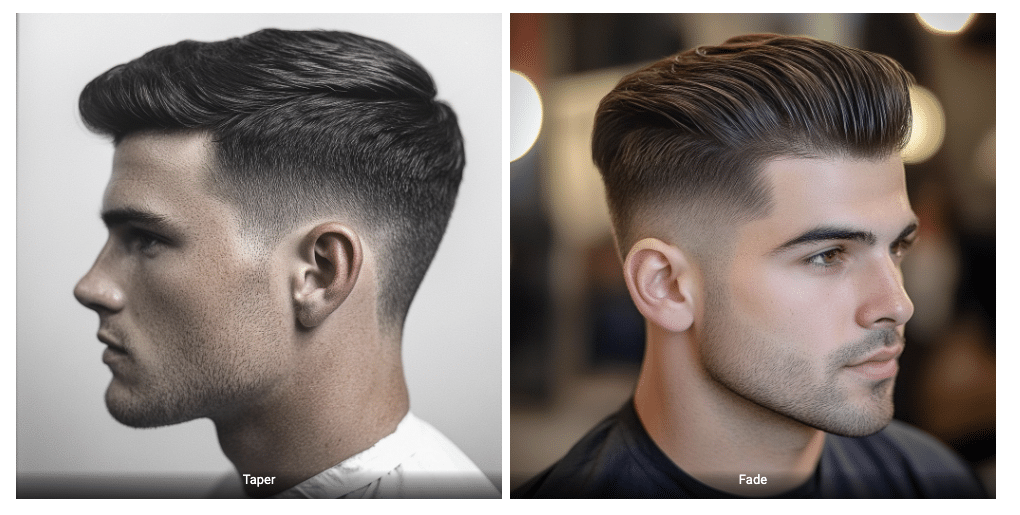
The taper mod cut combines the gradual length reduction of classic tapering with traditional mod structure, creating subtle transitions that maintain the mod’s geometric precision while offering a more conservative approach than sharp fade haircuts. This refined technique provides professional versatility while preserving the mod’s sophisticated continental European influence through expertly blended sides.
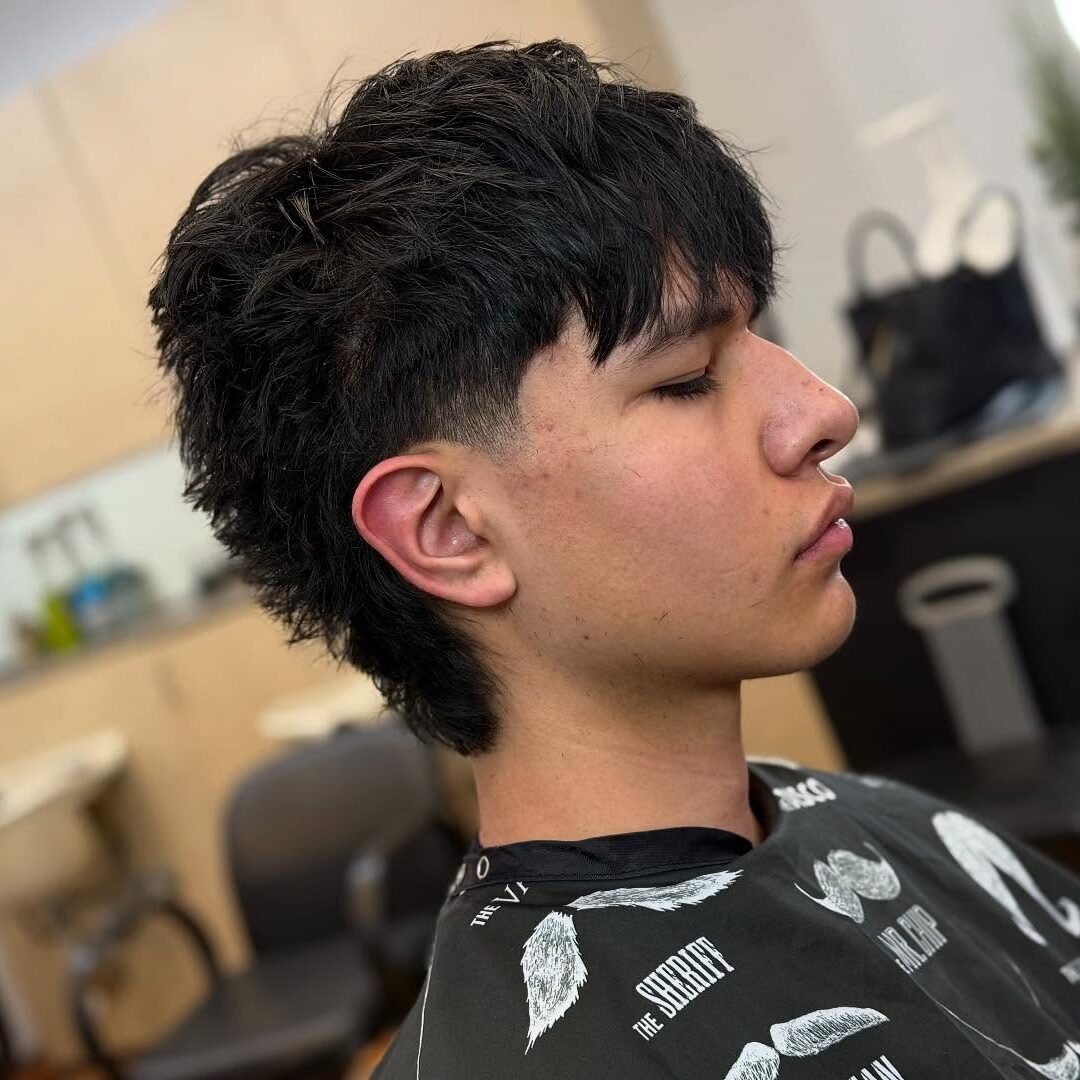
Styling Tip: Apply lightweight pomade with a fine-tooth comb for smooth definition, emphasizing the taper’s gradual transition while maintaining mod precision.
The 90s Britpop Mod Revival
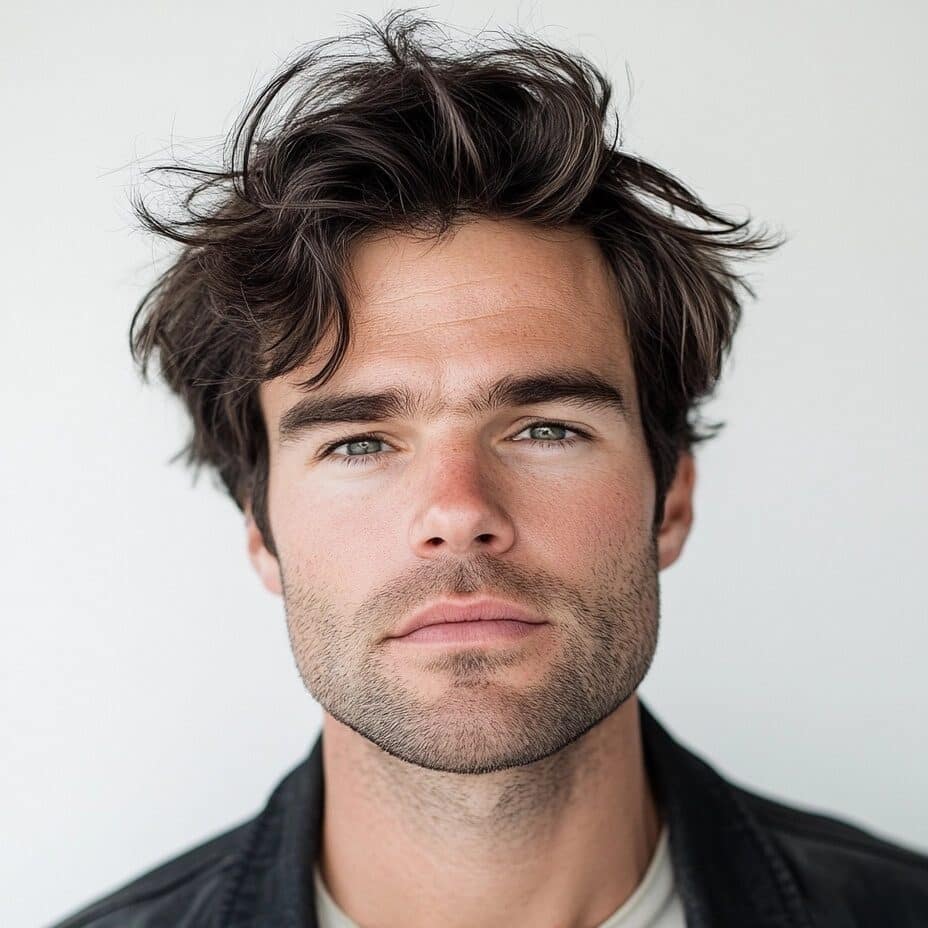
The 90s Britpop mod revival emerged from Britain’s alternative music scene as a deliberate reinterpretation of classic mod aesthetics, featuring longer lengths, more textured styling. This is the rebellious spirit that defined bands like Oasis, Blur, and Pulp.
This cultural resurgence combined traditional mod geometric principles with grunge-influenced dishevelment and proto-emo sensibilities, creating a deliberately imperfect look that maintained mod sophistication while embracing 90s youth culture’s rejection of polished perfection.
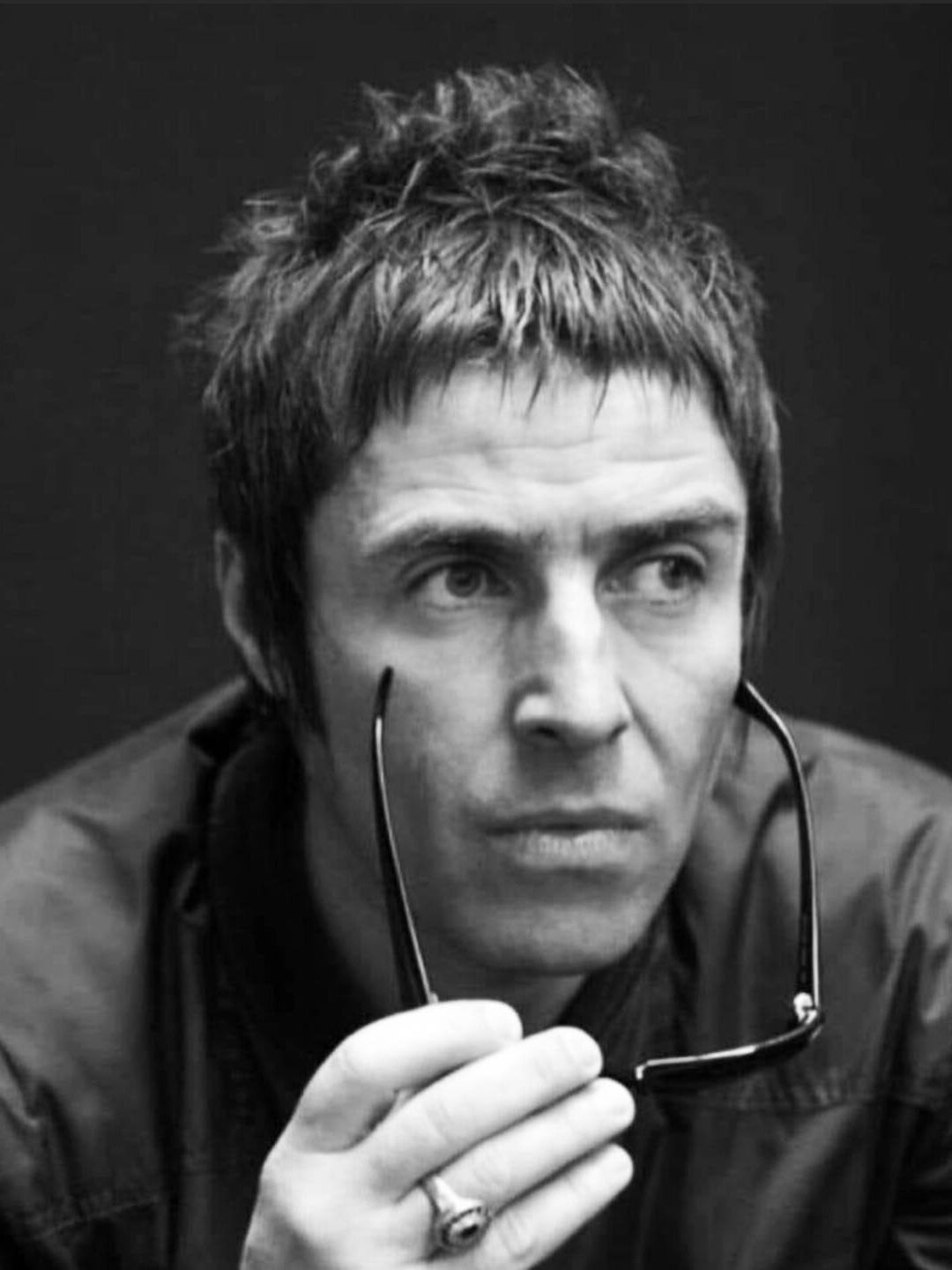
The style featured longer fringes that often covered one eye, asymmetrical cutting that borrowed from both mod precision and alternative subculture aesthetics, and a casual approach to styling that suggested effortless cool rather than meticulous grooming.
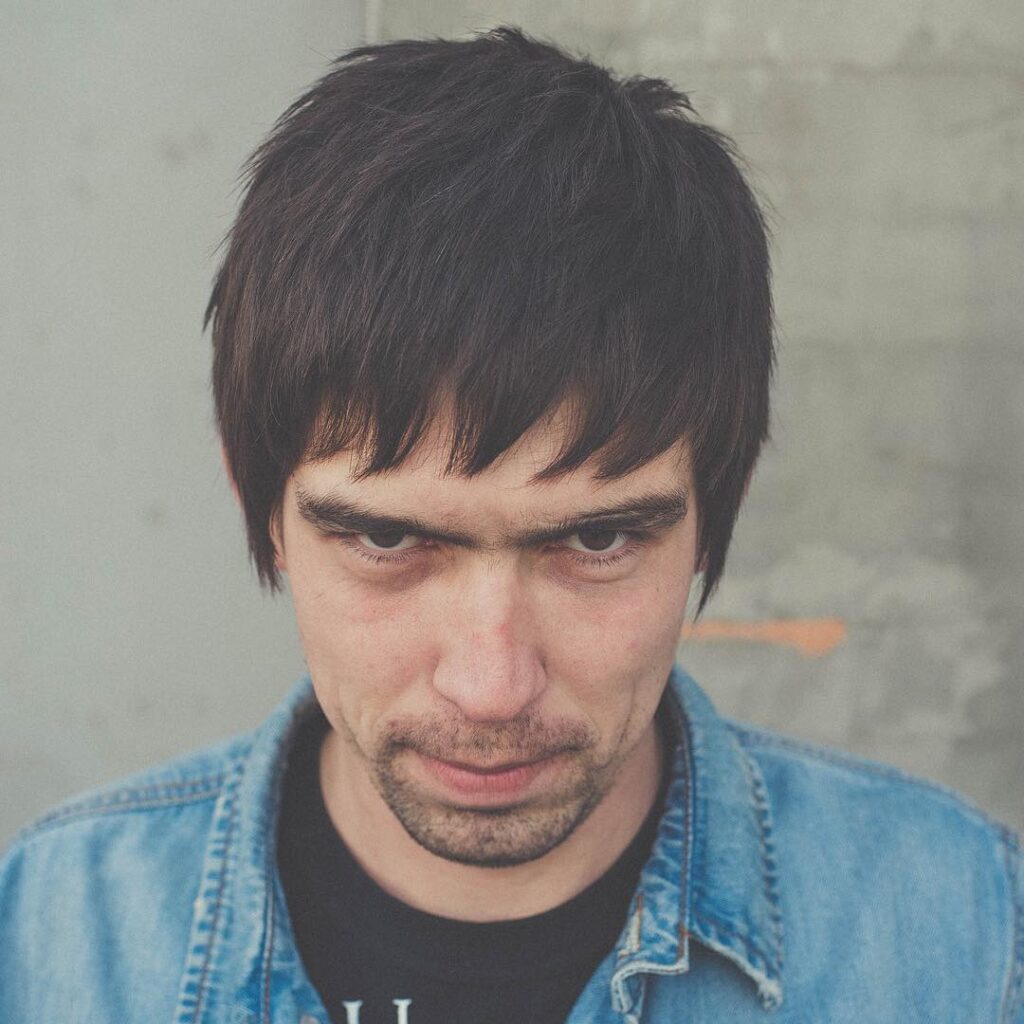
This interpretation reflected the 90s fashion and music scene’s complex relationship with British cultural heritage, simultaneously honoring and subverting traditional mod values through deliberate imperfection and extended proportions.
Cultural Impact: Represented the intersection of British musical heritage with 90s alternative culture, influencing how subsequent generations would reinterpret classic styles through contemporary subcultural lenses.
The Short and Shaggy Mod Cut
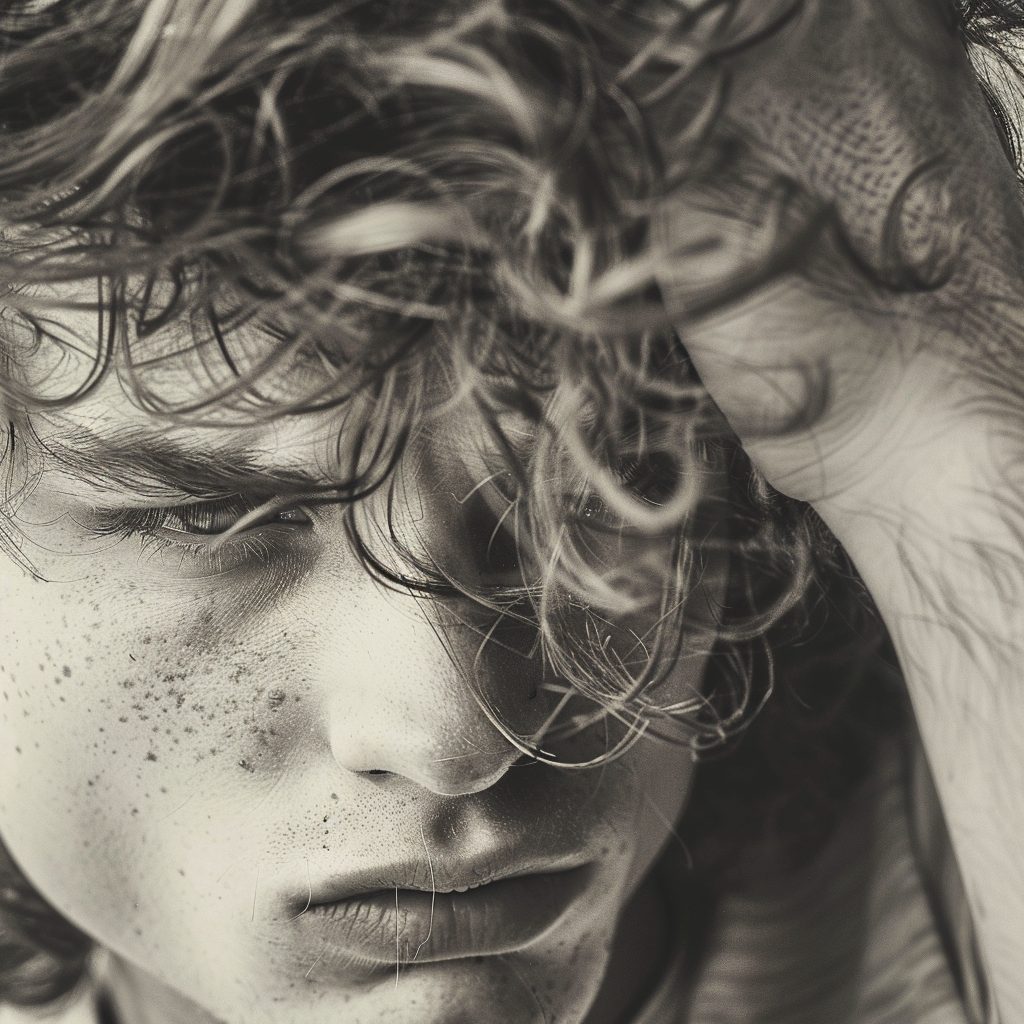
The short and shaggy mod cut combines mod geometric precision with deliberately tousled texture, creating controlled chaos that maintains structured sophistication while embracing natural movement and effortless appeal.
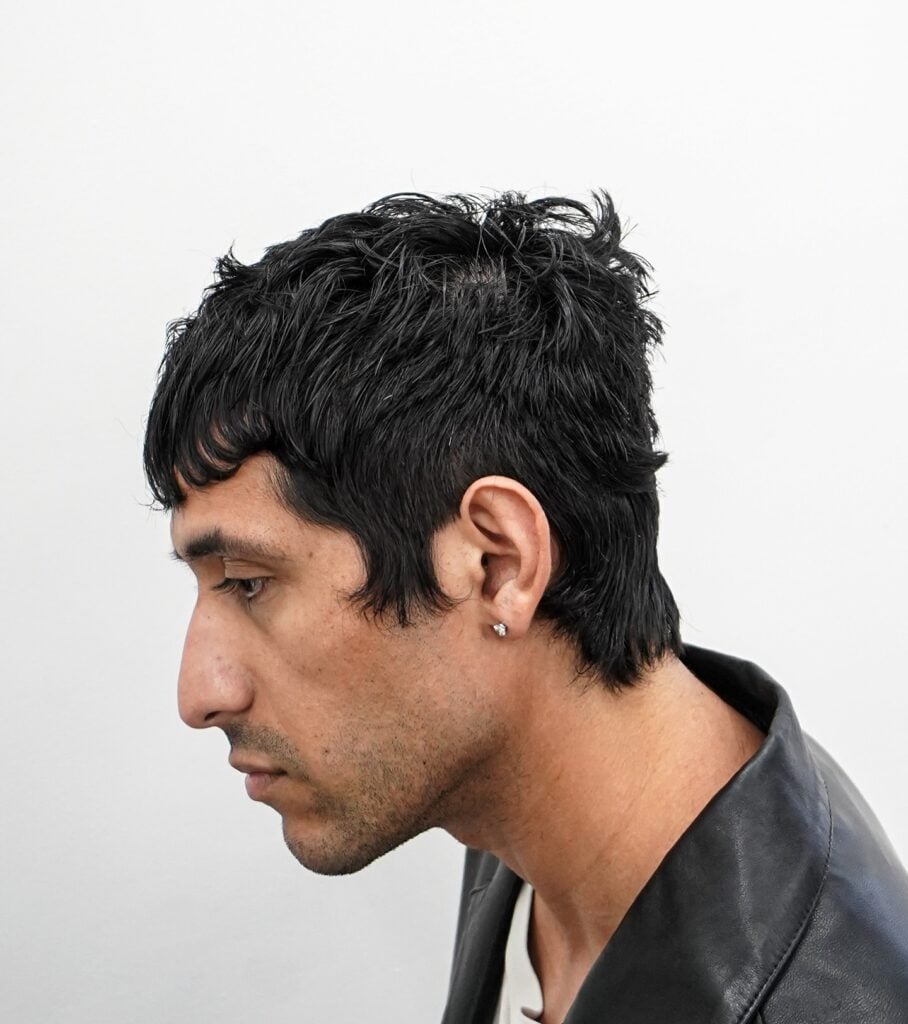
This modern interpretation features shorter overall length with strategic layering that adds dimension and visual interest. It is perfect for men who want mod heritage with relaxed, lived-in styling that requires minimal daily maintenance.
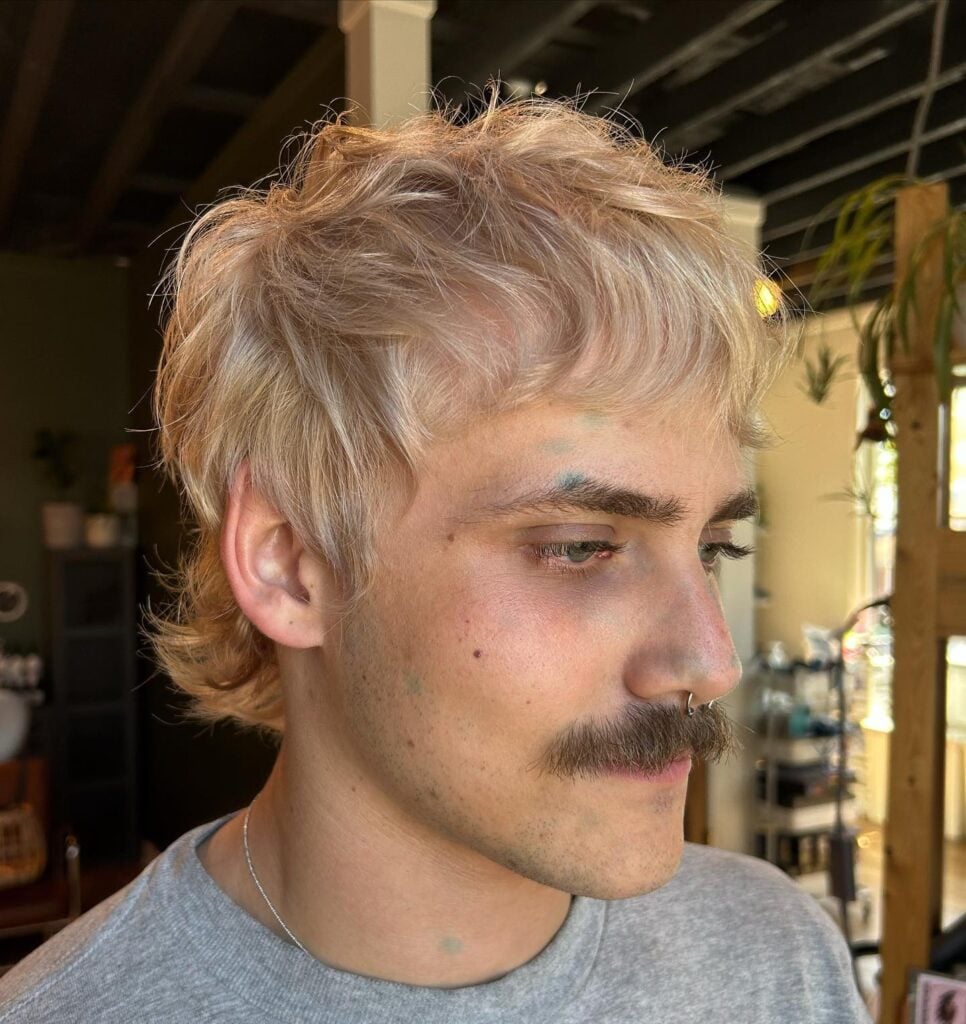
Philosophy: Balances mod precision with contemporary preferences for authentic, textured styling that appears effortlessly cool.
The Long Mod Revival
The long mod revival extends traditional mod proportions for enhanced styling versatility while maintaining the movement’s characteristic precision and geometric structure. This variation allows for more dramatic styling options while preserving the clean lines and structured shape that define authentic mod aesthetics.
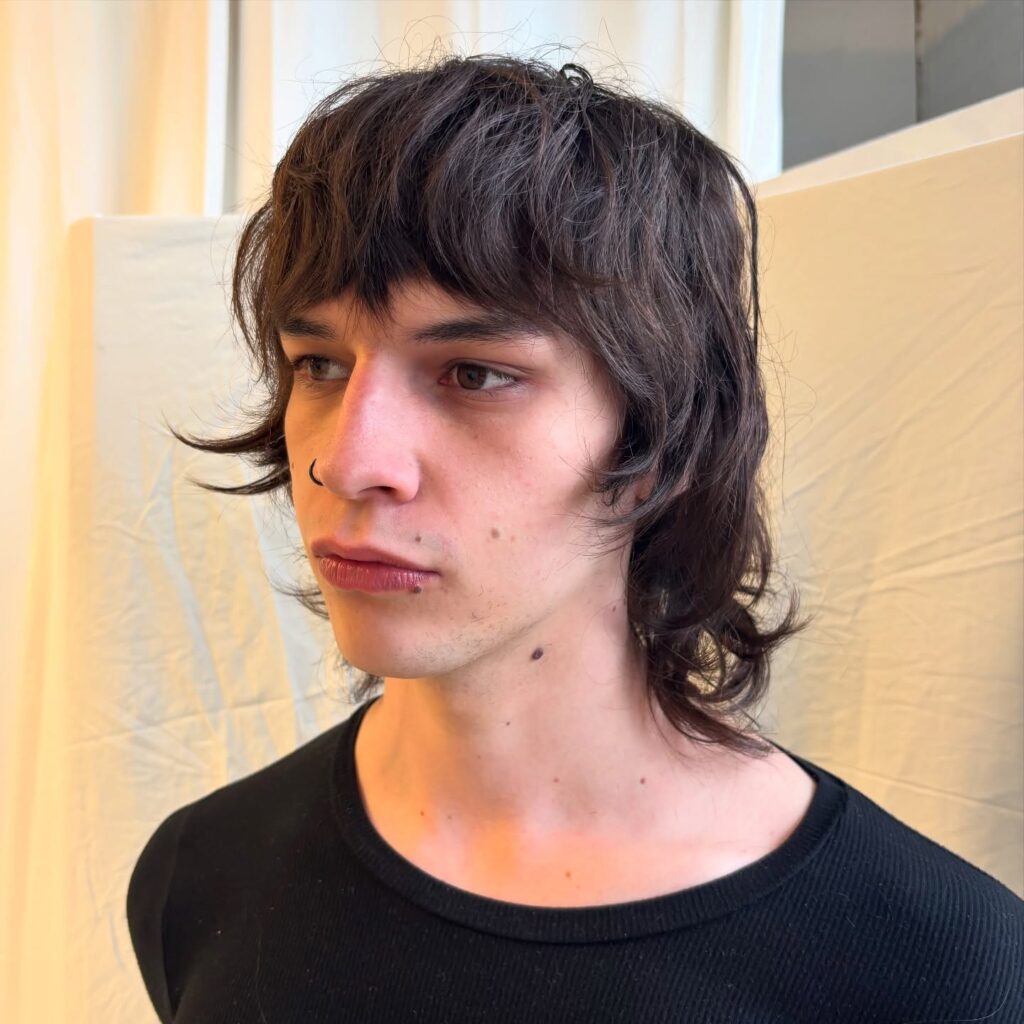
Inspiration: The classic mod cut with added length and texture, proving how extended proportions keep the style both fresh and culturally relevant.
The Cultural Legacy of Mod Style
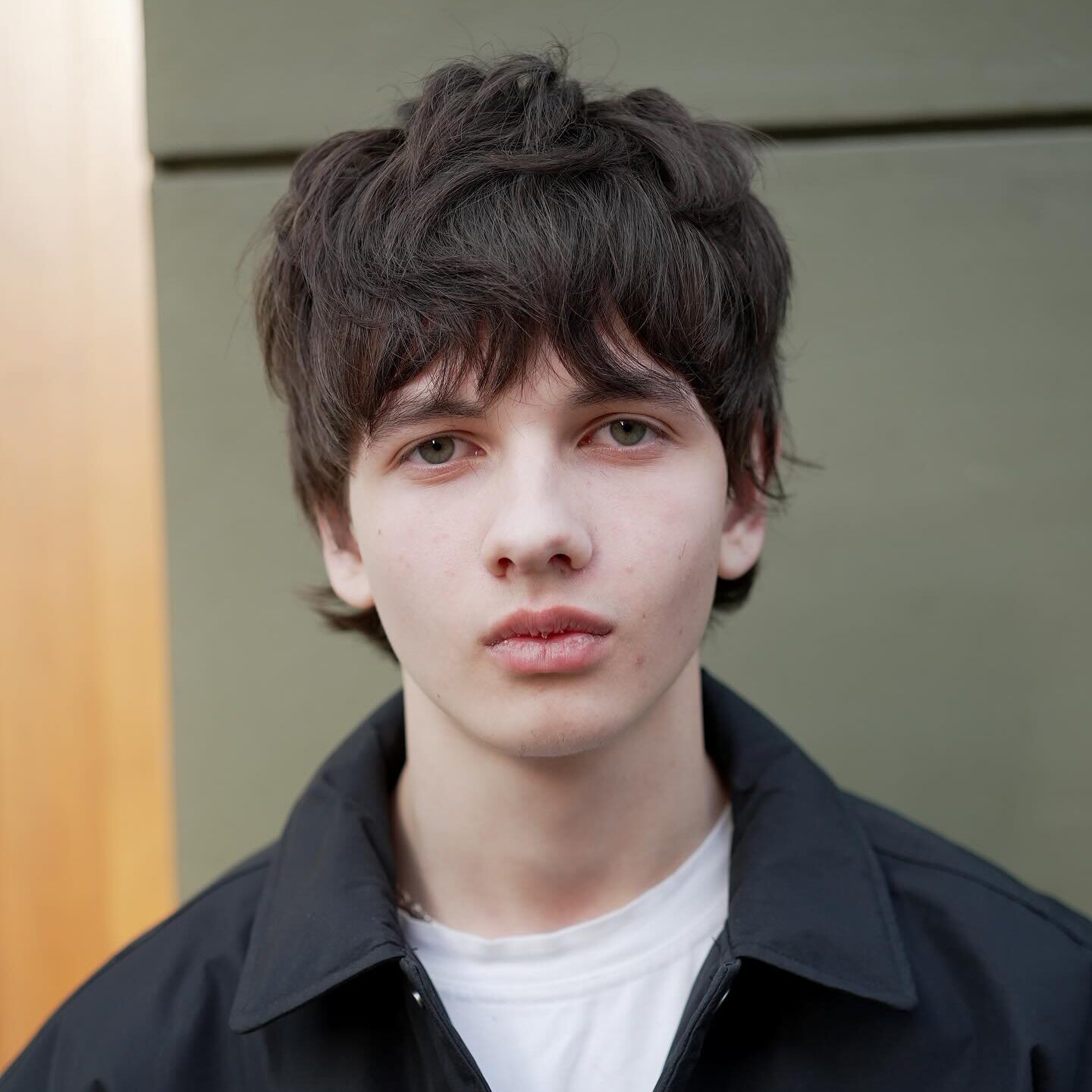
The mod haircut as one of the most influential men’s styles in modern history, representing not just a fashion choice but a complete cultural statement that bridged working-class rebellion with sophisticated European aesthetics, ensuring that mod principles continue to influence contemporary men’s grooming and barbering techniques across generations.
Styling and Maintenance
Daily Styling Routine
- Start with slightly damp hair for optimal control
- Apply lightweight styling product for hold without heaviness
- Use a fine-tooth comb for precise part definition and smooth finish
- Finish with subtle texture spray for natural movement
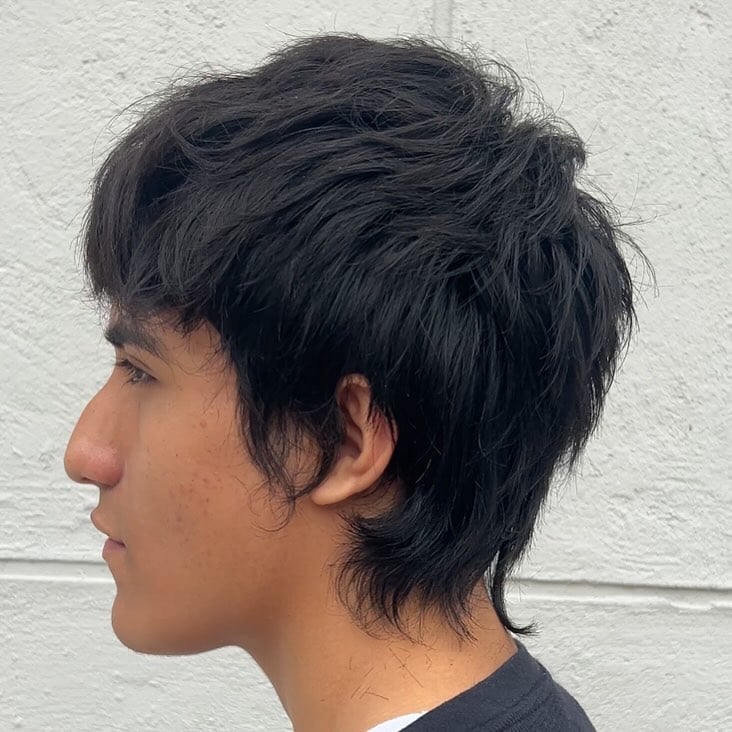
Product Recommendations
- Authentic Finish: Traditional pomade for period-correct styling
- Modern Appeal: Lightweight styling cream for contemporary flexibility
- Professional Hold: Medium-hold gel for business-appropriate structure
- Natural Texture: Matte styling paste for subtle definition
Maintenance Schedule
- Weekly: Precision trimming for optimal geometric shape
- Bi-weekly: Side length maintenance and cleanup
- Monthly: Complete reshape and length adjustment
- Daily: Proper washing, conditioning, and precise styling routine
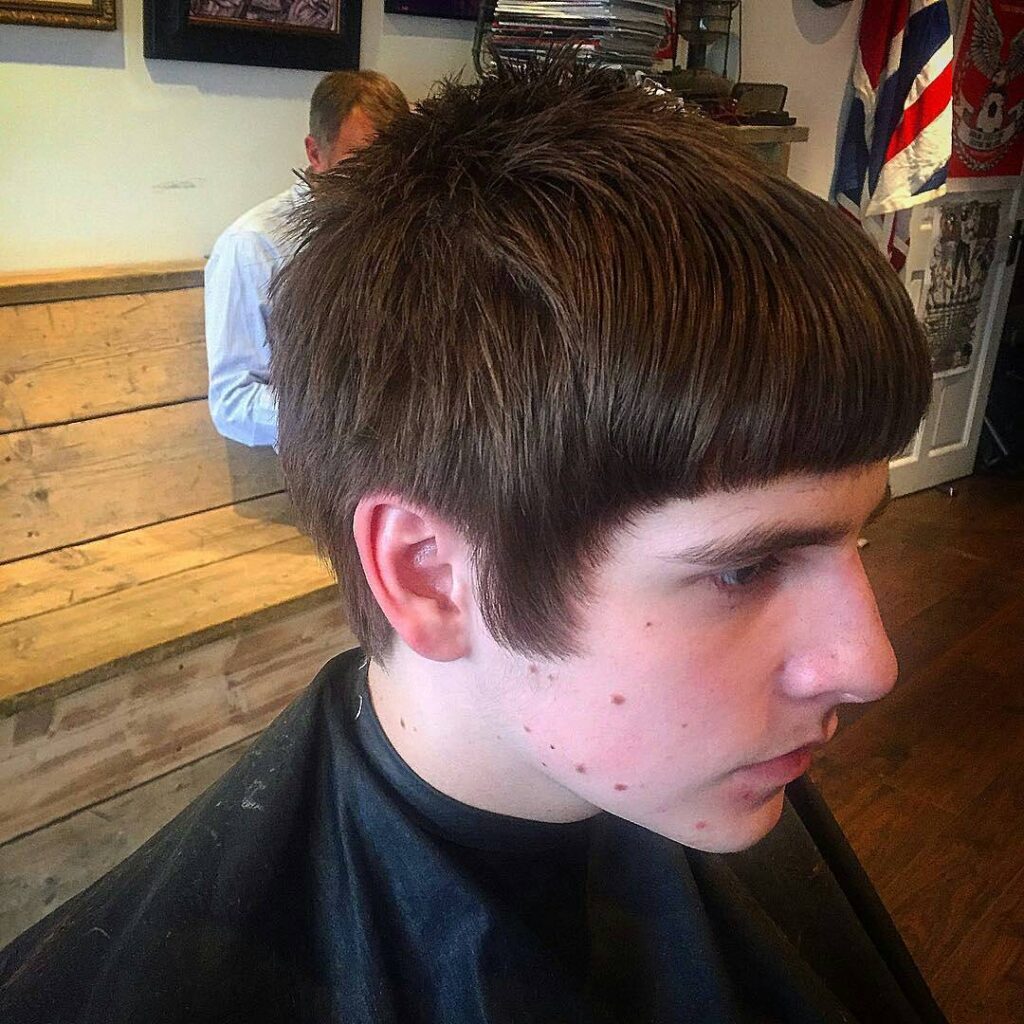
Cultural Appreciation and Evolution to the Shag Haircut
Understanding the mod haircut means appreciating its historical significance as more than just a hairstyle. It represents a complete cultural movement that valued precision, sophistication, and attention to detail. When choosing a mod cut, you’re connecting with a rich tradition of style-conscious men who used grooming as a form of cultural expression and personal identity.
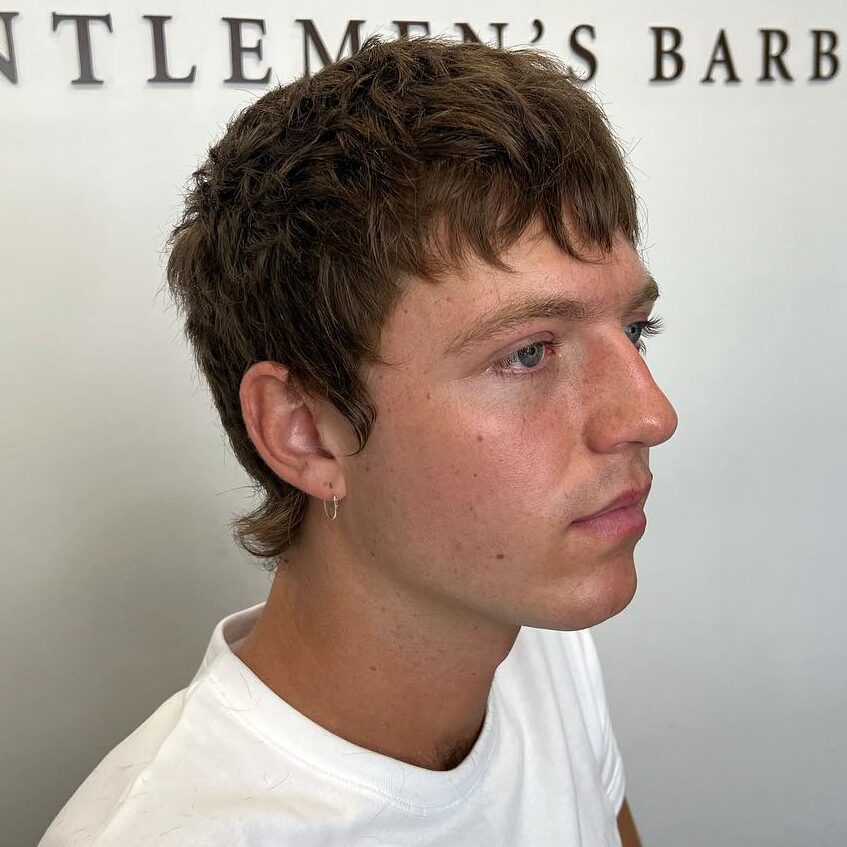
The mod haircut continues to represent the perfect intersection of historical significance and contemporary relevance, offering men a chance to embrace both cultural heritage and timeless sophistication while maintaining the precision and attention to detail that made the original mod movement so influential and enduring.
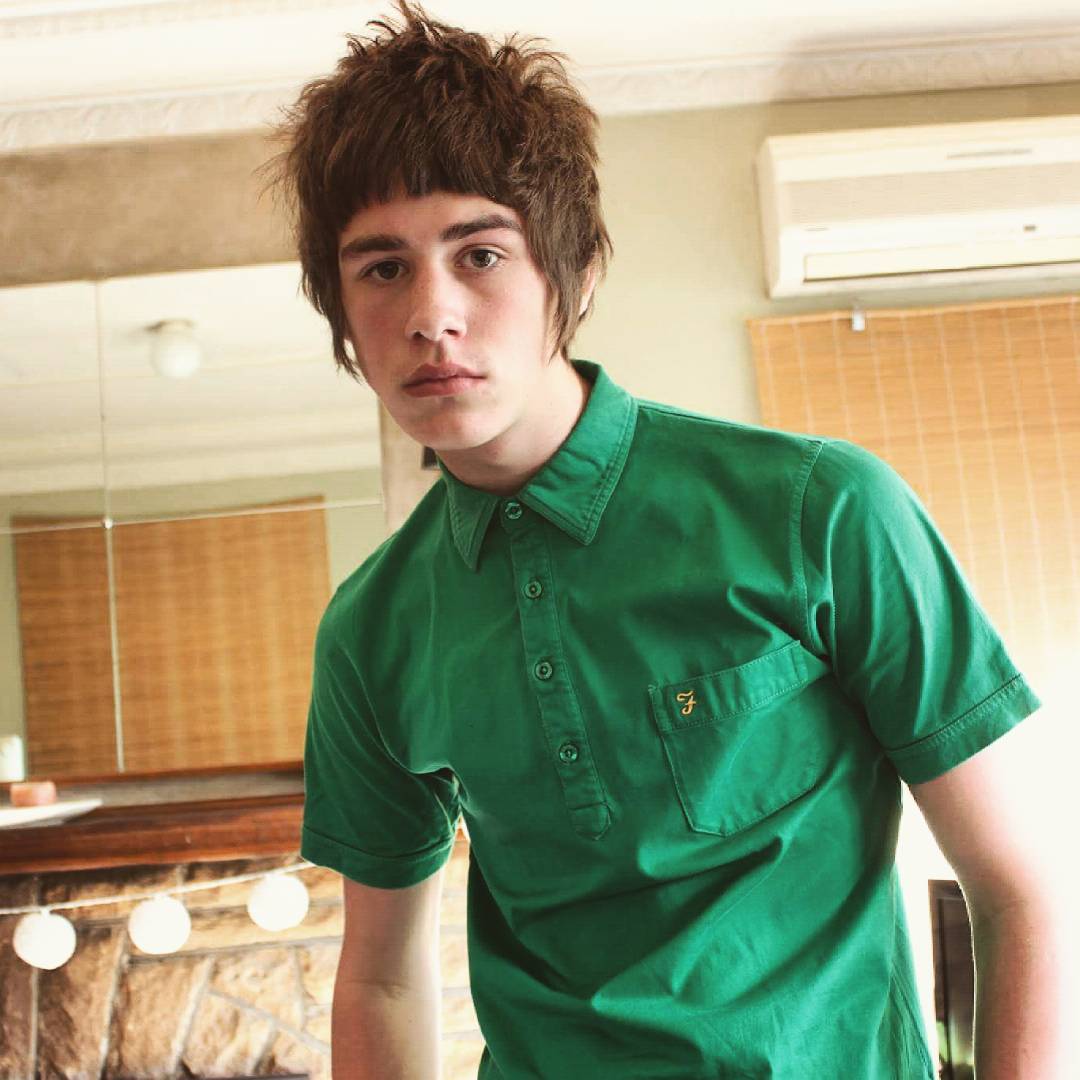
The Evolution Path: Mod Cut vs. Shag Cut
The shag can be seen as a natural rebellion against mod precision – while mods valued geometric structure and continental sophistication, the shag embraced chaos, texture, and deliberately undone styling. Both represented youth pushing against establishment norms, but through opposite approaches: mod through precision, shag through liberation.
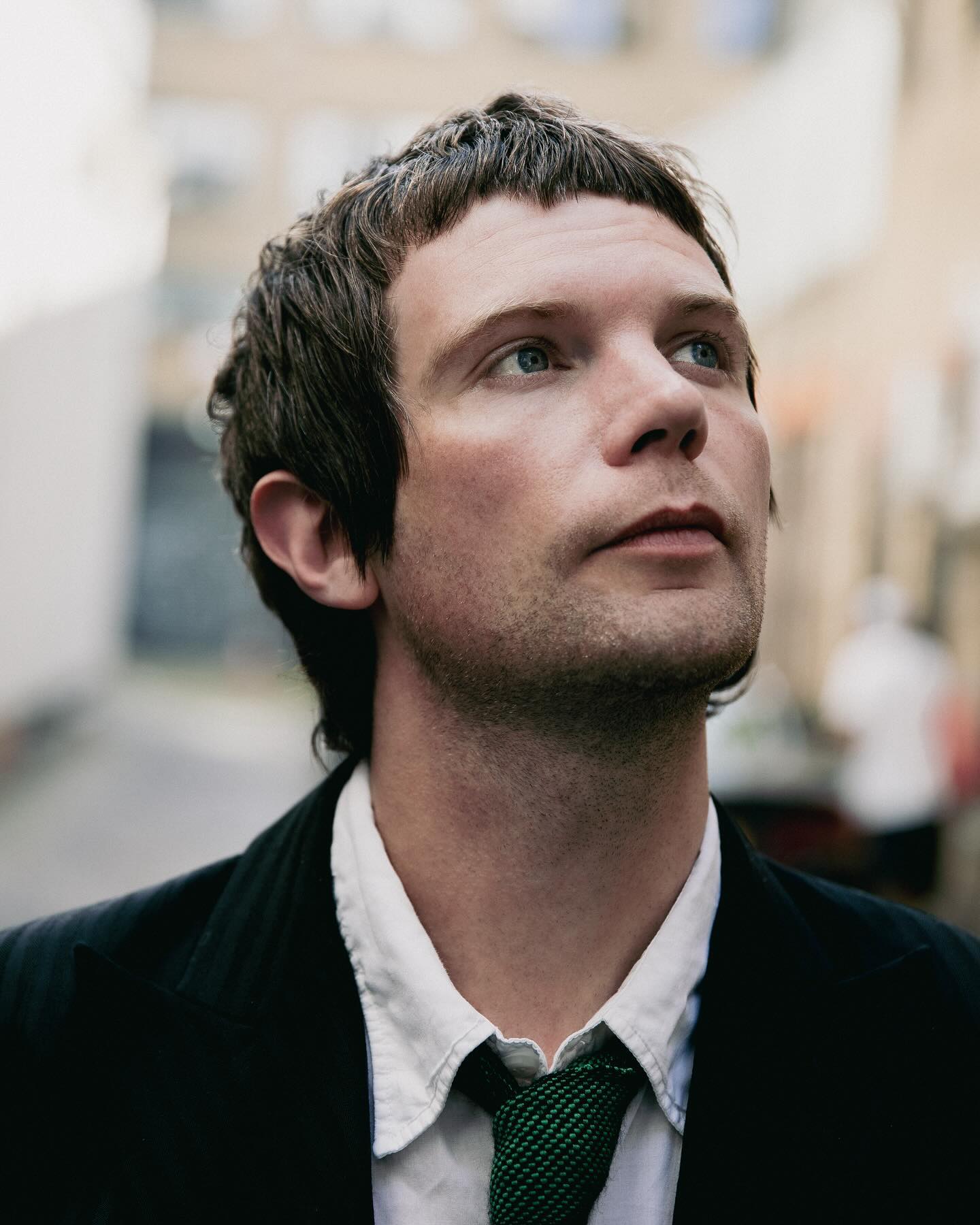
Both styles emerged from rebellious British youth culture and represented a departure from conservative grooming standards. The 1960s and 1970s challenged traditional aesthetics with the mod cut and the shag, hairstyles that embraced youth culture’s burgeoning desire for freedom and self-expression
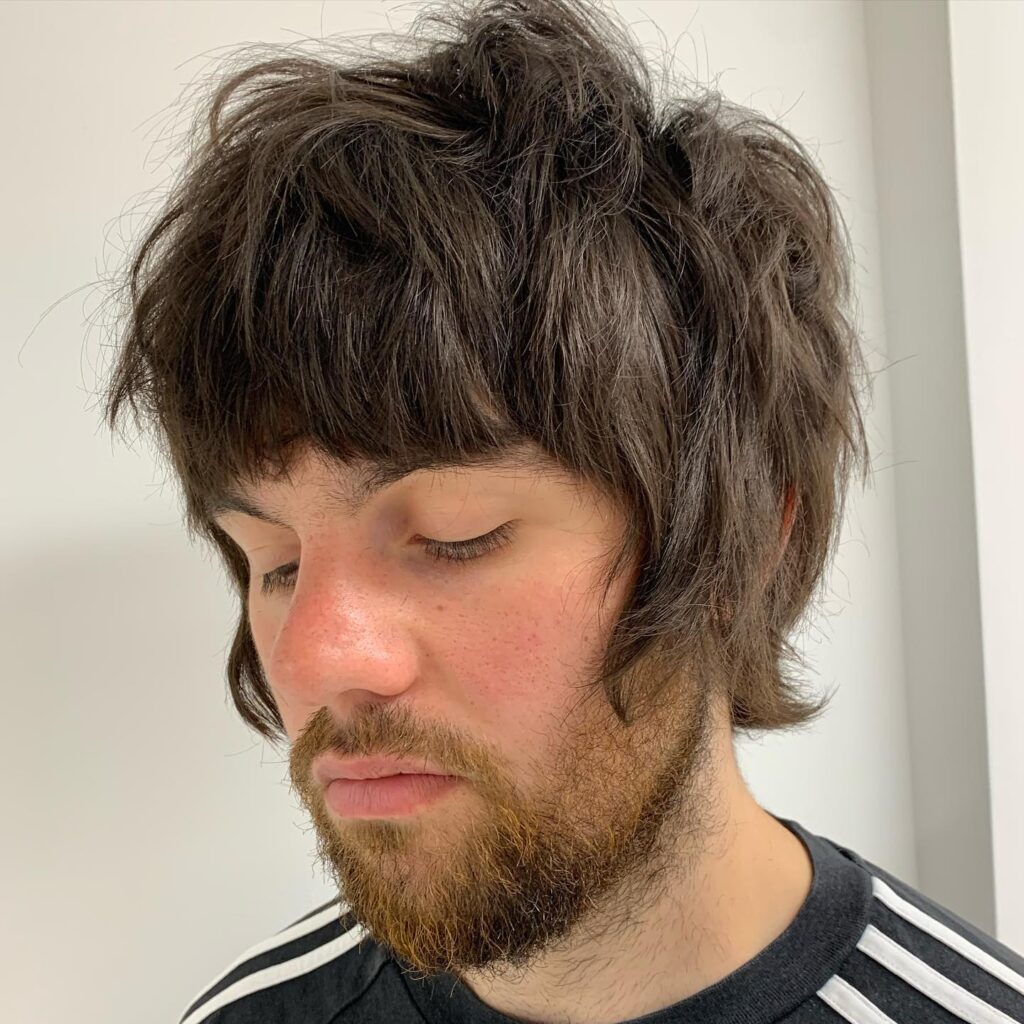
The Ageless Appeal of the Mod Cut
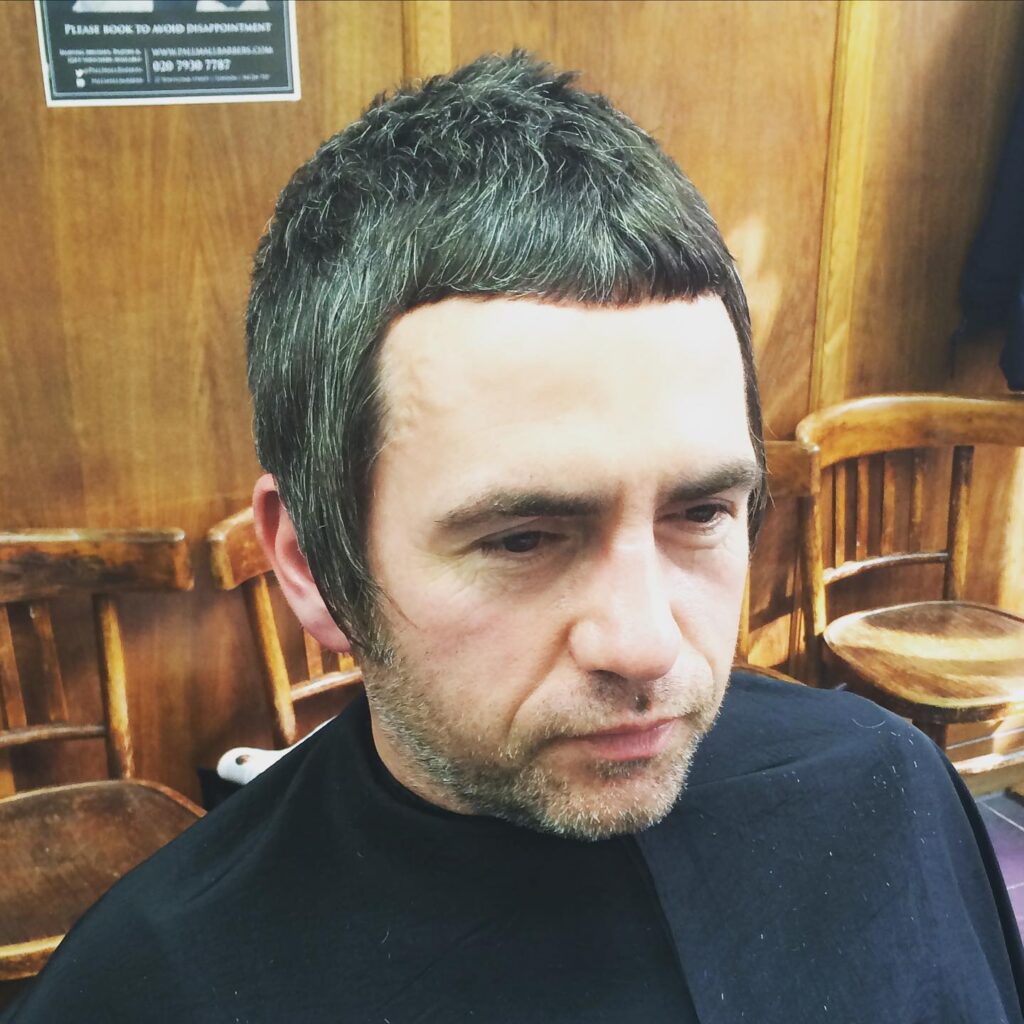
Unlike many youth-driven hairstyles that fade with age, the mod cut has an almost paradoxical quality: its sharp lines and geometric structure remain striking whether worn for guys at 17 or men over 50.
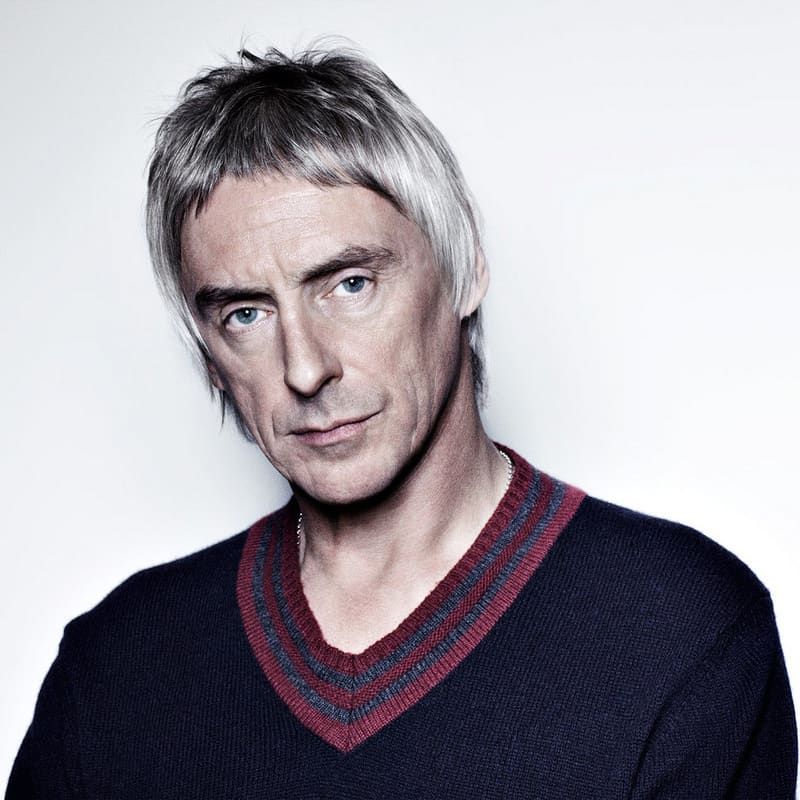
What once symbolized teenage rebellion can mature into a statement of individuality and refinement. Paul Weller embodies this continuity; his lifelong relationship with the mod cut proves that a style born from subculture can grow up without losing its bite.
—Edited by Fernando Lahoz-García, a seasoned journalist and art director passionate about men’s lifestyle and fashion history.
This article is intended as an editorial guide and highlights the creative work of modern barbers and hairstylists. If your work is featured and you’d like edits, updates, or credit adjustments — or if you’d like to be featured in future articles — please feel free to reach out.